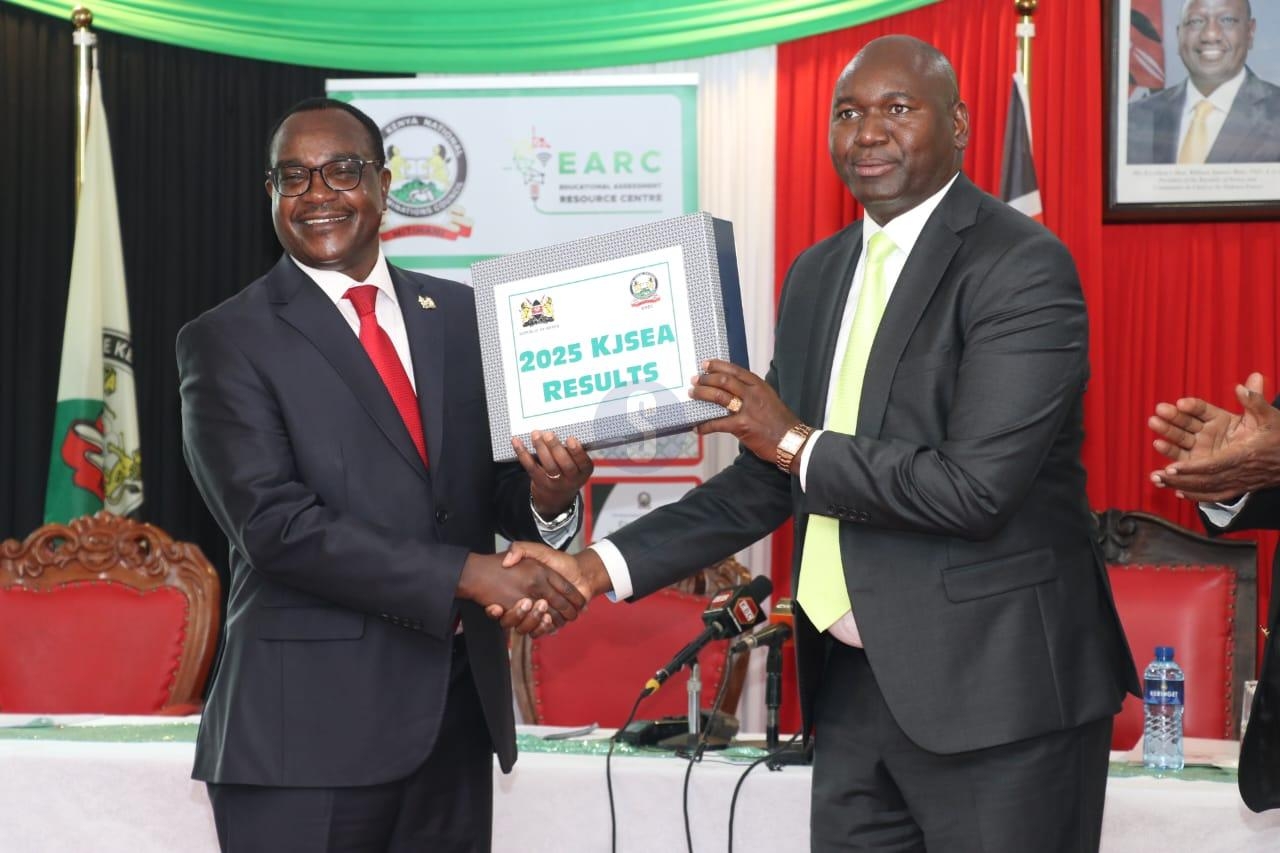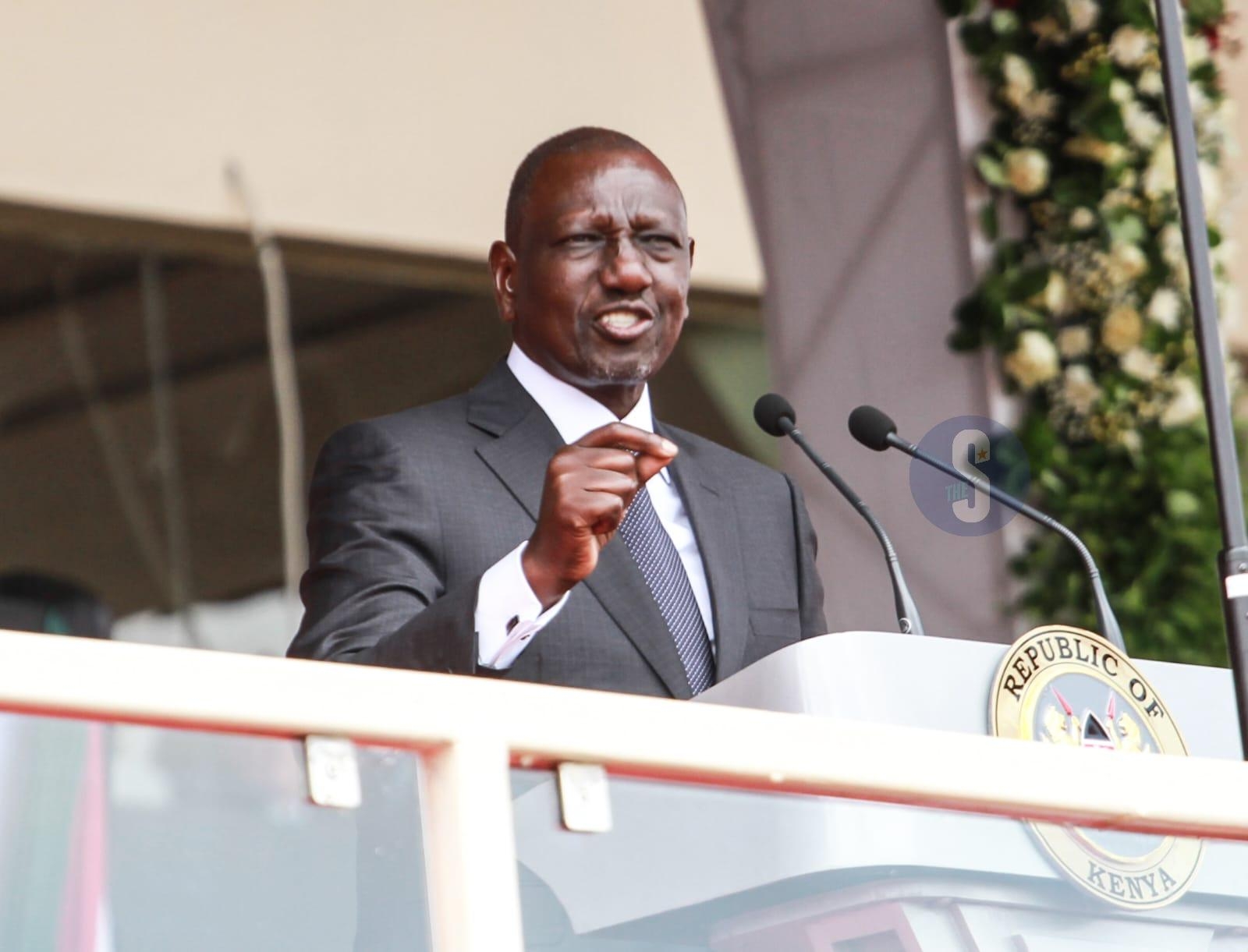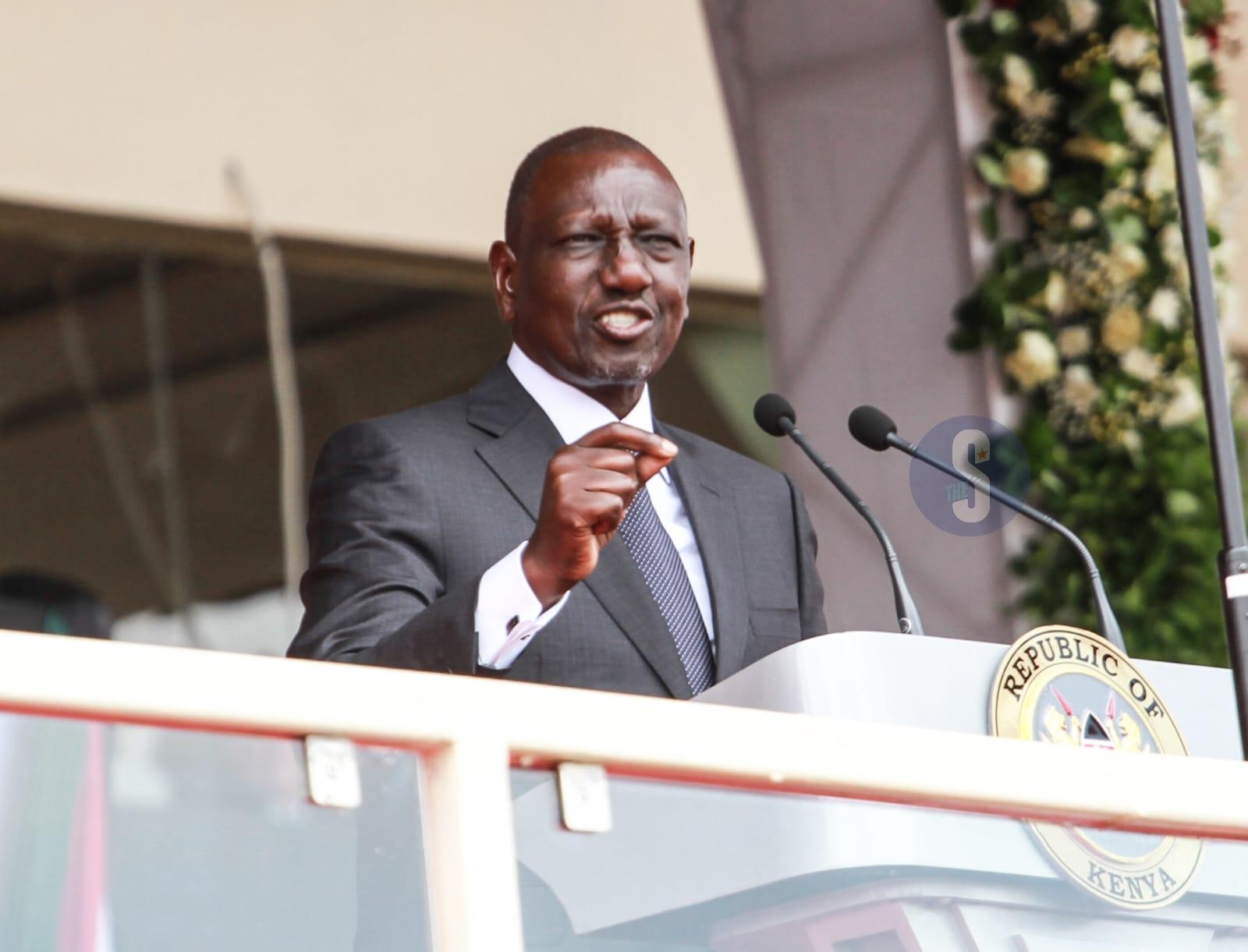


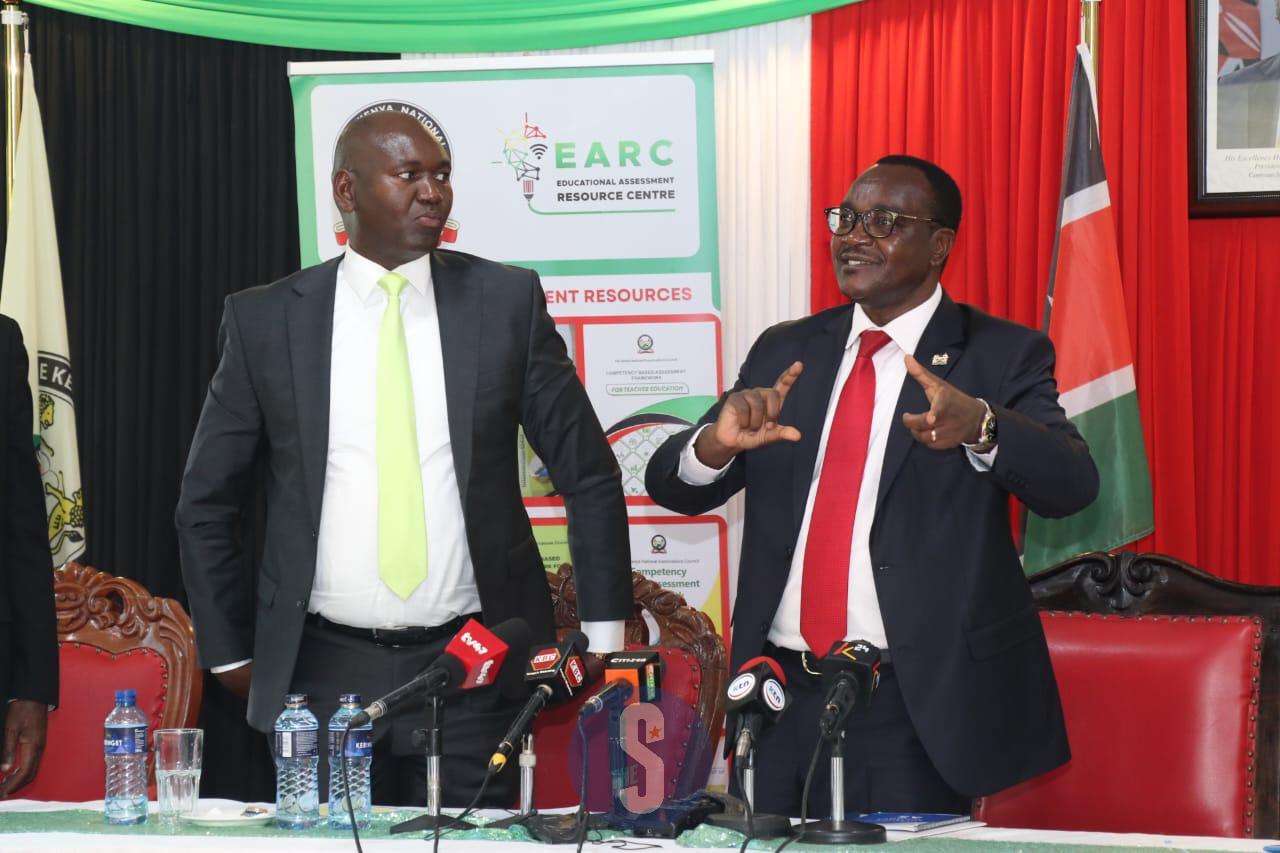
More than half of the 1,330,459 learners who sat for this year’s Kenya Junior Secondary Education Assessment (KJSEA) have demonstrated strong potential to pursue Science, Technology, Engineering and Mathematics (STEM) subjects.
According to Education Cabinet Secretary Julius Ogamba, this marks a shift in learner interests and national education trends.
From the latest results released on Thursday, 59 per cent of the candidates showed clear aptitude for STEM-related pathways.
“Of the 1,330,459 learners who sat for the exam, 59 per cent demonstrated potential to pursue the STEM pathway. Meanwhile, 42 per cent showed potential for the Social Sciences pathway, and 48 per cent for the Arts and Sports pathway,” Ogamba said.
The figures indicate that a growing number of young learners are leaning toward careers driven by innovation, technology, and scientific inquiry.
The STEM pathway has become increasingly important as Kenya continues to advance in areas such as digital innovation, manufacturing, and engineering.
With global demand for science and technology skills rising, the strong showing in this year’s results is expected to shape future investments in junior secondary learning facilities and teacher training.
Despite the high interest in STEM, the results also reveal that learners have diverse strengths across multiple fields.
About 42 per cent of the candidates demonstrated potential for the Social Sciences pathway, indicating continued interest in subjects such as history, geography, and civic studies.
These areas remain essential for careers that rely on community engagement, governance, and social development.
Another 48 per cent of students showed aptitude for the Arts and Sports pathway.
The numbers reflect a growing recognition of creative talent
and the expanding opportunities in Kenya’s arts, media, cultural industries,
and sporting sectors.
The CS further said that since the government began the rollout of the Competency-Based Curriculum (CBC), the system has been implemented progressively across the learning pathway: two years in pre-primary, six years in primary school, three years in junior school, and three years in senior school.
He said that CBC is a forward-looking educational framework crafted to ensure that learners acquire the skills, values, and attitudes needed to succeed in a dynamic 21st century environment.
“A key element of this framework is the Kenya Junior School Education Assessment (KJSEA), administered at the end of junior school. This assessment evaluates learners’ competencies and guides their transition into senior school," he said.
The KJSEA results are a key component of the Competency-Based Curriculum (CBC) transition, which focuses on identifying learners’ strengths early and guiding them toward suitable career pathways.
The evaluation assesses a wide range of competencies, allowing schools and parents to better understand each learner’s abilities.