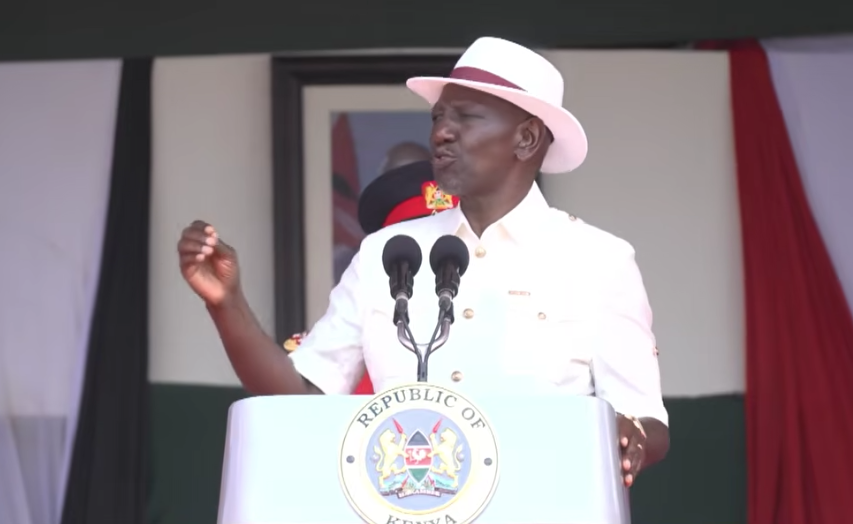

President William Ruto on Thursday conferred the rank of Senior Counsel (SC) on a cohort of 54 distinguished advocates of the High Court of Kenya, marking one of the largest single investitures in recent years.
The ceremony, held at State House, followed the publication of the names in a special issue of the Kenya Gazette dated December 10, 2025.
The conferment was executed under the Advocates Act (Cap. 16), which sets out the criteria, process, and significance of the Senior Counsel title.
The President, exercising powers granted under Section 17(1) of the Act, signed the Investiture Order that officially recognises the recipients as belonging to the small, prestigious circle of advocates whose excellence, leadership, and fidelity to the law have been deemed worthy of national honour.
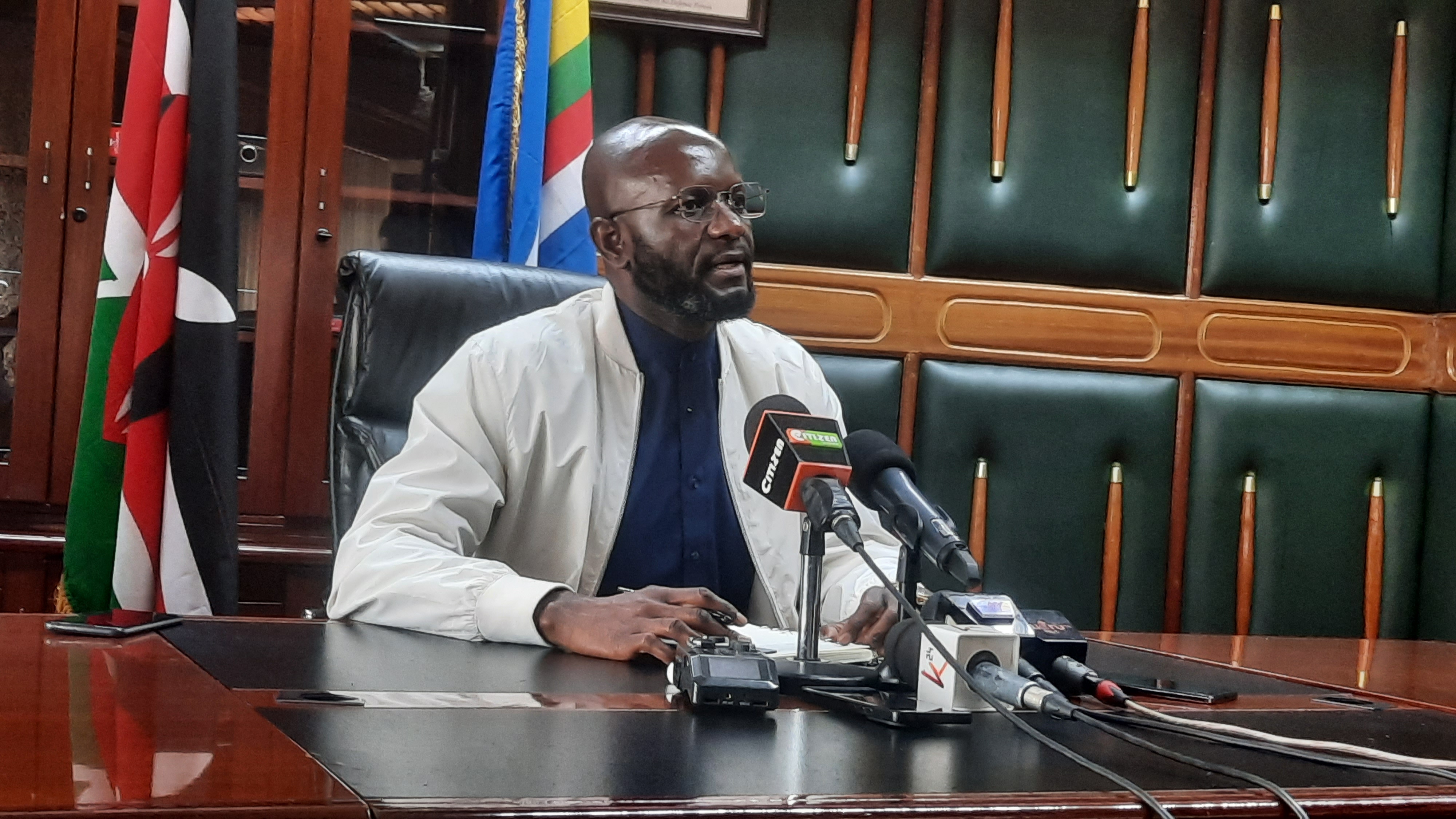
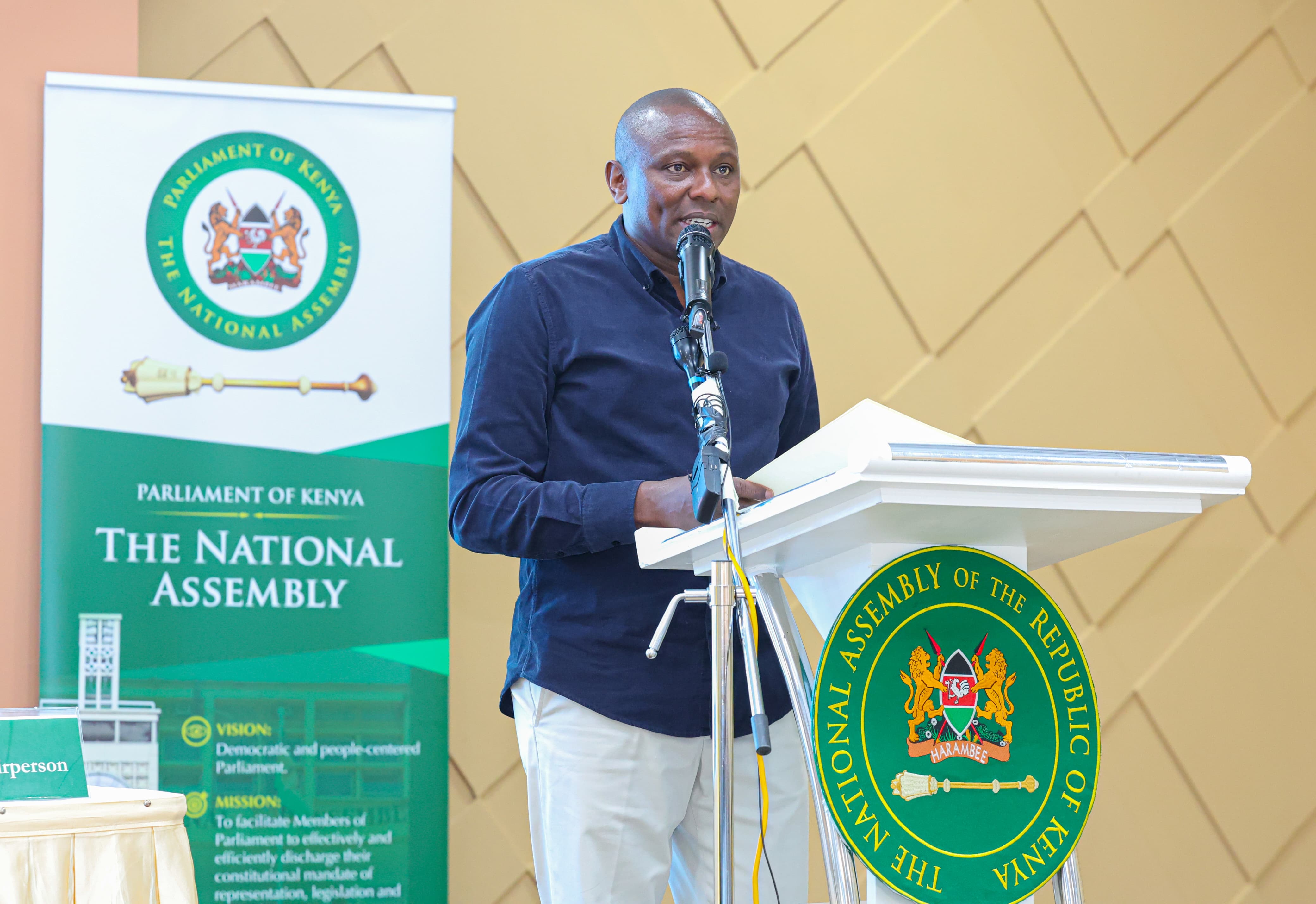
Among the newly minted Senior Counsel are several high-profile figures, including National Assembly Speaker Moses Wetang’ula, maritime law expert Nancy Wakarima Karigithu, legal scholar PLO Lumumba, National Intelligence Service Director General Noordin Haji, and former ODPP and IEBC senior official Prakades Chepkoech Tororey, among others.
Their conferment formally elevates the legal minds to the apex of professional honour.
“This is not only a badge of honour but also a solemn recognition of merit, responsibility and trust,” Ruto said.
Their ascension, he said, is an affirmation of the confidence that the nation places in them to be guardians of integrity, champions of justice and stewards of ethical leadership.
So, what does it actually take to qualify for this rare distinction, and why does the title matter so profoundly within Kenya’s legal tradition?
Senior Counsel is the most esteemed designation in Kenya’s legal profession, equivalent to the Queen’s Counsel or King’s Counsel in the Commonwealth tradition.
It is not merely a title of status but a recognition of advocates who have demonstrated exceptional competence, integrity, and contribution to the development of the law.
To qualify, an advocate must satisfy stringent criteria that go far beyond years of experience.
The Advocates Act and the Senior Counsel Conferment and Privilege Rules, 2011, require that applicants demonstrate a minimum of 15 years of practice as an advocate of the High Court.
Yet longevity alone is insufficient; the emphasis is on the quality of legal service rendered.
Applicants must show evidence of a distinguished career marked by high-impact litigation, participation in precedent-setting cases, or thought leadership through academic writing, legislative contributions, or public legal education.
These contributions collectively show that the advocate has helped shape Kenyan jurisprudence in a meaningful way.
A commitment to integrity and ethical conduct
One of the clearest filters in the process is ethical standing.
The rank is reserved for those with impeccable professional records, advocates whose careers have been free of serious disciplinary complaints and who have consistently demonstrated honesty, honour, and respect for the rule of law.
The Committee on Senior Counsel, which vets the applications, treats integrity as a non-negotiable threshold.
The Committee is chaired by the Chief Justice and includes the Attorney General, the LSK President and five other eminent members of the legal profession.
An advocate may be brilliant and accomplished, but any significant ethical stain can bar them from consideration.
Public service and leadership in the profession
The title also recognises individuals who have gone beyond personal success to contribute to the broader legal community.
This includes mentorship of young advocates, leadership within institutions such as the Law Society of Kenya, or sustained engagement in public interest matters.
Senior Counsel are expected to embody service.
Many who have earned the rank have offered pro bono representation, championed justice sector reforms, or lent their expertise to national conversations on constitutionalism, governance, or human rights.
Their influence, therefore, spans both courtroom and community.
Speaking during the ceremony, Chief Justice Martha Koome reminded newly inducted Senior Counsel that this honour is a calling to leadership within the profession.
Koome told them that the younger generation of lawyers looks to you not only for excellence in legal craftsmanship but also for ethical guidance.
“Your choices and professional culture will shape the future of the Bar. As custodians of our profession’s conscience, you bear the responsibility to lead conversations on ethical renewal and to model the virtues that sustain law as a noble calling,” she said.
A rigorous, multi-stage vetting process
The journey to Senior Counsel status is neither informal nor automatic.
The process typically unfolds in several phases:
- Application submission - Advocates apply to the Committee on Senior Counsel, providing detailed documentation of their experience, cases handled, publications, awards, and contributions to the profession.
- Initial screening - The committee scrutinises each application against statutory criteria, including professional conduct records.
- Public participation - Names of applicants are published to allow objections from peers or the public.
- This transparency ensures that the conferment is not just an internal professional decision but also a public trust matter.
- Vetting and interviews-Shortlisted candidates undergo interviews to assess the depth of legal knowledge, professional philosophy, and personal integrity.
- Presidential confirmation - Once the committee forwards its final list, the President issues the Investiture Order under Section 17(1) of the Advocates Act, after which the names are gazetted.
Today’s ceremony was the culmination of this intensive scrutiny.
What the title means for new members
For the 54 advocates honoured today, the title Senior Counsel comes with new expectations.
They are now looked upon as custodians of the highest ideals of the legal profession.
Their voices carry greater weight in legal debates, judicial reforms, and public discourse on justice and governance.
President Ruto told the new members that the honour comes with a greater responsibility.
“You are called to help safeguard democracy, strengthen our institutions of justice, support necessary reforms and help widen the door of access to justice,” Ruto said.
They also serve as mentors and role models for younger advocates, helping shape the future of Kenya’s legal system.
“I challenge the Senior Bar to mentor, to uphold integrity, and to ensure that our profession remains a guardian of justice, not merely a marketplace of legal transactions,” Koome said.
Above all, the rank of Senior Counsel symbolises a lifelong commitment to upholding justice, advancing the law, and serving the nation with distinction.