


Diplomats, ministers, and environmental experts convened at
an event hosted by the Permanent Mission of China to the UN Environment
Programme (UNEP) in Nairobi, and made a powerful call for collective global
action to tackle climate change.
They united under the theme: “Improving global environmental
governance to jointly build a clean and beautiful world.”
The dialogue emphasised that fragmented efforts are
insufficient to tackle the interconnected crises of climate change,
biodiversity loss, and pollution.
The consensus was that “only through unified, just, and
implementable cooperation can the planet be steered toward a sustainable
future”.
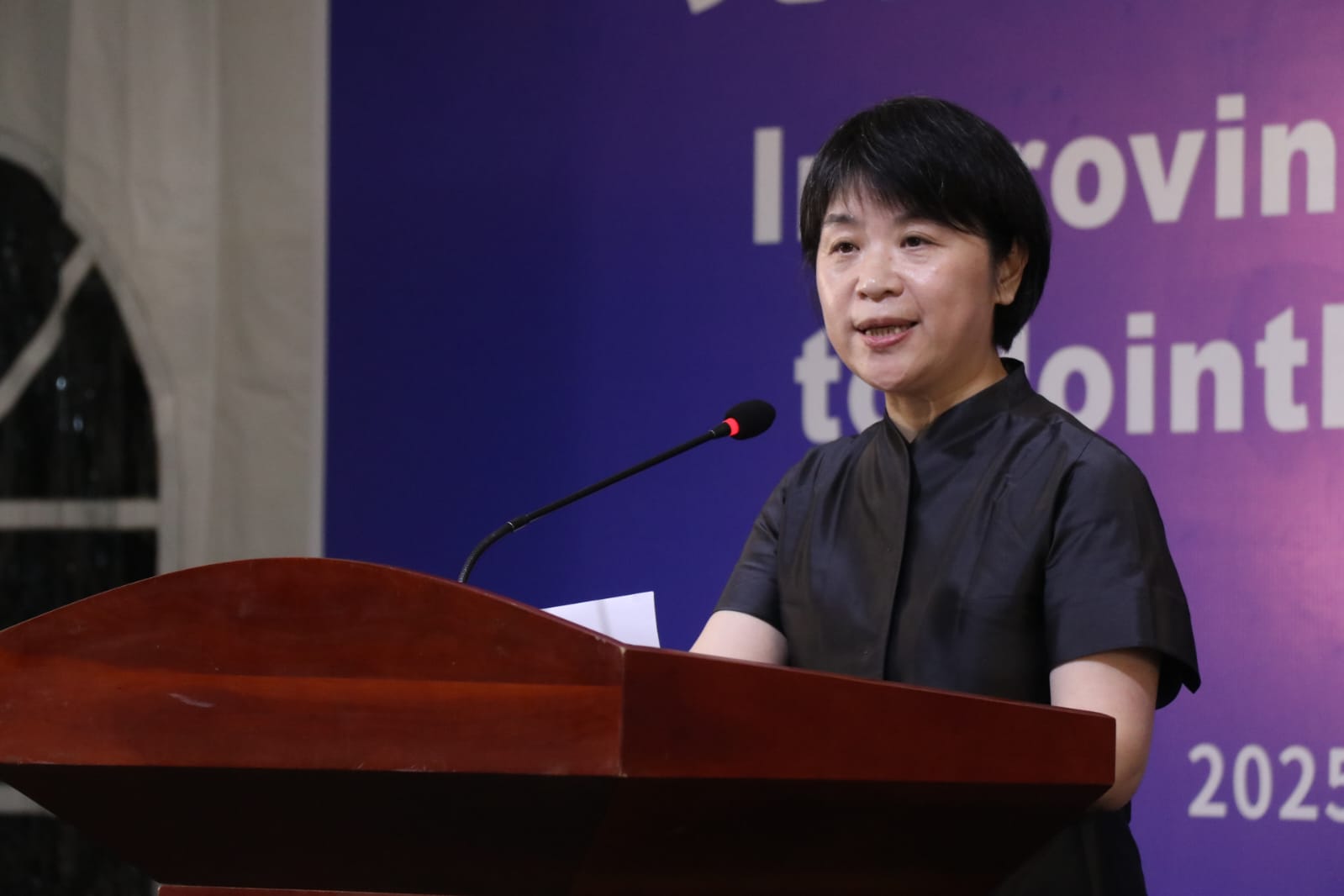
Guo Fang, Vice Minister of China’s Ministry of Ecology and Environment, set the tone by framing the climate challenge as a pivotal issue for all humanity.
“The world is undergoing profound changes… Joint action is our only viable choice,” she stated.
Highlighting China’s domestic trajectory, Vice Minister Guo detailed a national ecological civilization strategy where development and environmental protection go hand in hand.
She reported that the average concentration of PM2.5 particles in China has fallen by 56 per cent alongside significant increases in forest coverage.
“China has built the world’s largest and fastest-growing renewable energy system,” she noted, presenting it as proof that economic growth and carbon reduction can advance hand-in-hand.
On the global stage, Guo underscored China’s commitment to enhancing its Nationally Determined Contributions (NDCs), playing a key role in global biodiversity frameworks, and deepening South-South cooperation through initiatives like the Green Belt and Road.
“China will continue to implement the Global Governance Initiative to build a more just and equitable global environmental governance system,” she affirmed.
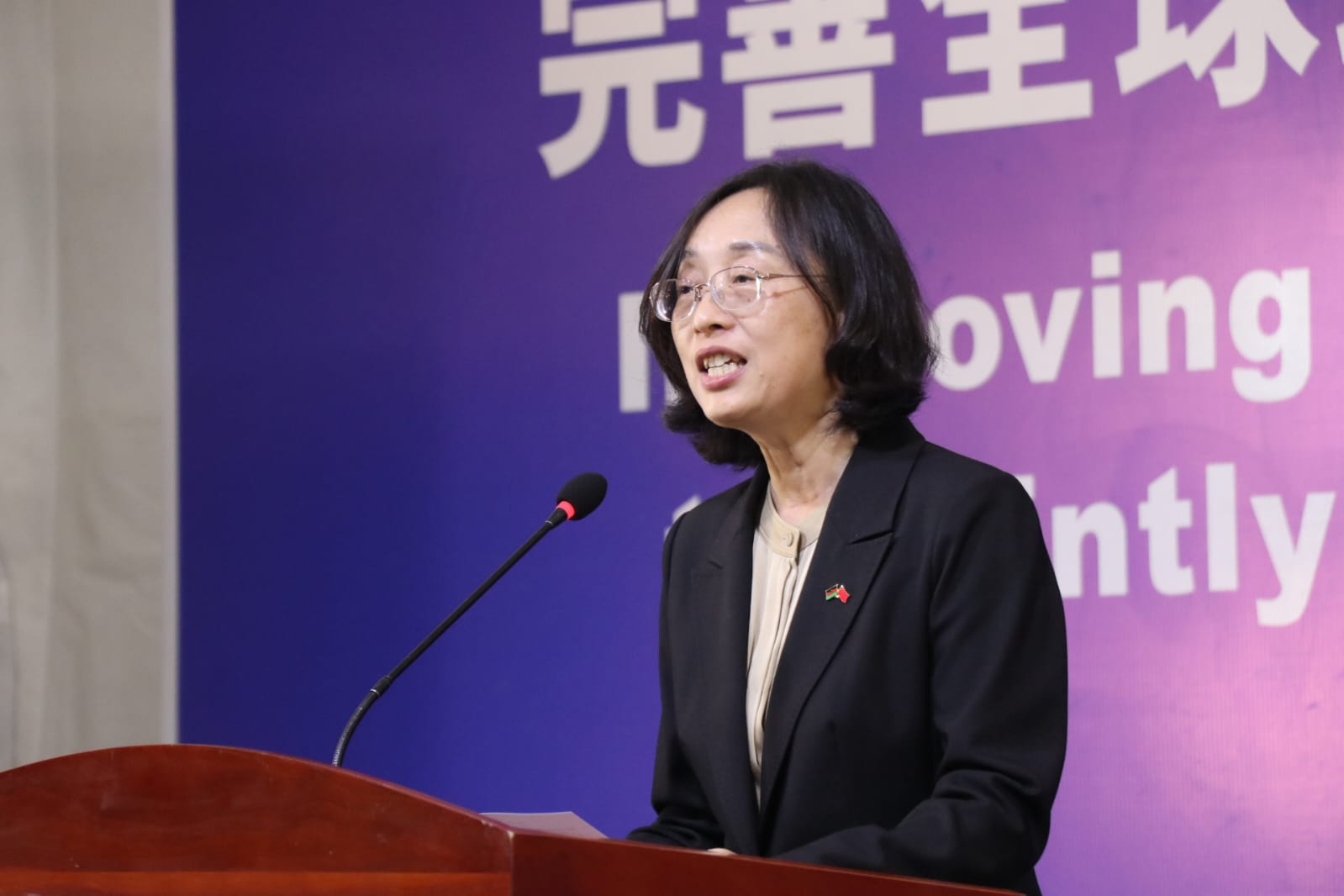
Chinese Ambassador to Kenya, Guo Haiyan, while echoing the
call for systemic reform, elaborated on President Xi Jinping’s Global
Governance Initiative (GGI).
She described it as a blueprint for a system founded on
broad participation, fairness, order, and a people-centred approach.
“A shared recognition and a just global governance system is
essential,” Ambassador Guo stated, adding that the GGI has garnered
international support, including from the UN, for its potential to improve
multilateral cooperation.
The imperative for immediate and cohesive action was
passionately championed by Kenya’s Climate Change Envoy, Mohamed Ali.
“We need all hands on deck,” he declared. “There are many
agreements and treaties that have been signed, and conferences held. It is time to
act.”
He called for an end to the fragmentation in environmental
governance, stressing that climate issues are linked to trade, security, and
financial systems, requiring support from all sectors.
The event also featured a compelling grassroots perspective
from Concilia Owire, Kenya’s first female train driver.
She presented the Africa Star Railway Operation Company, a Belt and
Road project, as a practical example of sustainable development.
She highlighted the project’s environmental design,
including wildlife overpasses and bridges, and its role in reducing carbon
emissions by taking trucks off the road.
“The Africa Star Railway Operation Company is a perfect example of how development can
interact with nature without interference,” Owire said.
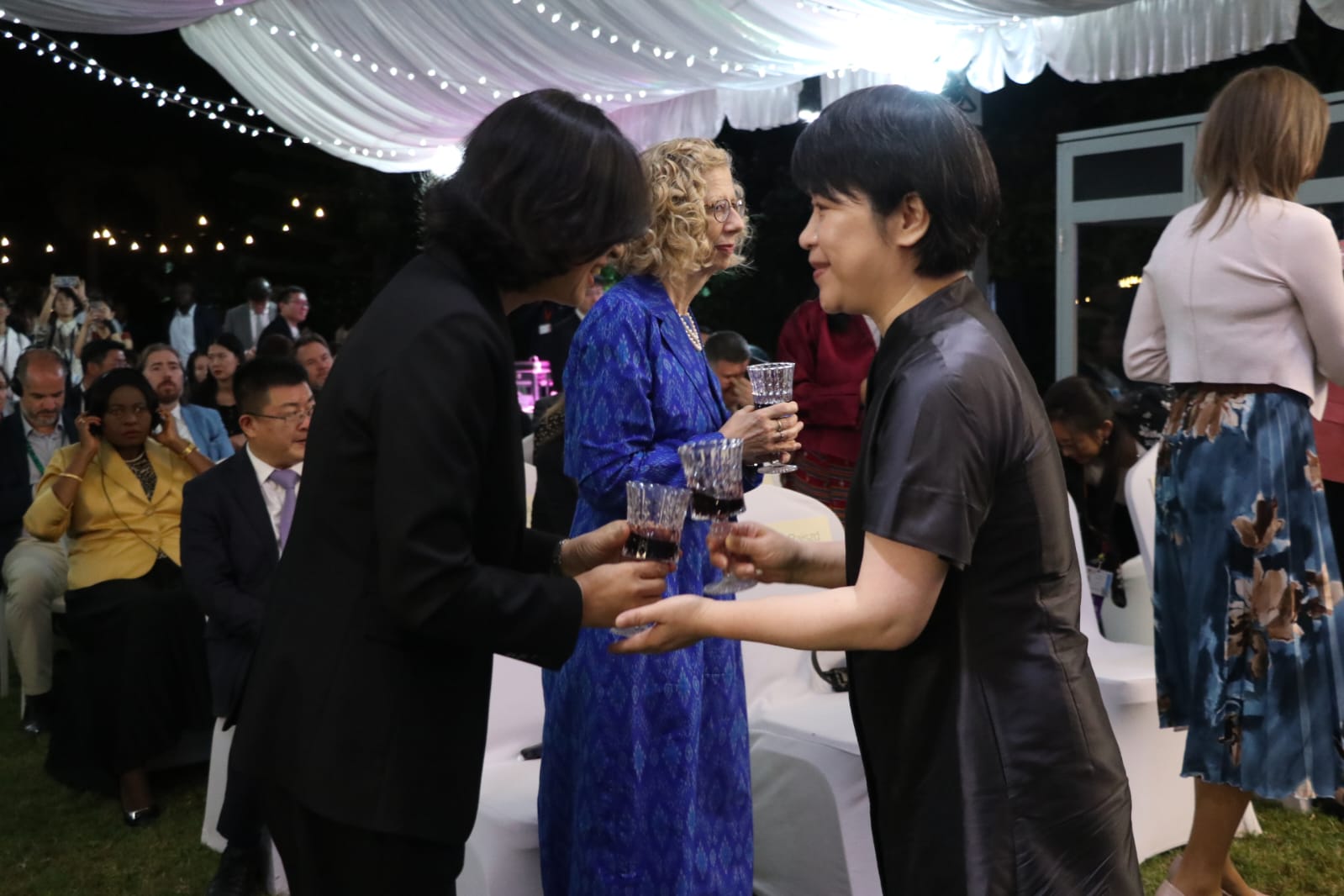
The call for solidarity was reinforced by a roster of international speakers.
Special remarks were delivered by Dechen Tsering, Director of UNEP’s Regional Office for Asia and the Pacific; Dr Anikó Raisz, Minister for the Environment of Hungary; Barbara Pompili, Ambassador for the Environment of France; and Adalberto Maluf, Brazil’s National Secretary for the Minister of Environment and Climate Change.
The gathering also included the release of a think-tank
report by China’s Policy Research Centre for Environment and Economy (PRCEE),
adding a scholarly take to the policy discussions.
The Nairobi event was more than just a diplomatic rhetoric,
forging a shared understanding of the urgency at hand to tackle climate change
effects jointly.
The message was that nations work towards building a clean
and beautiful world as a shared responsibility.
It demanded unwavering commitment, innovative cooperation,
and, above all, a spirit of “all hands on deck.”
As Vice Minister Guo concluded, “We should work hand in
hand… We hope leaders will work to protect our planet, our shared home.”