


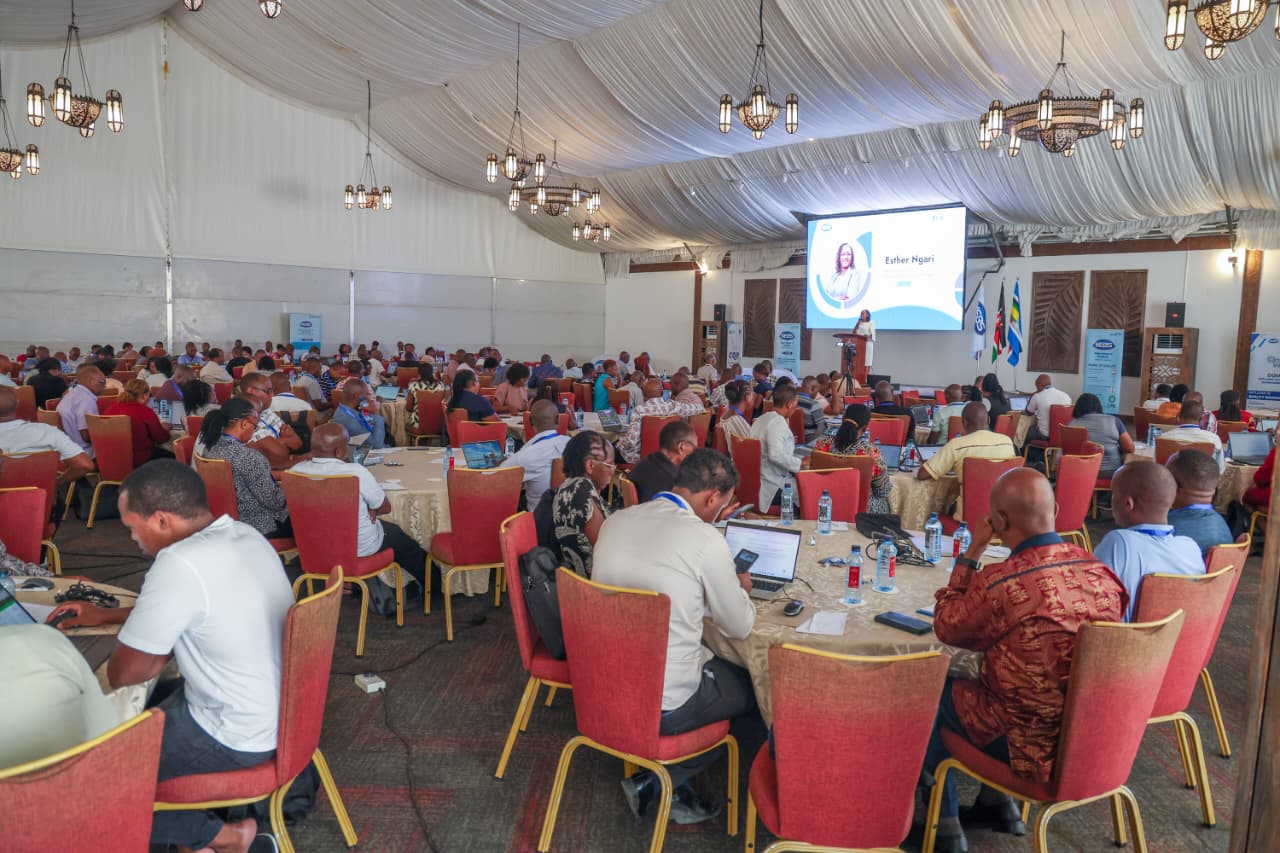
Kenya Bureau of Standards (Kebs) Managing Director Esther Ngari has urged Kenyan institutions to move beyond compliance-driven approaches and instead embrace integrated systems and transformative auditing as key drivers of national competitiveness.
Ngari emphasised that modern organisational excellence cannot be achieved through isolated processes or checkbox certifications.
“Excellence today is no longer about compliance alone. It is the outcome of interconnected systems, quality, governance, environmental, safety, risk, and information security, working in harmony,” she said.
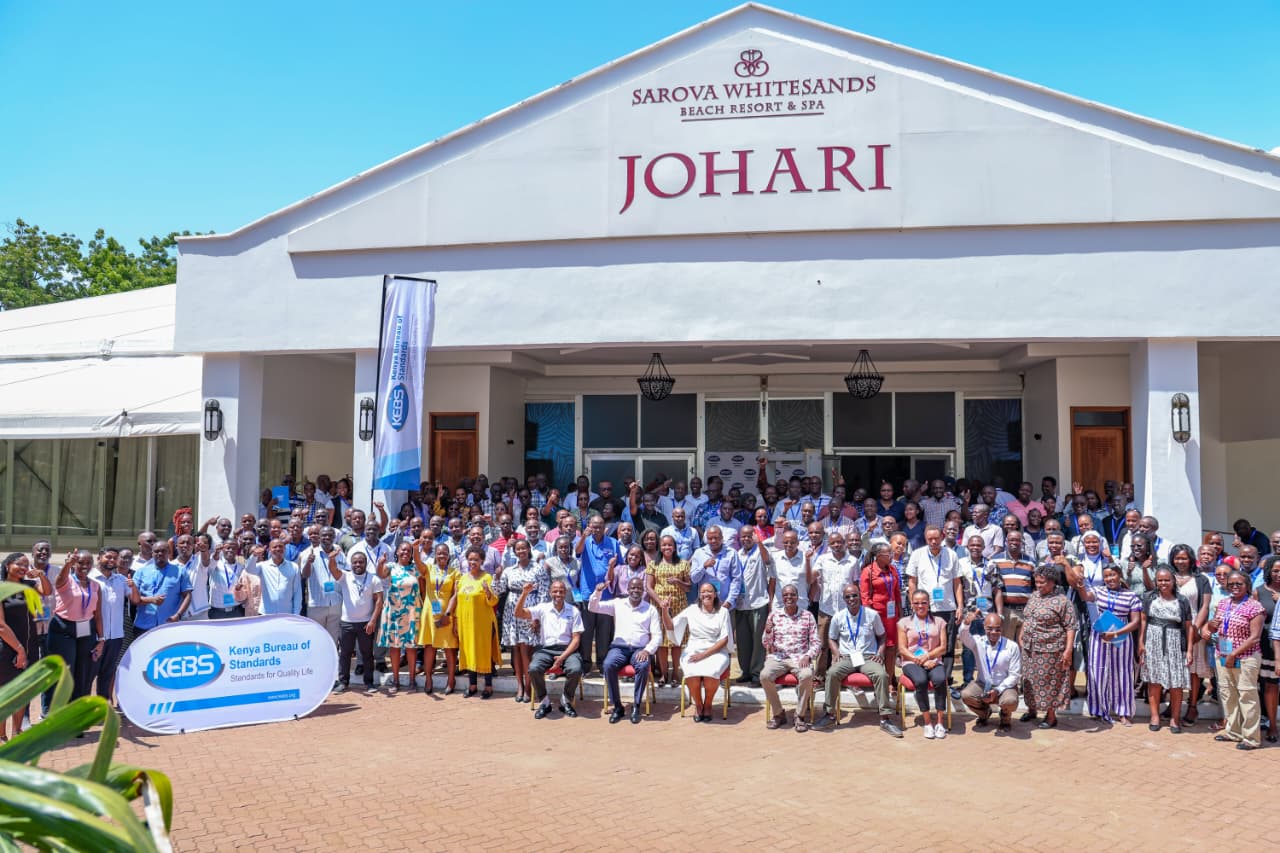
Ngari made the remarks on Tuesday when she opened the 6th annual management representatives and auditors conference in Mombasa.
The conference is attended by CEOs, management representatives, auditors, facilitators, and partners.
Ngari highlighted the evolution of the conference over the years.
While earlier editions focused on establishing and nurturing a quality culture, this year’s theme, “Synergy in Systems: Coordinating for Excellence, Auditing for Impact,” challenges institutions to integrate and align all operational systems for maximum effectiveness.
“Each institution must move beyond compliance-driven thinking. Audits should no longer be seen as a formality but as tools that create insight, drive improvement, and enhance strategic value,” Ngari said.
She encouraged participants to view auditing as a mechanism for measuring real impact on efficiency, customer trust, environmental stewardship, and national competitiveness.
Ngari also underscored the role of leadership in driving systemic excellence.
She cited Kabarak University as an example of an institution where leadership embraces standards as strategic levers rather than administrative obligations.
The university’s achievements in 2025, including the East African Regional Quality Award and the Kenya Quality Award, demonstrate how strong leadership, coupled with integrated systems, can deliver tangible results.
“This is a reminder that standards are most effective when they are championed from the top. Leadership, synergy, and purposeful auditing together produce sustainable excellence,” she said.
According to Ngari, impactful audits do more than verify conformity; they illuminate systemic risks, strengthen cross-functional collaboration, and support organisational learning.
“Audits should be catalysts for insight, improvement, and strategic decision-making, not just checklists,” she stressed.
KEBS continues to build capacity through the National Quality Institute, training auditors, management representatives, and managers to implement audits that measure real organisational impact.
Ngari reminded participants that Kenya’s long-term competitiveness depends on quality-driven systems across public institutions, universities, manufacturing, SMEs, and service sectors.
She urged leaders and management representatives to champion systems thinking, embed coherence, and prioritise impact over compliance.
“Your role is central. You are the custodians of trust within your institutions. Let us move together from isolated processes to coordinated systems, from audits of conformity to audits that create real impact,” she concluded.
The conference continues with sessions focusing on digital transformation, enterprise risk, environmental stewardship, information security, and leadership for organisational excellence.