The Ethics and Anti-Corruption Commission has unveiled a
series of major legal and policy reforms aimed at accelerating Kenya’s fight
against graft, including fast-tracking corruption cases and expanding
investigative powers across financial platforms.
Key proposals are contained in the Anti-Corruption Laws
(Amendment) Bill, 2025, which seeks to conclude corruption cases and appeals
within six months and give investigators broader access to mobile money and
non-bank financial institutions.
It also seeks to impose a 10-year tender ban on convicted
persons and criminalise influence peddling, and offer stronger protection for
whistle-blowers.
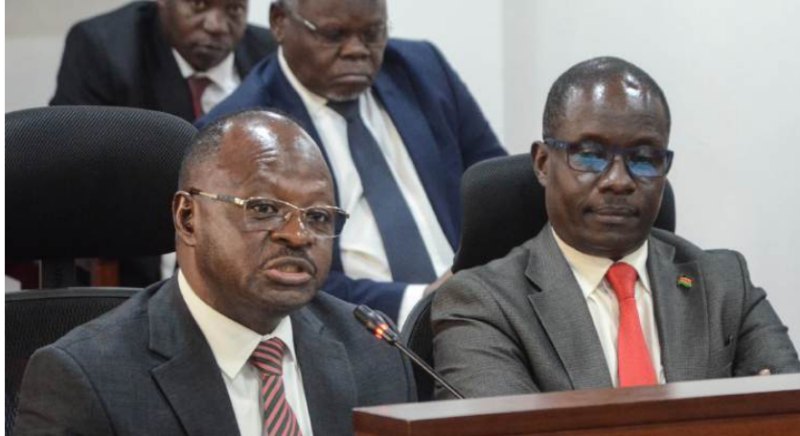
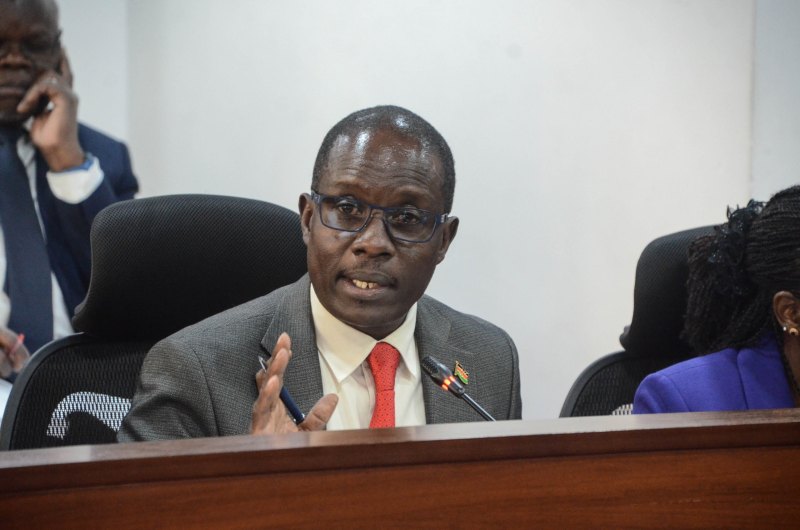
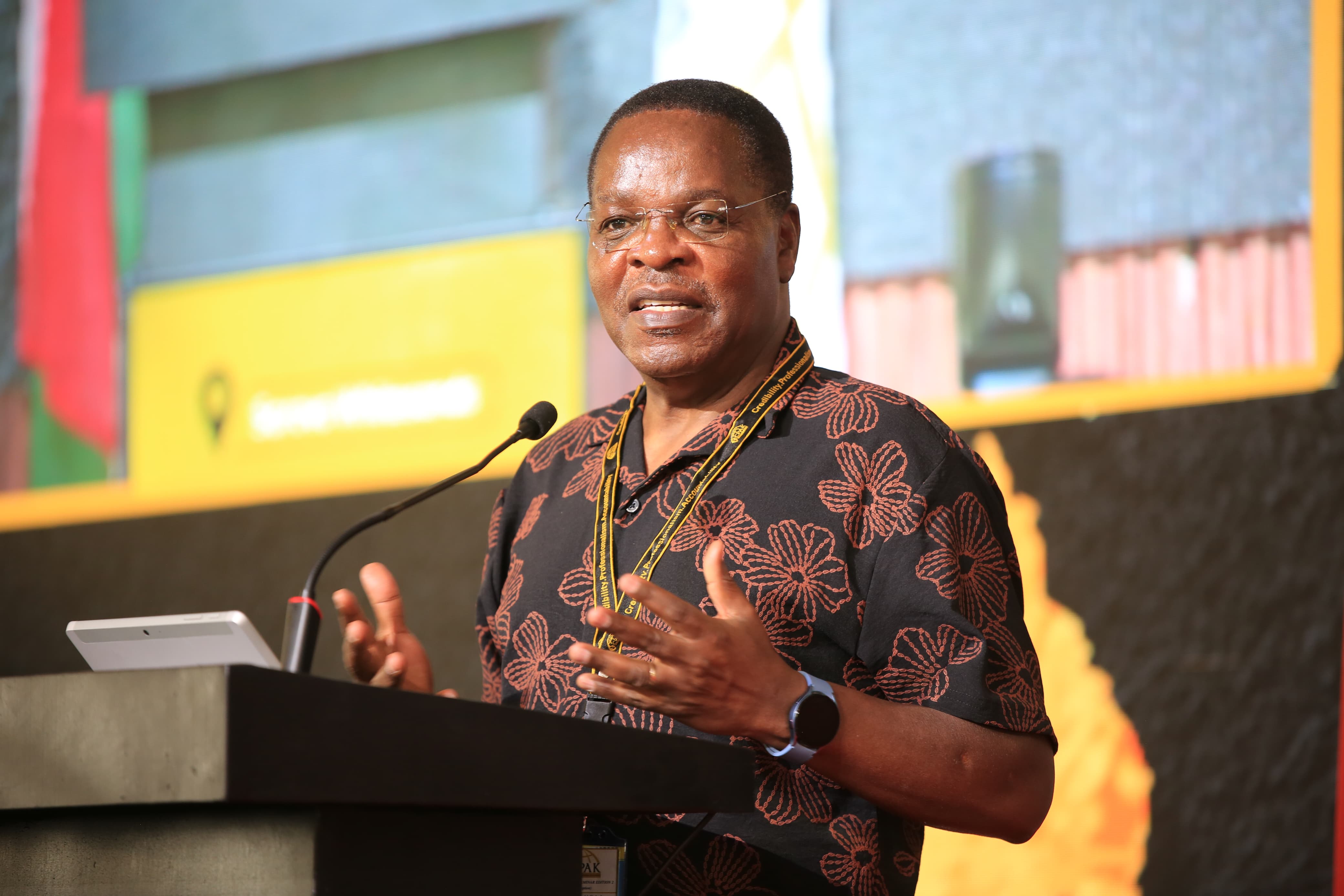
Speaking during the release of the Commission’s latest
report for the 2024/2025 financial year, EACC Chairperson David Oginde said the
past year had seen “significant steps” in strengthening Kenya’s anti-corruption
framework.
He highlighted the enactment of the Conflict-of-Interest
Act, which gives the Commission clearer authority to detect and stop unethical
conduct before it becomes criminal.
“This landmark law grants the Commission clearer authority
and enhanced tools to detect and address conflicts of interest, one of the most
pervasive gateways to corruption,” he said on Monday.
“It empowers us to intervene early, before unethical conduct
escalates into criminality.”
Oginde also pointed to the Anti-Corruption Guiding Framework
adopted by the National Council on the Administration of Justice, saying it had
improved coordination and sped up justice processes.
He added that digitising public procurement through the e-GP
system had introduced transparency in a sector where “the public stands to lose
the most.”
“These reforms affirm a simple truth: when the policy and
legal environment is strengthened, the fight against corruption gains real
momentum,” Oginde said.
The Commission reported increased collaboration with state
agencies, civil society, the private sector, the media and international
partners.
Oginde raised concern over the rising cases of falsified
academic and professional qualifications, saying Kenya must not become a
society where shortcuts override merit.
The National Ethics and Integrity Conference was convened
recently to address the issue.
Youth engagement has also been expanded through integrity
dialogues and digital platforms, which the Commission said were helping reshape
the national discourse on accountability.
At the same time, the EACC has intensified
corruption-prevention measures in high-risk institutions including the National
Police Service, Kenya Power, NSSF and Kenya Prisons.
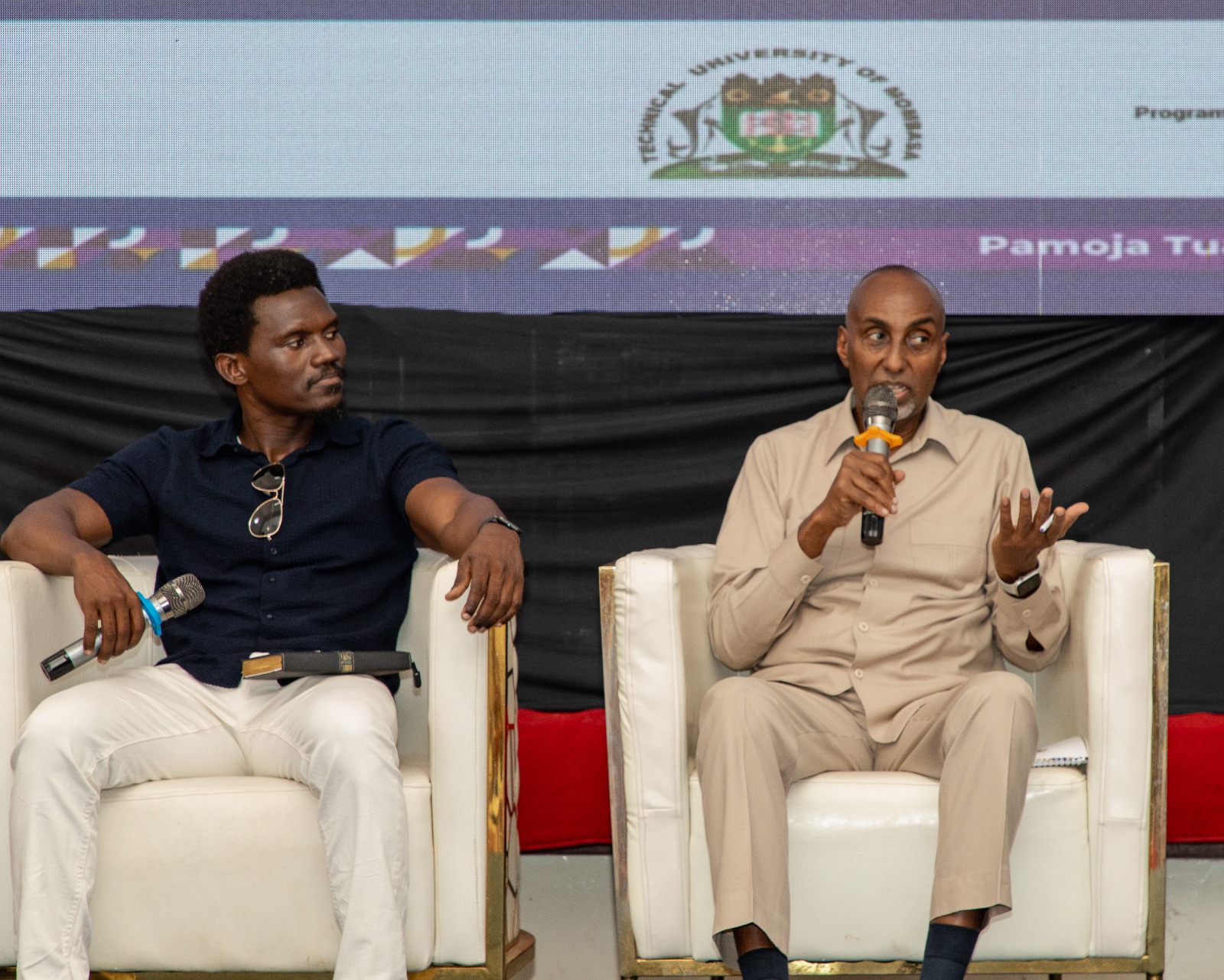
CEO Abdi Mohamud said platforms such as the Kenya Leadership
and Integrity Forum have allowed institutions to align around shared
anti-corruption goals.
“Further, the Commission continues to strengthen the Kenya
Leadership and Integrity Forum (KLIF) and the National Integrity Academy
(NIACa) as strategic avenues for implementing the corruption preventive
mandate,” he said.
“We have, equally, navigated through various challenges by
staying true to our vision of promoting integrity and combating corruption
through law enforcement, prevention and education.”
Looking ahead, the Commission will focus on monitoring
capital-intensive projects, tackling bribery at service points, recovering
unexplained assets, strengthening multi-agency collaboration, and scaling up
public awareness campaigns targeting youth and the media.
These priorities fall under the EACC Strategic Plan
2023–2028.
Mohamud noted that the current implementation cycle comes at
a time when Kenya is under pressure to strengthen its anti–money laundering and
counter-terrorism financing systems to enable removal from the FATF Grey List.
“It is important to point out, the current implementation
cycle (FY 2025/2026), comes at a pivotal moment, when there’s heightened call
for the country to strengthen its AML/CFT interventions to facilitate delisting
from the FATF Grey List,” he said.
“This places an enormous responsibility on the Commission –
especially on matters money-laundering.”
He urged EACC directorates to fast-track all
money-laundering investigations.
Mohamud credited government support and partnerships across
the justice system, civil society and the media for enabling progress.
“Our success depends on your sustained vigilance,” Mohamud
said, calling on all stakeholders to study the report and hold public
institutions to the highest standards.
![[PHOTOS] The new Ngong –Naivasha Road viaduct](https://cdn.radioafrica.digital/image/2026/06/64d4f771-4432-4aee-ba3c-2f304c4436ec.jpg)