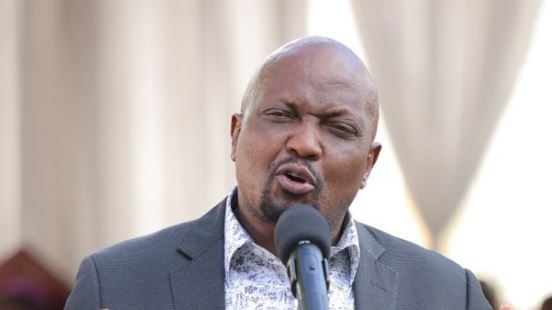


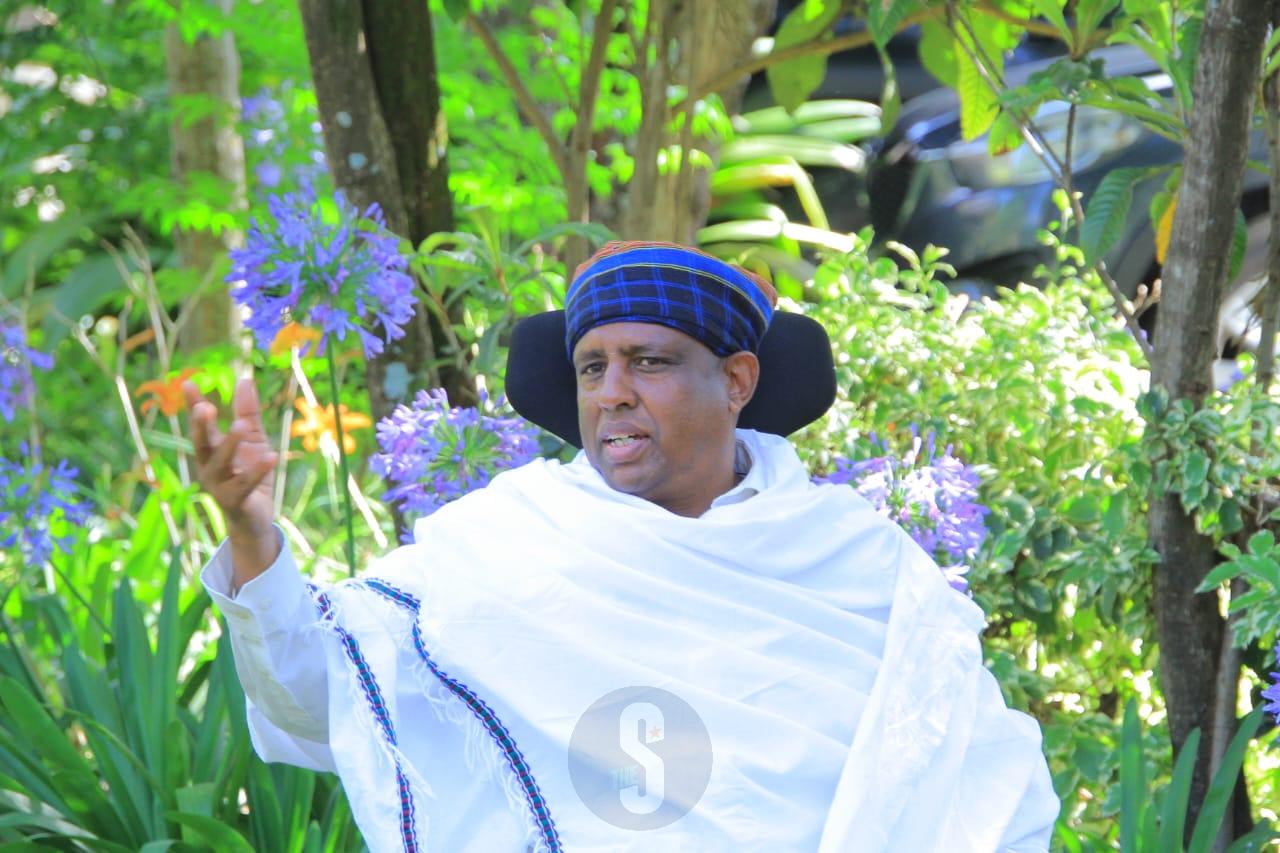
 Marsabit county Governor Mohamud Ali speaks during a press conference at his office in Nairobi on December 1, 2025 /EZEKIEL AMINGA
All is set for the 14th Edition of the Marsabit Lake Turkana Cultural Festival, scheduled for December 3–7, 2025, in the lakeside town of Loiyangalani.
The annual event, one of Kenya’s most vibrant cultural showcases, will once again bring together visitors, local communities, and dignitaries to celebrate unity, heritage, and the rich traditions of northern Kenya.
This year’s festival is themed “Celebrating our diversity, strengthening our unity,” a reflection of Marsabit’s ongoing efforts to promote peaceful coexistence, cultural pride, and community resilience in a region often associated with conflict.
The festival will bring together 14 culturally rich communities—Rendille, Gabra, Borana, Samburu, Turkana, El Molo, Burji, Sakuye, Garri, Somali, Dassanech, Konso, Waata, and Arab—each showcasing their distinct rituals, regalia, languages, and traditional practices that make Marsabit one of the most diverse counties in Kenya.
Speaking in Nairobi during a media briefing on the preparedness of the event, Marsabit Governor Mohamud Ali invited both local and international tourists to Loiyangalani to experience what he described as a unique cultural celebration.
“Fourteen communities will converge in Loiyangalani to showcase their culture and heritage. It will be an event of its kind, both day and night,” said Ali.
He added that the county had finalised all logistical and security arrangements to ensure a memorable experience.
The festival programme features an array of activities, including traditional dances, camel processions, artisan exhibitions, storytelling sessions, cultural cuisine, desert regattas, and immersive experiences that highlight the pastoralist way of life.
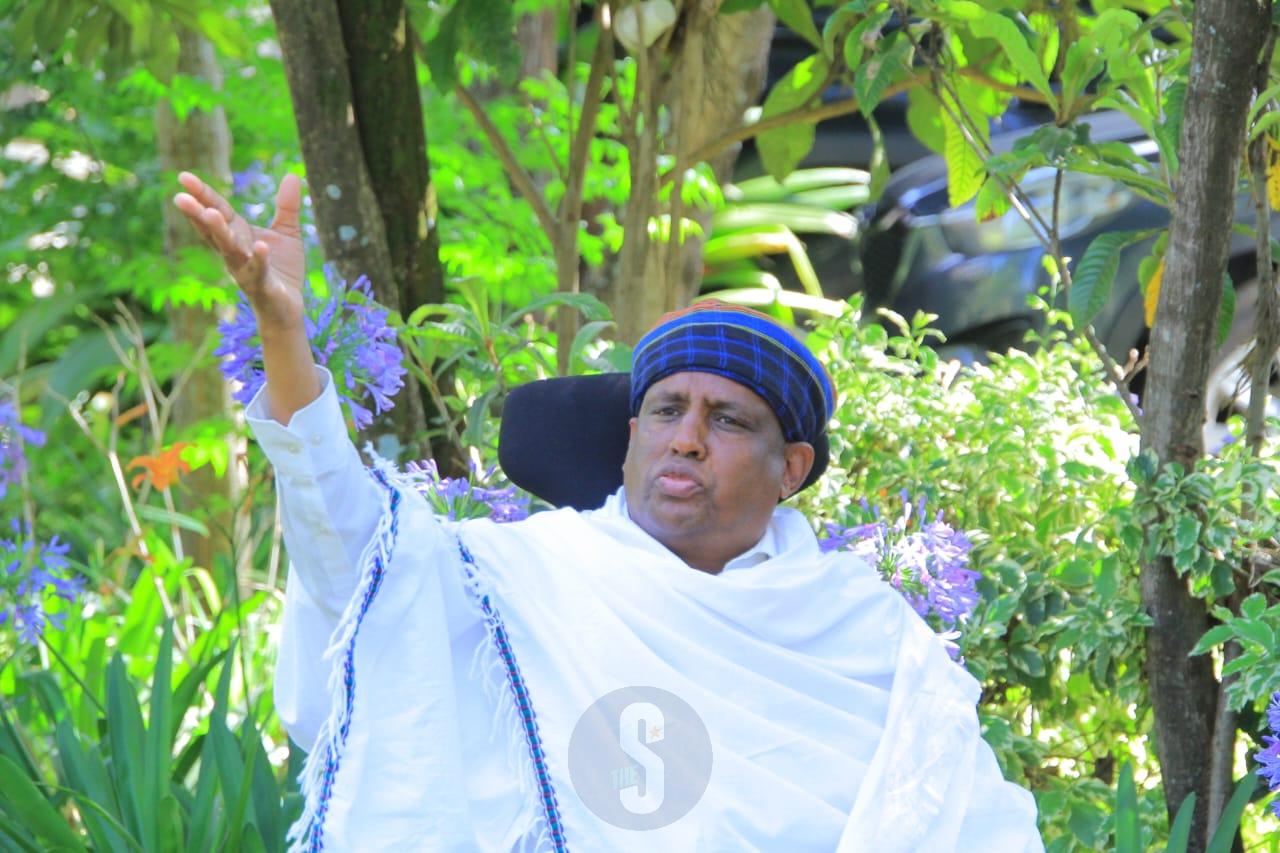 Marsabit county Governor Mohamud Ali speaks during a press conference at his office in Nairobi on December 1, 2025 /EZEKIEL AMINGA
Ali emphasised that beyond its entertainment value, the festival is intended to foster peace and cohesion among the communities of Marsabit, some of whom have experienced insecurity and ethnic tensions in the past.
“We want to stop people from thinking about insecurity whenever someone mentions Marsabit or northern Kenya,” he said.
He added that the festival serves as a platform for dialogue, healing, and shared identity.
The county chief further noted that the event is a strategic investment in the region’s future, poised to open the northern tourist corridor and attract new opportunities in trade, travel, and enterprise.
President William Ruto is expected to attend the event. “The President has been attending the festival since his days as Deputy President,” Governor Ali said.
The festival is also expected to spotlight Marsabit’s vast tourism potential, showcasing destinations such as Marsabit National Park and Reserve, Lake Paradise, Mount Marsabit, the Chalbi Desert, Kalacha Oasis, Huri Hills, and the Mt. Kulal Biosphere Reserve.
Loiyangalani will offer visitors unparalleled access to the Jade Sea (Lake Turkana), South Island National Park, the Desert Museum, and traditional El Molo villages.
Established in 2008 by local communities—long before cultural festivals became a national tradition—the Marsabit Lake Turkana Cultural Festival is recognised as Kenya’s pioneer cultural event.
Beyond cultural celebration, the festival continues to be a driver of economic empowerment.
It has boosted eco-tourism, supported women’s groups, youth performers, artisans, transport operators, accommodation facilities, and small businesses.
Governor Ali thanked key development partners for their continued support, including the State Department of Culture and Heritage, Lake Turkana Wind Power, KenGen, the National Museums of Kenya, Kenya Wildlife Service, and the Kenya Tourism Board.