

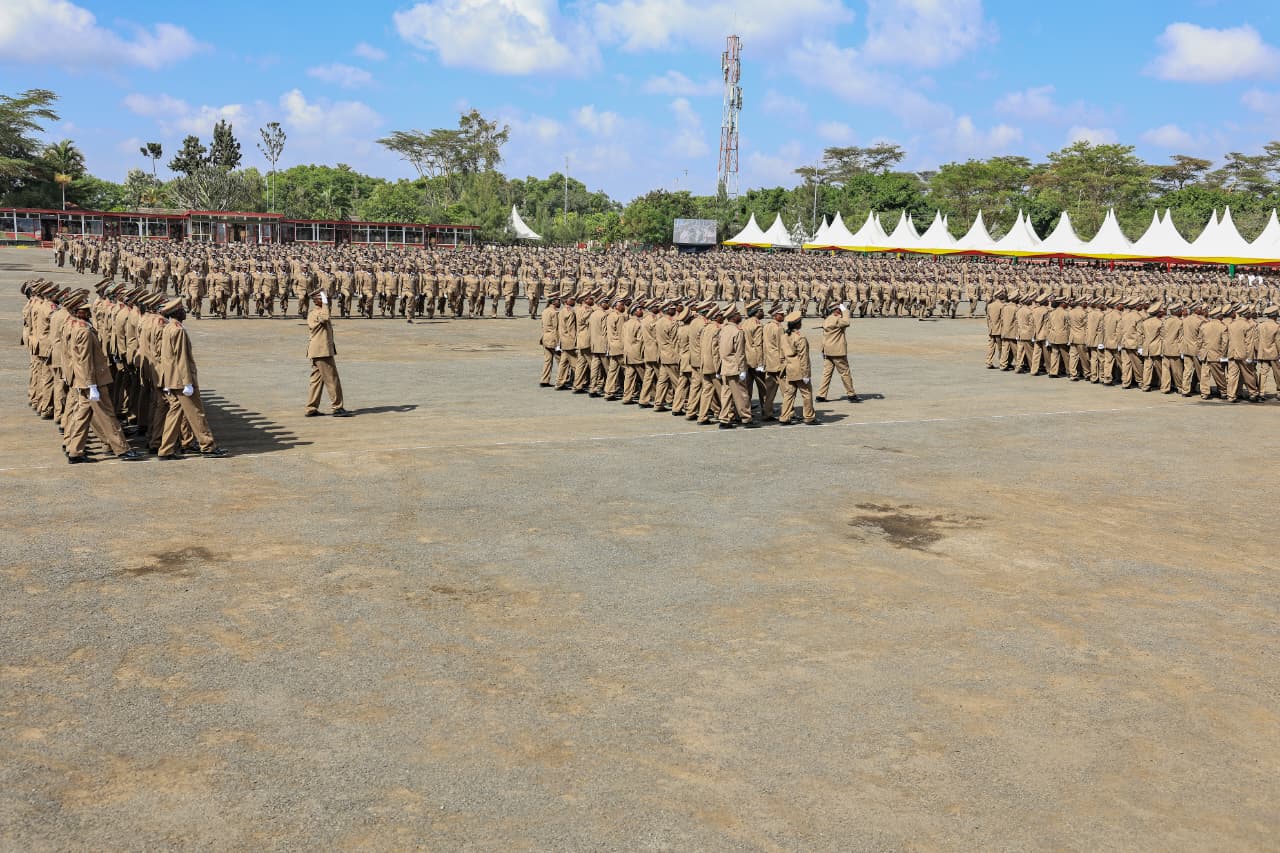
 Chiefs and assistant chiefs during their graduation ceremony at the National Police College, Embakasi ‘A’ Campus in Nairobi on December 1, 2025/MINA
President William Ruto on Monday presided over the graduation of 1,837 chiefs and assistant chiefs at the National Police College, Embakasi ‘A’ Campus in Nairobi.
The officers, who completed induction, paralegal and security management courses, form the third cohort of the newly established training programme.
So far, 5,892 chiefs and assistant chiefs across the country have undergone the structured learning initiative aimed at improving service delivery and governance at the grassroots.
The ceremony represents a milestone in the government’s ongoing reforms to professionalise the National Government Administration Officers (NGAOs), who for decades have operated without formalised training despite their critical role in community leadership and national cohesion.
Chiefs and assistant chiefs remain key figures in dispute resolution, coordination of security operations, management of public order and the implementation of state programmes.
While addressing the graduates, Ruto reaffirmed his administration’s commitment to enhancing professionalism across the public sector.
He noted that the last formal training for NGAOs was conducted in 2016, and that the absence of continuous skilling had weakened administrative efficiency at the local level.
“We are committed to reforming and professionalising public administration to make it more efficient and citizen-focused,” Ruto said.
He commended the officers for their dedication to national service, lauding their role in facilitating government programmes, including the digitised farmer registry under the agricultural transformation agenda, which has so far registered more than seven million farmers nationwide.
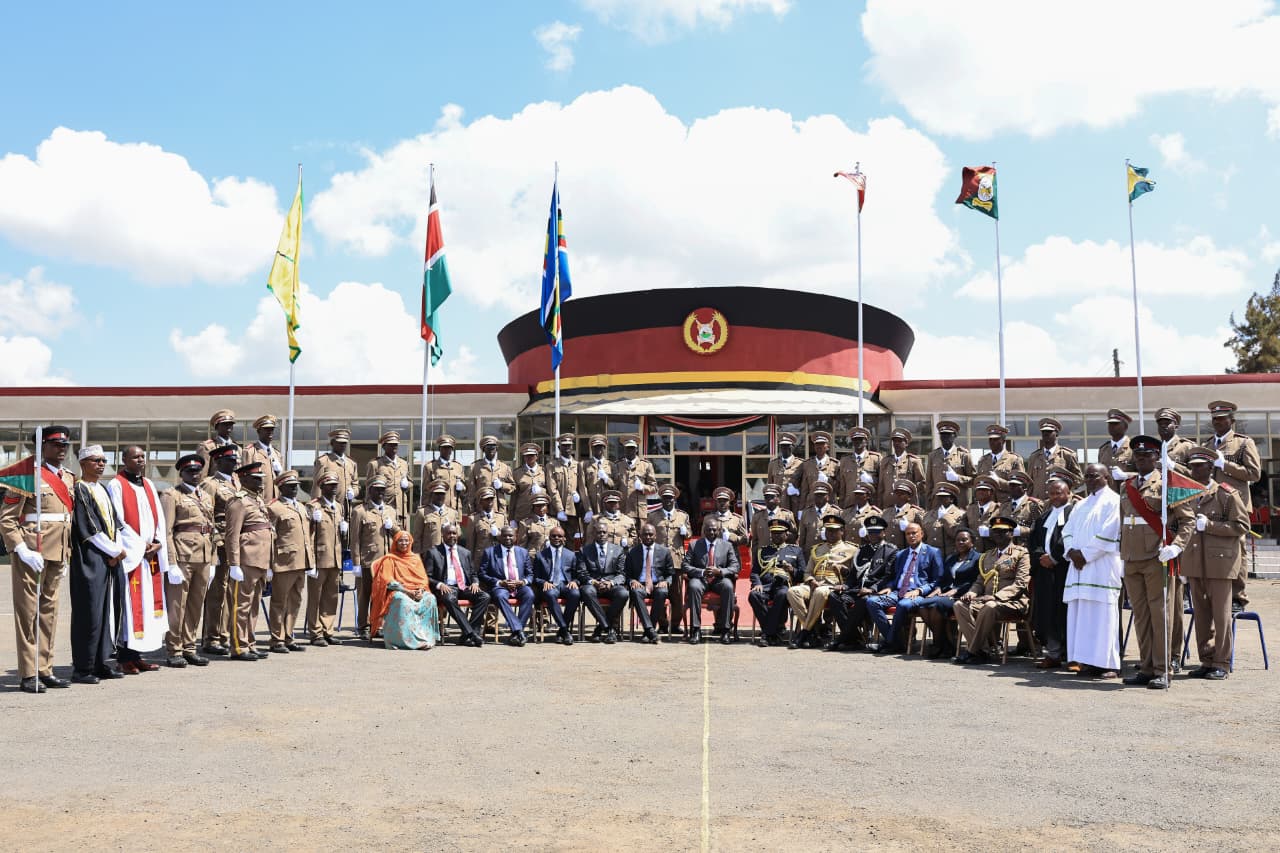 President William Ruto poses for a photo during graduation ceremony of chiefs and assistant chiefs at the National Police College, Embakasi ‘A’ Campus in Nairobi/MINA
The revival of structured training for grassroots administrators follows extensive national consultations under the ‘Jukwaa La Usalama’ initiative, which brought together citizens, security agencies and NGAOs to identify systemic challenges and propose reforms.
Interior Cabinet Secretary Kipchumba Murkomen said the feedback from the nationwide engagements informed the realignment of the administrative system to restore morale and strengthen accountability among frontline officers.
“This graduation ceremony stands as a strong affirmation of the Government’s deliberate and ongoing agenda to modernise, reposition and strengthen Kenya’s administrative framework,” he said.
Murkomen stressed that an empowered and well-trained cadre of chiefs and assistant chiefs is essential to the success of the Bottom-Up Economic Transformation Agenda (BETA), as they provide the direct link between policies and the people they are meant to serve.
“Our chiefs are not just administrators; they are multipurpose officers who connect policy to people, solve community challenges and safeguard unity at the grassroots level,” he noted.
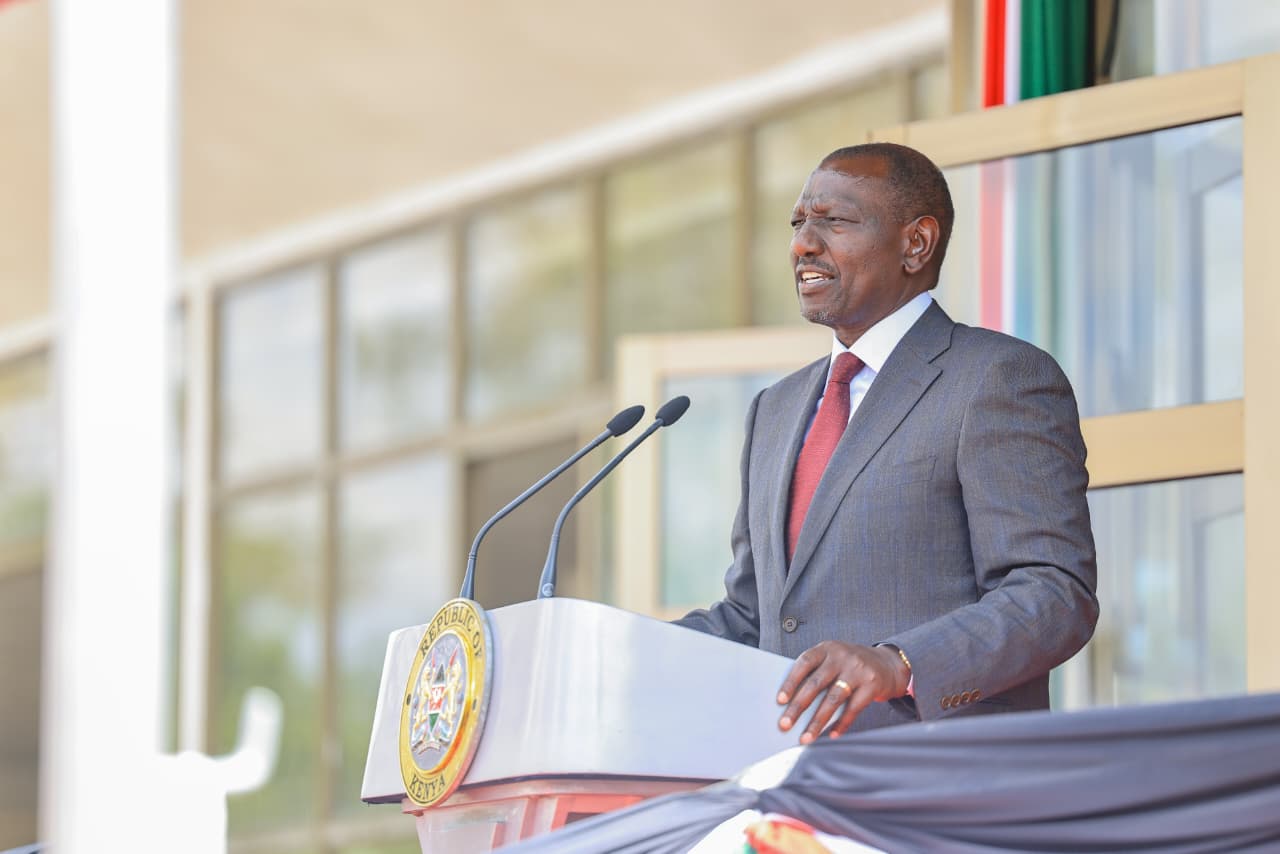 President William Ruto makes an address during graduation ceremony of chiefs and assistant chiefs at the National Police College, Embakasi ‘A’ Campus in Nairobi/MINA
The training forms part of a broader set of reforms proposed in the Jukwaa La Usalama report, which is scheduled for launch on Tuesday at State House, Nairobi.
The government is expected to outline additional measures to enhance national security coordination, improve service delivery, and strengthen public administration structures.