NERIMA: ODM unity post Raila rare in Kenya’s power landscape
In mature systems, institutions not individuals sustain democracy as leaders rise and retire but parties endure
by ANNET NERIMA
Audio By Vocalize
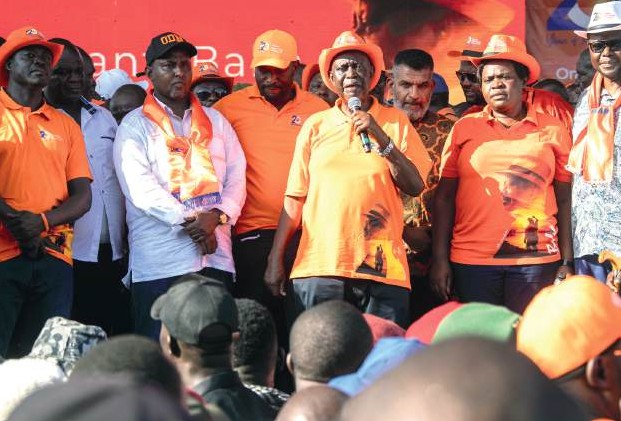
ODM leader Oburu Odinga and other party officials in Mombasa /EMMANUEL WANSON
Across
the world, political parties are the backbone of democratic systems. Strong
parties outlive individual leaders. They provide structure, stability and
continuity in governance.
In
the United States, the Democratic and Republican parties, each over a century
old, demonstrate the enduring power of institutions built on ideology,
organisation and shared purpose rather than the whims of a single personality.
Similarly,
in Europe, Germany’s Social Democratic Party and the United Kingdom’s
Conservative Party have shaped politics for generations. They survived changes
in leadership while maintaining their core principles.
These
mature party systems demonstrate how institutions, rather than individuals,
sustain the lifeline of democracy. Leaders emerge, rise and retire, but the
party machinery continues to function.
Barack
Obama, for example, rose from relative obscurity to become the president of the
US in 2008 because the Democratic Party’s structures could identify talent,
mobilise millions of voters and build broad coalitions.
Kenya,
however, presents a very different picture. Political parties here often exist
on a much shorter timeline; their lifeline is tied more to personalities and
immediate election cycles than to lasting principles.
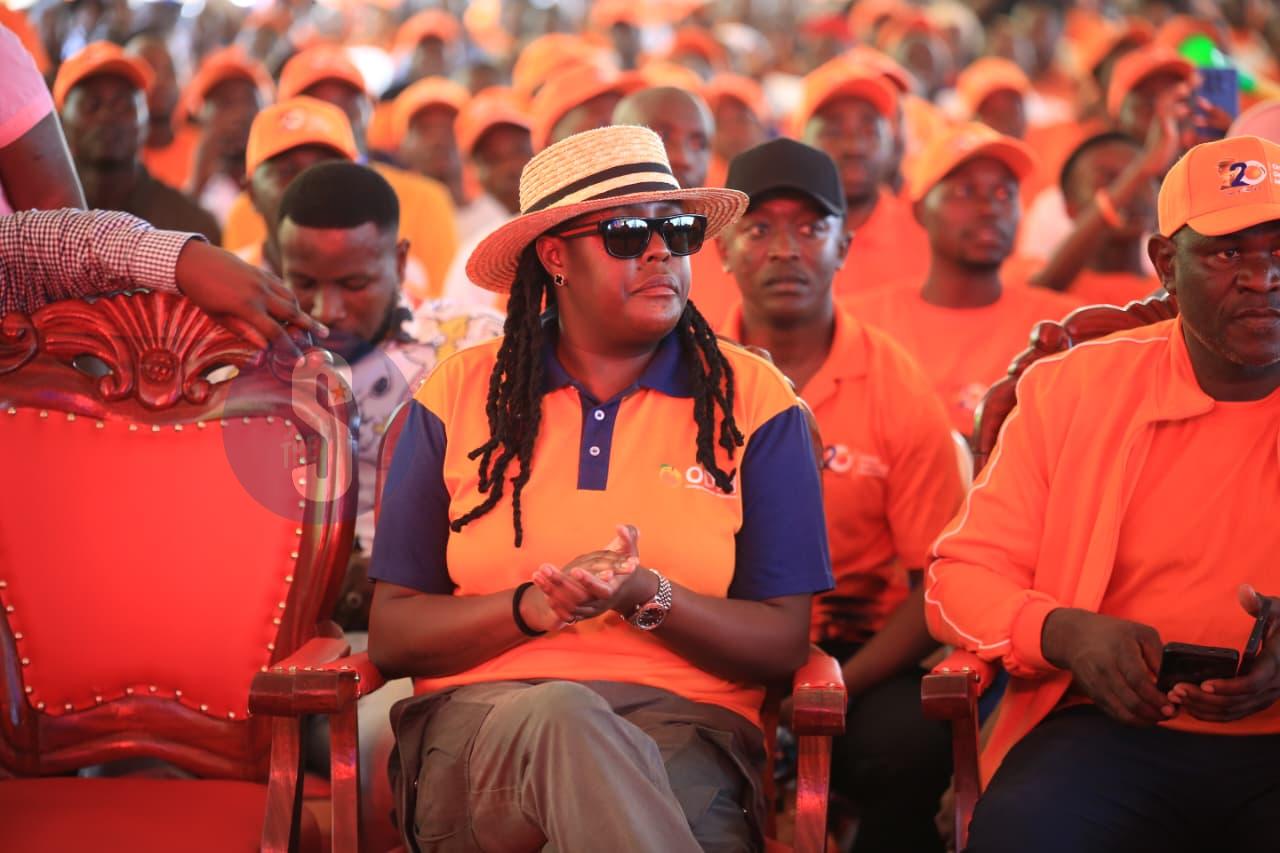
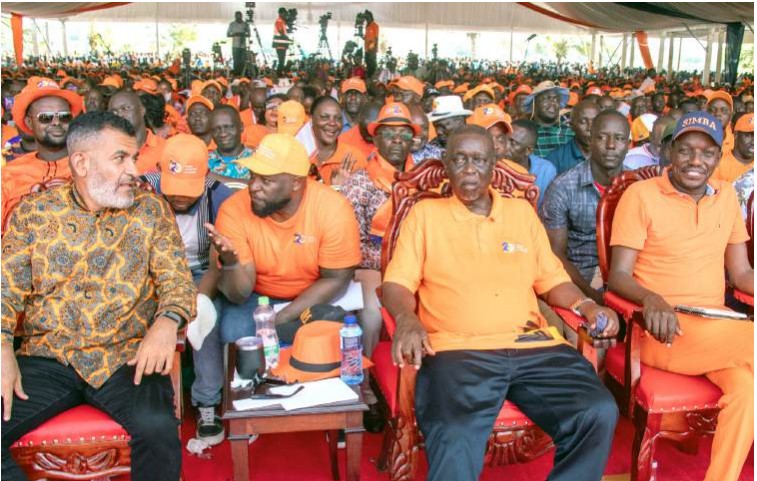
ODM,
which marked its 20th anniversary last weekend, is a case study. The party now
faces internal strain following the death of long-time leader Raila Odinga.
Celebrations of the party’s anniversary highlighted divisions within,
murmurings over succession, and uncertainty about the party’s direction.
Within
the Orange party, loyalty appears to shift according to regional interests
rather than ideology. Leaders in Central Nyanza emphasise protection of the
party’s historical mission, while their counterparts in South Nyanza signal a
desire for new leadership.
Some
even suggest aligning with President William Ruto in 2027. This fragility
raises the question of whether ODM can survive as a true institution or whether
it would collapse.
This
pattern is not unique to ODM, however. The Democracy for Citizens Party,
launched by former Deputy President Rigathi Gachagua, exemplifies a recurring
theme whereby parties often emerge from political ruptures rather than a
consistent ideology.
While
branded as people-centred, DCP’s rapid formation appears to be tailored to the
2027 election cycle.
Looking
back, Kenya has seen many parties rise and fall like shooting stars. Kanu
dominated for 40 years, only to eventually falter. Narc won in 2002 but quickly
lost cohesion. PNU struggled to survive a single election cycle.
Jubilee,
despite securing more than seven million votes in 2017, fractured. National
Super Alliance (Nasa) collapsed after the handshake in 2018.
In
most cases, parties fade when their founders exit the political stage. Few have
a clear ideology, and fewer still build lasting institutions. Instead, many
serve as seasonal election vehicles, revived only when an election approaches.
Statistics
highlight the precarious lifeline of Kenyan parties. Nearly 60 per cent of
registered parties lack functional offices, and fewer than 10 per cent maintain
consistent policy agendas. Internal democracy is weak, party institutions are
fragile and more than 40 per cent of elected officials switch parties during
their careers.
This
weak institutional foundation means political loyalty is often transactional,
tied to access to power rather than shared vision or principle.
The
short lifeline of political parties has consequences for democracy. Without
strong institutions, parties cannot effectively groom their leadership, debate
ideas, or hold those in power to account.
For
Kenya to strengthen democracy, parties must develop a longer lifeline. This
requires investing in institutions that endure beyond founders, committing to
clear principles, and cultivating internal leadership.
Only
then can political parties transition from being mere election vehicles to
becoming true pillars of democracy, capable of sustaining governance, shaping
ideas, and serving citizens over the long term, as seen in mature democracies
worldwide.
Nerima is programme manager, political accountability in state institutions at
Kenya Human Rights Commission
This is premium content
Subscribe to Continue Reading
Help us continue bringing you unbiased news, in-depth investigations, and diverse perspectives. Your subscription keeps our mission alive and empowers us to provide high-quality, trustworthy journalism. Join us today to make a difference!