Kenyans will not face new taxes or additional borrowing to
fund the Sh5 trillion mega projects the government has planned to elevate the
country to world-class status, President William Ruto has said.
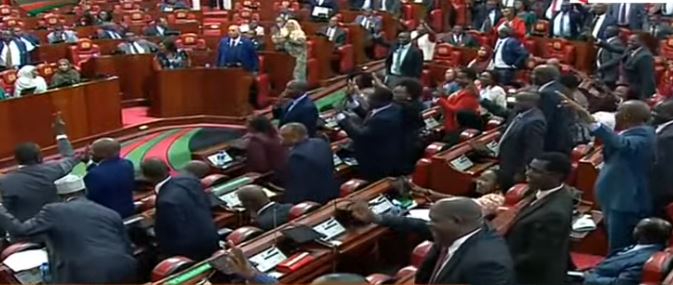
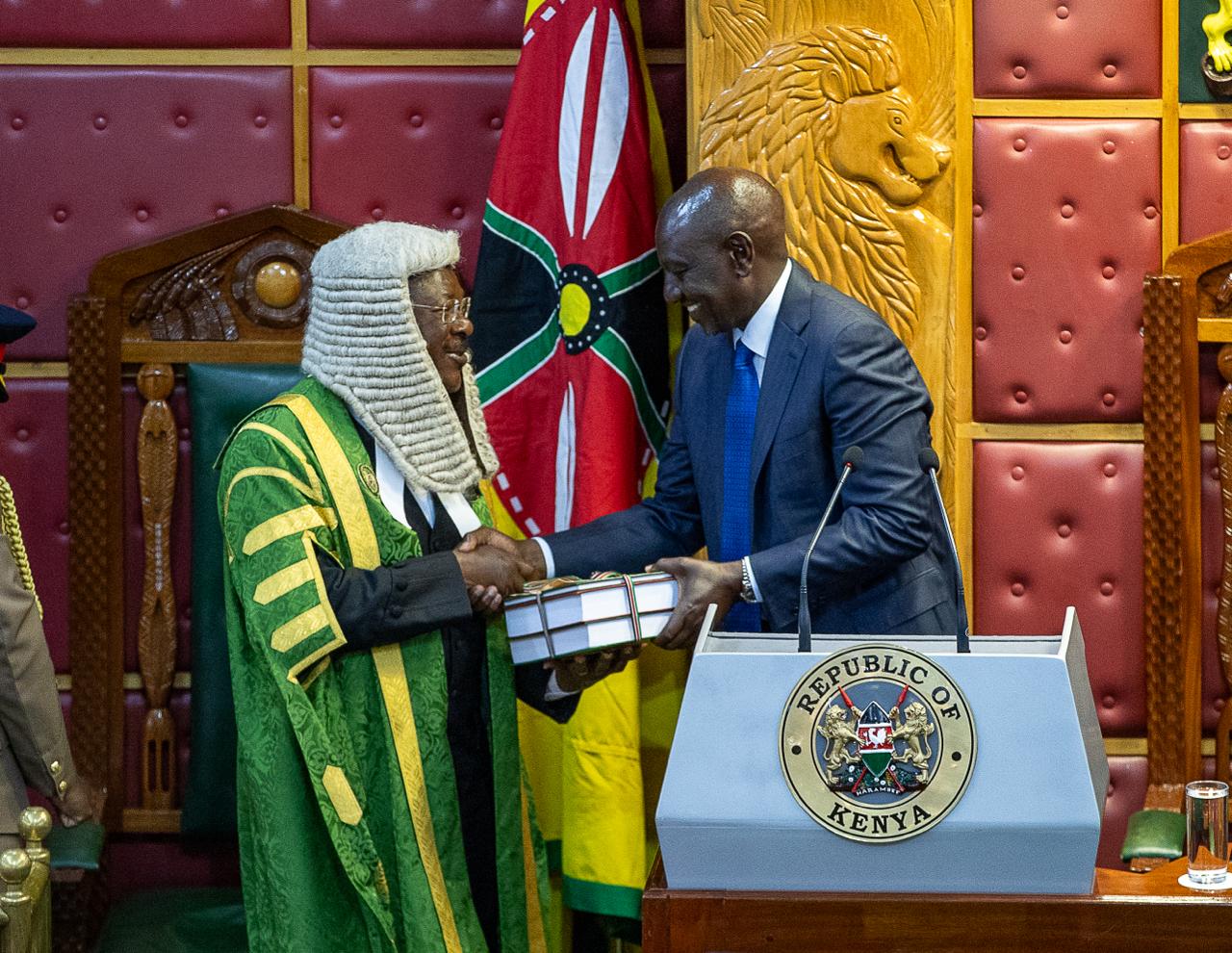
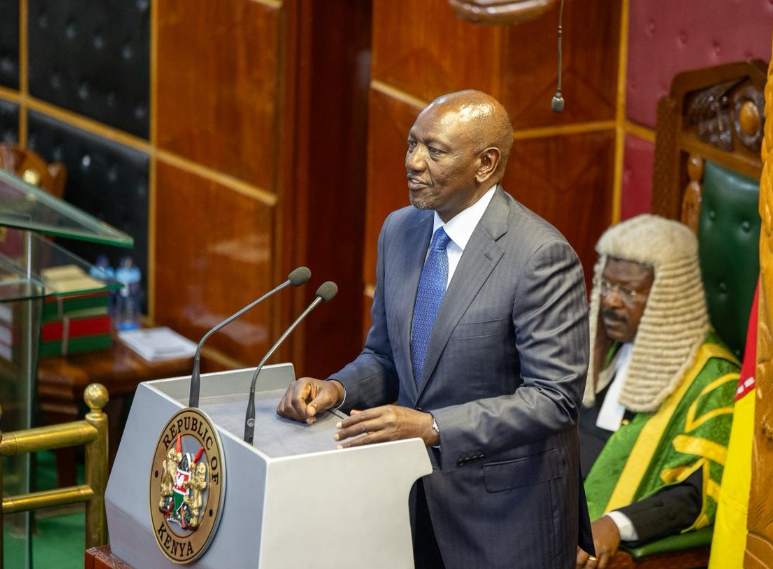
Delivering the State of the Nation Address in Parliament on
Thursday, the President announced the establishment of a National
Infrastructure Fund and a Sovereign Wealth Fund, which he said would provide
innovative financing for the projects.
“We cannot continue funding essential infrastructure through
unsustainable borrowing or burdening taxpayers with additional taxes. But
neither can we afford to postpone these imperatives without risking our
future,” he said.
Ruto said his administration had identified priority
programmes that he believes will transform Kenya’s development trajectory.
These include investment in human capital, construction of
irrigation dams, development of more than 30,000km of roads and energy projects
aimed at adding 10,000 megawatts to the national grid.
Acknowledging concerns over Kenya’s heavy debt burden, the
President assured citizens that the new programmes would not trigger higher
taxes or further borrowing.
“There is a need to be innovative in the use of national revenues
at our disposal, in the deployment of national assets available to us, and in
creating public-private partnerships that will crowd in the enormous pool of
private sector resources available regionally and globally,” he said.
Kenyans have in recent months protested the high cost of
living and increased taxation that have made life unbearable.
Last year, Kenya witnessed perhaps the country's deadliest
protests after youthful Kenyans, commonly known as Gen Z, invaded Parliament
protesting against the passage of the Finance Bill, 2024.
The Bill had introduced new taxes and hiked others.
Ruto said the National Infrastructure Fund—anchored on
reforms in the recently enacted Government-Owned Enterprises Bill—will allow
the government to prudently use existing resources while leveraging capital
markets, privatisation, and public-private partnerships to attract private
investment.
The Bill provides a framework for the privatisation of
strategic assets to enhance their efficiency and profitability.
He noted that all proceeds from privatisation will be
ring-fenced and reinvested in new infrastructure and wealth-creating ventures.
“When ownership shifts to the private sector for efficiency,
the benefits to the public will not diminish; they will multiply,” Ruto said.
He added that for every shilling invested from privatisation
proceeds, the government aims to attract Sh10 from long-term investors,
including pension funds, sovereign partners, private equity firms and
development finance institutions.
He said similar models have proven successful in countries
such as Australia, Singapore and the UAE.
“Australia’s Future Fund, Singapore’s Temasek and the UAE’s
Mubadala demonstrate that commercially run public investment funds can grow
national wealth and deliver transformative infrastructure,” he said.
“The National Infrastructure Fund is therefore more than a
financing tool. It is a generational strategy—preserving value, mobilising
capital, accelerating delivery and ensuring Kenya becomes stronger, wealthier
and more competitive,” he said.
Ruto also announced the establishment of a Sovereign Wealth
Fund to promote intergenerational equity.
A portion of royalties from natural resources and proceeds
from privatisation will be channelled into the fund, which will operate under
three pillars: savings, stabilisation and strategic investment.
He warned that Kenya must avoid repeating past mistakes,
citing the depletion of titanium deposits at the Coast without a framework to
safeguard returns for future generations.
The President said he had consulted political leaders,
including the late Raila Odinga and former President Uhuru Kenyatta, both of
whom emphasised the importance of sustained investment in infrastructure.
“That is the scale of our national ambition, and this is the
blueprint for financing it prudently and responsibly,” he said.
INSTANT ANALYSIS
Ruto framed the four mega projects as “national imperatives”
that must be pursued despite fiscal constraints. He said Kenya’s development
ambitions—including roads, energy, water systems, logistics and digital
networks—require sustained, large-scale investment at a time when the country’s
fiscal space remains narrow.