This year’s address, however, is draped in a uniquely
sombre and politically charged atmosphere.
It is occurring as the country navigates the path of
recovery from the recent demise of former Prime Minister Raila Odinga.
The shadow of the opposition icon still looms large over
the august House.
For decades, Raila Odinga was not just a politician but a barometer of the nation's political climate.
His presence on the parliamentary benches, or his
conspicuous absence, communicated volumes about the country’s pulse.
The events make this the first State of the Nation
address in a generation that will proceed without his defining presence.
Politically, Ruto approaches this podium at a
critical juncture.
He is set to speak before a gathering of members from
increasingly distinct political factions, many of whom are already gearing up
for a potential face-off with his reelection plans.
The political landscape, once defined by the UDA-ODM ease
of hostility, has been greatly altered.
In his address last year, the President passionately
spoke to the call for national unity and reiterated the strategic logic behind
his party’s forged ties with ODM.
Today, that foundation is rocked by uncertainty, forcing
him into a recalculation of alliances and strategy.
Further unsettling the chamber is the recent tension
between the Executive and the Legislature.
The President’s public lamentations about alleged graft
among MPs did not go unnoticed and created a palpable unease.
This friction was evidenced when MPs annulled the
government’s e-procurement directive.
As is the complexity of the relationship, the same House
approved the Conflict of Interest Bill, 2025, a piece of legislation the President himself touted as a ‘much-needed instrument in the war on
corruption’.
On the economic front, the President faces the task of
reconciling official statistics with the experiences of ordinary Kenyans.
Last year, he reported that the ‘state of the nation’
was resilient, citing a positive economic turnaround.
However, persistent grumbles from the public indicate
that the promised impact is yet to be felt in the pockets of a populace
straining under the weight of the high cost of living.
The address also comes in the wake of mounting concerns
over essential services.
The education sector is wrought with funding challenges
while Kenyans await a clear statement on the state of the Social Health
Authority (SHA) amidst constant public outcry.
Furthermore, the nation expects a concrete jobs plan and to see whether the employment measures announced last year have yielded tangible
results.
Ahead of the address, MPs who spoke to the Star on
Wednesday painted a picture of a nation and a Parliament, sharply divided in
its expectations.
For Kenya Kwanza allies and Ruto backers, the President
arrives with a long list of achievements to pronounce on his big parliamentary
day. They expressed a tone of optimism.
Tharaka MP Gitonga Murugara stated, “I expect to hear
him address the economy. Are we doing well, or are we headed south? The cost
of living. Is this going down to our celebration, or is it still up to our
chagrin?”
He said they expect the President to address
progress made in the implementation of the Bottom Up Economic Transformation
Agenda (BETA) plan.
“Are we on course? Here we have affordable housing and
universal health care. On politics, I expect to hear our way forward after
Baba's demise. Which way Kenya?” he told the Star.
From the opposition side, the perspective is heavily
influenced by the legacy of Raila.
Nyando MP Jared Okelo, a lawmaker from Raila’s
political backyard, predicted, “It will be heavy on death and achievements by
Baba [Raila].”
He suggested the President would likely use the
occasion to make a call to leaders and Kenyans to rally behind his vision,
which he has frequently argued is aligned with Raila’s.
“He will likely speak on the need to rally behind Baba’s
vision of peace and unity. Taking stock of Kenya Kwanza development scorecard, like roads and railway connectivity, plus electricity connectivity,” Okelo
added.
For opposition stalwarts, however, the Ruto tenure has
left a great deal to be desired, citing a mass hue and cry over various
governmental shortcomings.
They point to the pervasive weight of corruption, heavy
taxation that has eroded purchasing power, and a litany of unfulfilled promises
that have left many with a sense of shattered dreams.
Kitui Senator Enoch Wambua said, “I hope and wish that
the President would use the floor of the August house to speak real hope to a
nation that is tottering on the edge of hopelessness.”
He went on to say that the head of state would be
speaking to “a people grossly frustrated by both the actions and inactions of
state and state actors on basic human and people’s rights.”
His sentiments were echoed by Kitutu Chache South MP
Antony Kibagendi, who argued with scepticism that “there would be nothing
different other than the traditional long stories.”
He said his team expects nothing less than “cooked up
figures of those employed in his housing projects, fake numbers on exported
human resources, and shiny projects that are not improving the quality of life
of our people.”
The lawmaker, an ally of ex-Interior CS Fred Matiang’i,
added: “President Ruto will not risk talking about job losses, heavy taxation
that has destroyed the spending power of a majority of Kenyans.”
INSTANT ANALYSIS
As the nation gets glued to its TVs and tunes in to its radios for the big day,
President Ruto’s address is shaping up as a test of leadership. The entire
country will be watching, listening not only for the words he speaks but for
the substance as well as the practicality behind them.


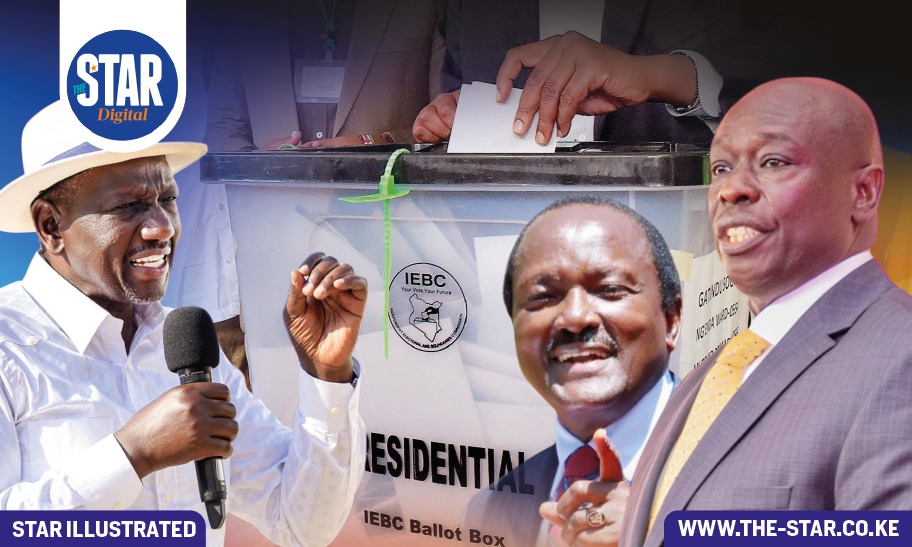
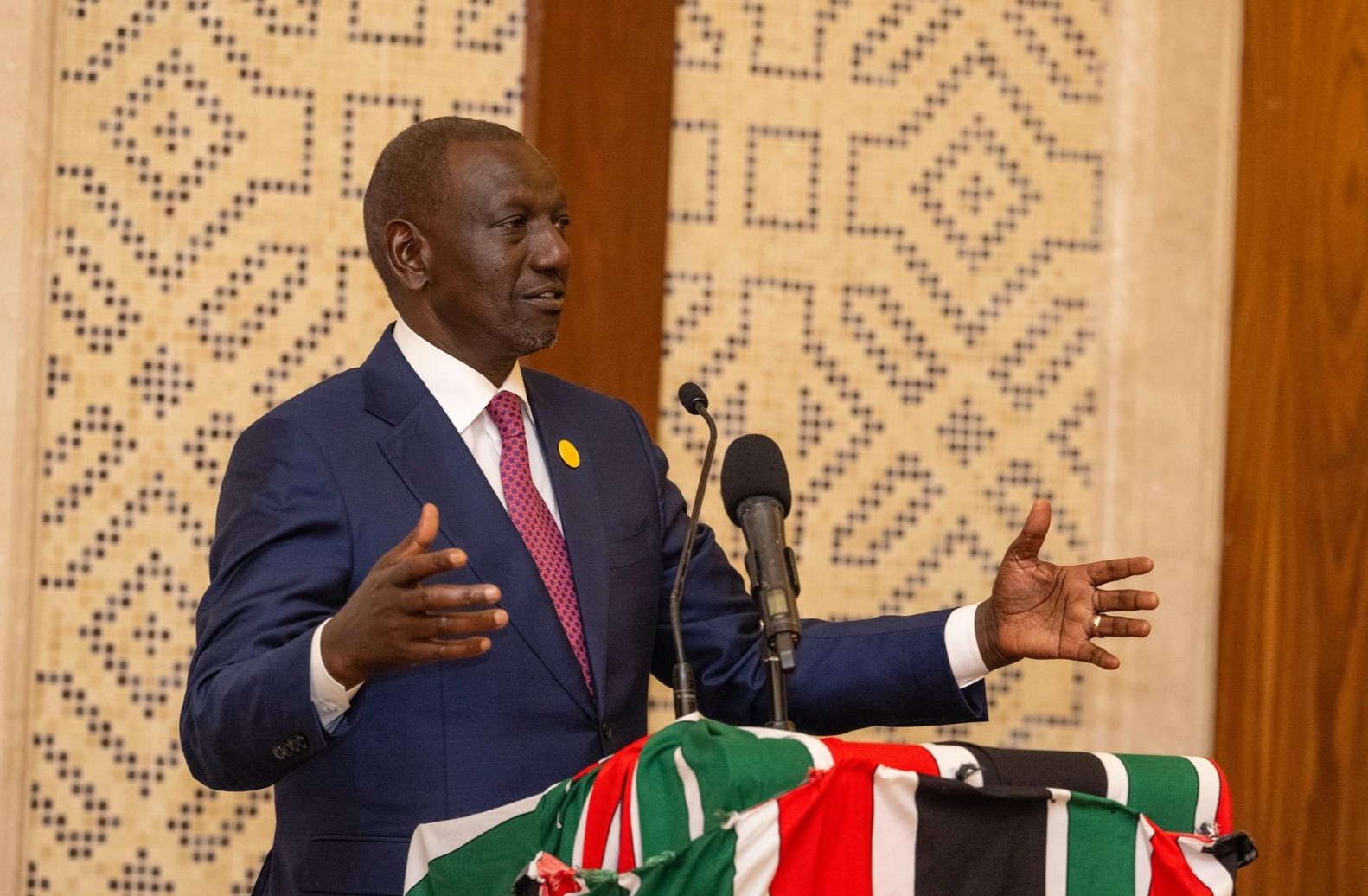 President William Ruto addresses the Kenyan diaspora in Doha, Qatar, on the sidelines of the United Nations Social Development Summit, November 4, 2025. /PCS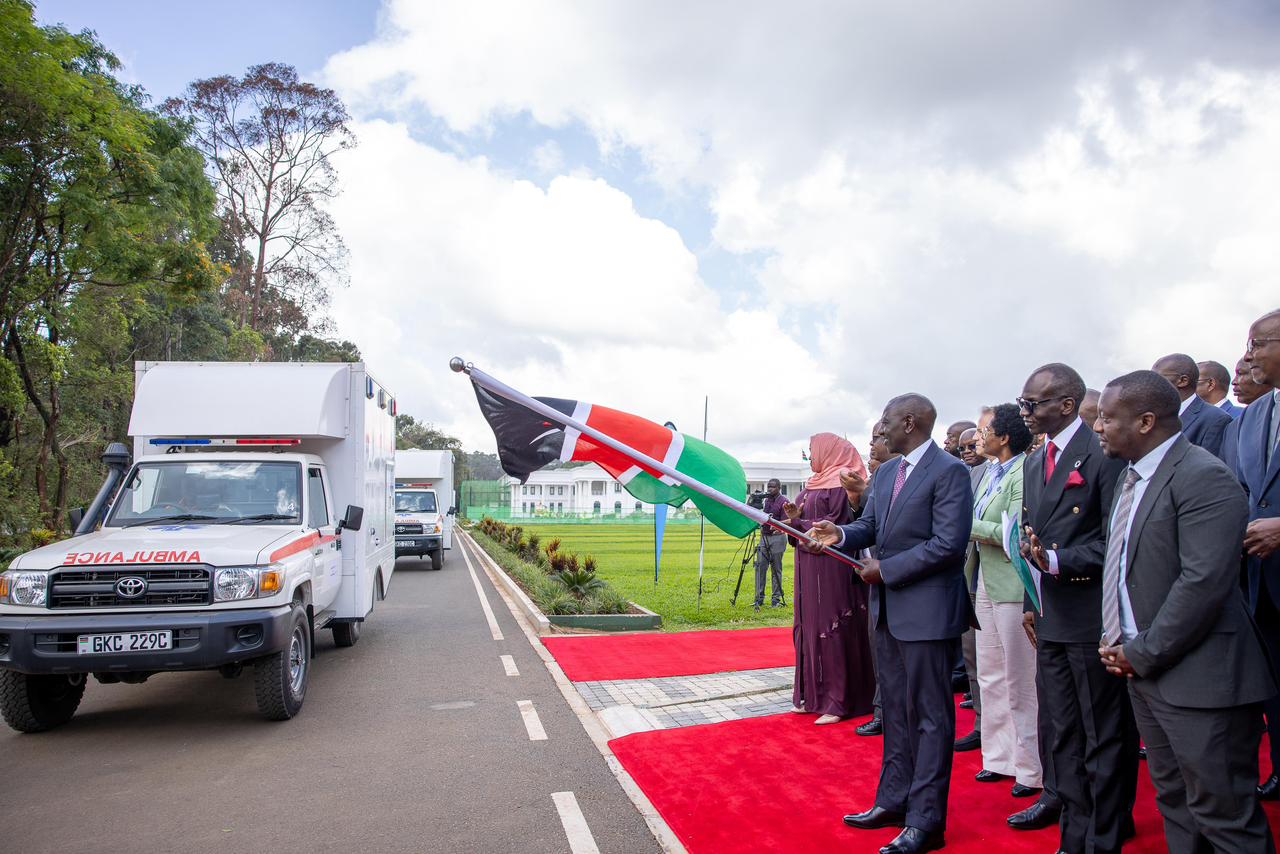
![[PHOTOS] Ruto prepares for State of the Nation Address](https://cdn.radioafrica.digital/image/2025/11/f7cf036a-bf6f-4aa6-a238-1474379c46f6.jpg)