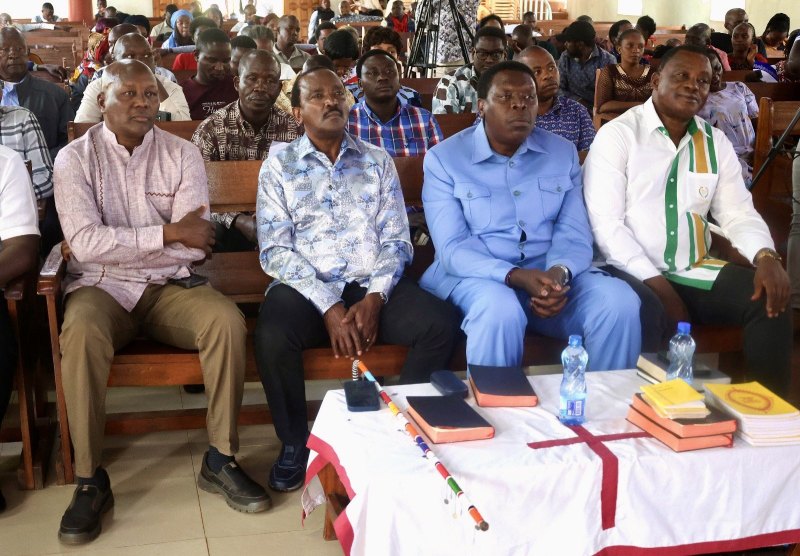
Friday, October 24, the government launched verification of applicants to the Nyota Star programme.
The
National Youth Opportunities Towards Advancement Project is a Kenyan government
initiative supported by the World Bank to create jobs, increase earnings, promote
savings, and foster entrepreneurship among vulnerable youth.
It can also refer to the Swahili
word for "stars”. Its overall goal is to transform the lives of vulnerable
youth by boosting employment, enhancing income-generating opportunities, and
encouraging a savings culture.
It is a five-year programme aiming to
unlock youth potential empowering young people to drive innovation for
community development and long-term economic resilience.
The project aims to
strengthen systems that promote sustainable youth empowerment. It will also
enhance access to financial services and opportunities for entrepreneurship and
equip youth with in-demand skills guided by labour market trends.
The Nyota project is just one
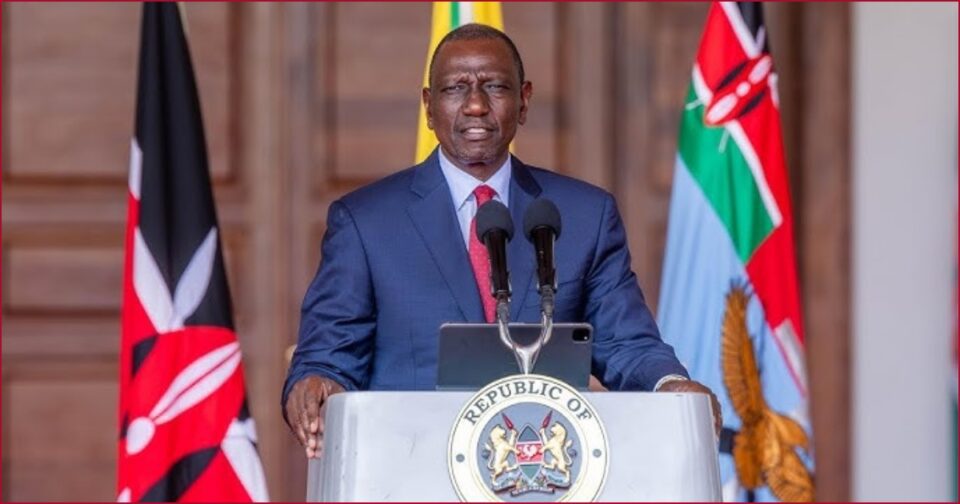
of the many economic projects of the administration of President William Ruto
under the BETA policy. The others include the Hustler Fund and the Youth
Enterprise Development Fund (YEDF). These offer easy access to credit for SMEs’
business capital and financing for bid bonds and business expansion.
The
globally acclaimed Youth Empowerment Centre has transformed the young people’s
lives at the grassroots level. The YECs are a unique response to challenges
such as inadequate capacity and limited access to ICT services, guidance and
counselling on drugs and substance abuse and HIV-Aids prevention, among others.
Besides promoting and nurturing youth talent, the YECs are platforms
integrating entrepreneurship training, information provision, ICT, counselling,
games, community mobilisation and networking. Their comprehensive services make
the YECs the hubs for all government activities involving the youth
countrywide.
A fully fledged YEC was to be
constructed in three phases —all
constituting a Y-shape (standing for Youth) office complex. Wing A will consist
of a library, cyber café, a guidance and counselling room, a room for indoor
games, an office and a store. It also will include the national government
through Ministry of Devolution that were to fund the establishment of this
wing.
The second phase (Wing B) would comprise a large multipurpose hall, a
physical fitness gymnasium, a reproductive health facility and changing rooms
funded by the local National Government Constituency Development Fund (NG-
CDF).
The third and final phase (Wing C) funded by the local county governments
is to comprise a conference room, counselling and testing room, a secretariat
office, drugs and substance abuse facility, and a nutritionist facility. Other
initiatives involve strengthening the formal job sector, reviving youth
polytechnics, increasing bursary allocations, and establishing youth
empowerment centres and affirmative action policies.
Given the current national
circumstances, the government has gone a long way in fulfilling its promises to
the youth during the 2022 elections.
Further, the youth in their numbers have
demonstrated a strong desire to play critical and constructive roles in
national leadership and development. They came out last year and loudly
demonstrated reservations about many of the policy directions the government
was taking. Their protests led to some unprecedented decisions by the national
political leadership across board. These efforts must not be in vain.
However, to achieve their full
potential, the youth require both civic and economic empowerments. The two are
complementary and should be supported simultaneously.
Even though some work
still needs to be done in the civic and political education front, a lot of
ground was covered during the second liberation movement period. The beneficiaries
of these efforts by the civil society are generally adults and may have only a
handful of the current youth in their ranks.
What is glaringly missing is the
economic empowerment to complement the civic consciousness of the youth. The government’s
intervention initiatives should be understood in this context. The pervasive
fear is that these programmes may not achieve their intended objectives or full
potential because of historical experiences. Most previous such endeavours to economically
uplift the youth have been motivated by political expediency.
They have been
designed and launched in electoral seasons with the sole objective of enticing
the youth to deliver their critical vote bloc for the incumbency. As such, the
intended beneficiaries, who understood the political motivation, did not take
the initiatives seriously. In the same vein, those who accessed business
opportunities did not utilise the resources availed for economic advancement. A
large number of them squandered grants and loans on irrelevant activities,
including politics and leisure. Therefore, the economic marginalisation of the
youth became systemic and cyclic.
Without adequate and sustainable
incomes, youth continue to remain vulnerable to manipulation by the political
elites. They will be considered appendices in major political decisions that
direct the development of the country. Their unity will be reactionary,
sporadic and susceptible to infiltration by status-quo forces. The youth cannot
negotiate impactful development projects that address their special needs as a
significant constituency.
While it is appreciated that the youth stage in human
development is transient, their conditions of livelihood require special
considerations at the policy level. They can leverage their economic might if
they are well endowed. Many social and political formations have not taken full
advantage of these opportunities to mobilise the youth join the programmes. The
church, civil society and political parties should make it their priority to
sensitise the youth to the benefits that will accrue from these ventures.
Citizenship as practiced derives from the classical concept of democracy. A good citizen is responsible,
respectful and actively participates in his or her community. Key qualities
include honesty, empathy and a commitment to upholding the law while respecting
the rights of others.
Good citizens stay informed, contribute to the common
good, and show a sense of duty to their nation and community. They take
responsibility for their actions and the community's well-being through actions
such as voting, volunteering and helping neighbours.
Aristotle defined a
citizen as someone who is entitled to participate in holding public office and
in the administration of justice. His definition was not based on residence
alone, but on active participation in the governance of the state, requiring the
capacity for rational thought and deliberation.
Plato, on the other hand, defined a
citizen as someone who has achieved a balance of "knowing how to rule and
be ruled with justice". This means a citizen is not just a passive member
of a state but someone who understands their role within the social hierarchy, who
can govern themselves justly, and is willing to accept the rule of just
leaders.
As is evident, the responsibilities of citizens require that they
possess certain levels of capacity. Economic empowerment is a key component of
this capacity. If the youth do not take full advantage of the government
initiatives to uplift their lot, then they will continue to be mere spokes and
cogs in the wheel, not the drivers of national development.
Ochieng’
Kanyadudi is a Political and Policy Analyst

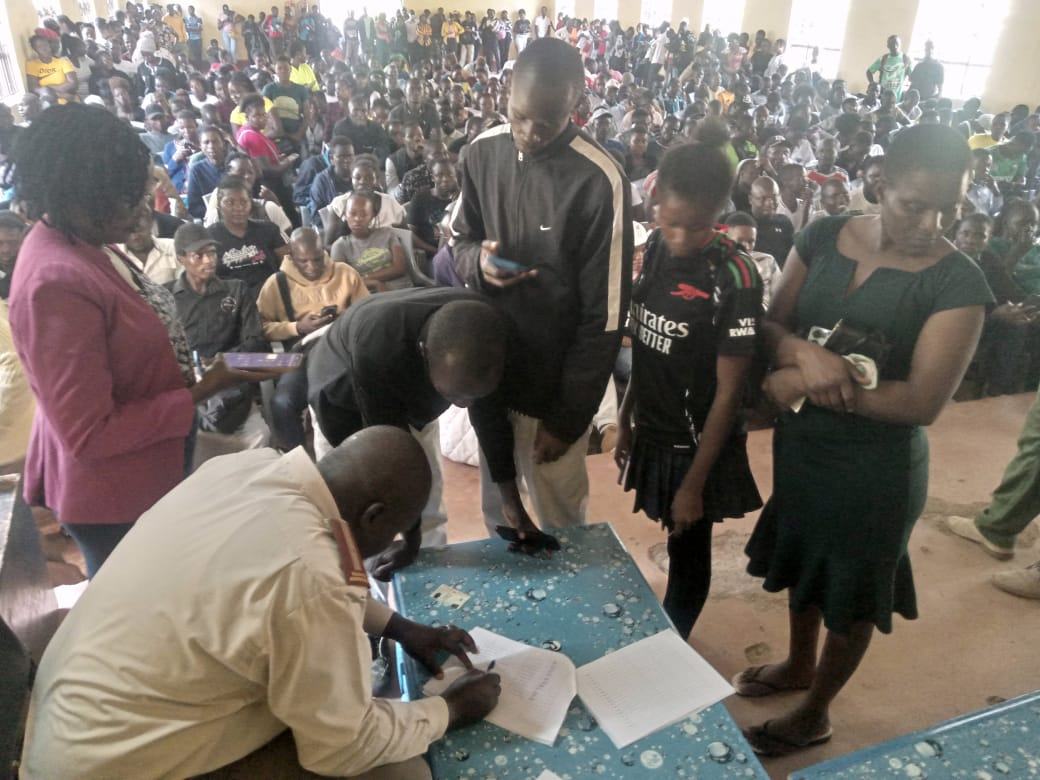 Youth in Kasipul constituency during Nyota programme verification exercise Friday at Rawinji hall in Oyugis Town, Homa Bay. /KNA