Trial and conclusion of corruption cases will no longer stall following the launch of Guidelines for the Expeditious Trial of Corruption and Economic Crime Cases in Special Magistrates’ Courts.
The main objective of these guidelines is to ensure the just, fair, timely and expeditious disposal of corruption and economic crime cases in Special Magistrates’ Courts in Kenya.
The new guidelines now state that all corruption and economic crimes cases shall be held in an open court, unless otherwise directed by the Court.
The courts are required to hold a pre-trial conference within 14 days of plea taking, in which, among others, confirmation that the disclosure of evidence the Prosecution intends to rely on has been made to the accused person.
The Court shall, as far as practicable, hold the trial of the case on a day-to-day basis until completion, and after the close of the hearing, the magistrates are required to deliver their judgments/rulings within 60 days.
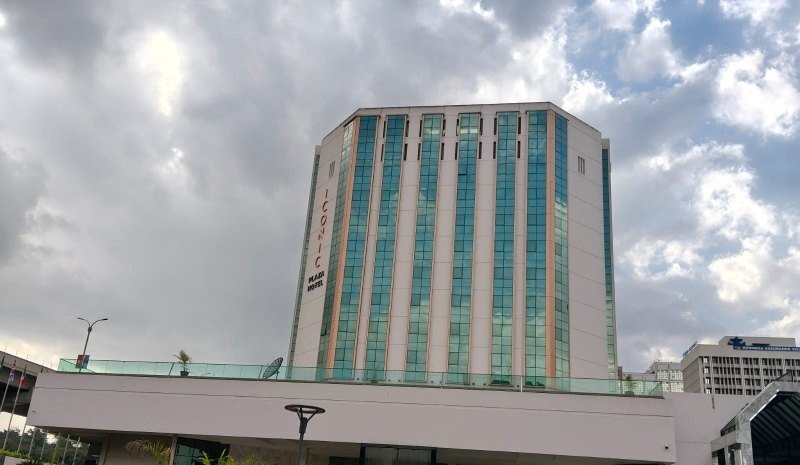
The National Council on the Administration of Justice (NCAJ) last week launched the Guidelines at a Nairobi hotel, which are aimed at enhancing coordination among criminal justice sector agencies.
The Guidelines seek to promote efficient service delivery and uphold accountability in the fight against corruption.
Chief Justice Martha Koome, who chairs the NCAJ, said addressing corruption is essential for achieving the Sustainable Development Goals, especially Goal 16, emphasising strong institutions and accountable governance.
“Their primary aim is to enhance the processing speed of graft cases in these Courts. By implementing the guidelines, we will offer service delivery and public trust, improve institutional accountability, and use public resources effectively,” CJ Koome said.
Director of Public Prosecutions Renson Ingonga said combating corruption and economic crimes in Kenya is a mission that requires continuous innovation, commitment, and collaboration among stakeholders.
“Corruption significantly hampers socio-economic progress, obstructs access to essential services, and misappropriates public resources, leading to increased inequality and reduced investment,” Ingonga said.
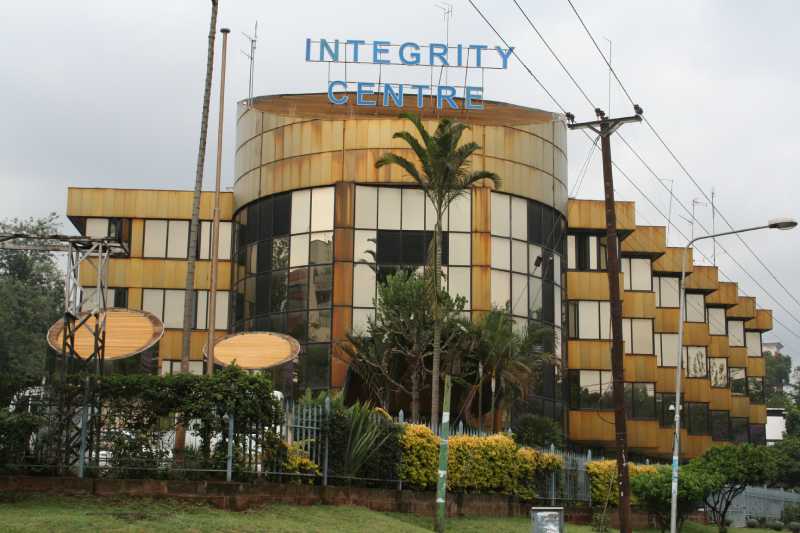
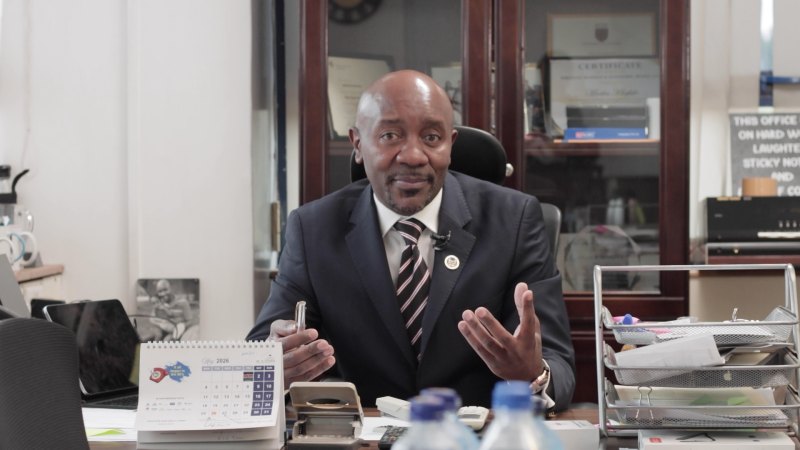
Ethics and Anti-Corruption Commission (EACC), CEO Abdi A. Mohamud said the Guidelines will foster greater consistency, predictability, and accountability in handling corruption and economic crimes by consolidating and standardising practices and procedures among the diverse actors involved in the process.
“The Guidelines also underscore the crucial and transformative role of technology in accelerating case resolution, improving transparency, and enhancing access to justice for all Kenyans. The EACC firmly stands behind these objectives and calls upon all stakeholders to actively support their implementation,” Mohamud said.
Attorney General Dorcus Oduor said that despite existing challenges in the fight against corruption, justice sector agencies have made significant progress, including legislative reforms and institutional strengthening, bolstered by international anti-corruption treaties.
“The Office of the Attorney General and the Department of Justice remain dedicated to combating corruption and promoting the rule of law. Through full implementation of these Guidelines, we reaffirm our shared responsibility to build a transparent, accountable, and corruption-free society,” Oduor said.
LSK President Faith Odhiambo added, “The Law Society of Kenya supports the implementation of these Guidelines and is committed to working closely with all justice sector actors. As a professional body, we will continue to back reforms that promote judicial efficiency and safeguard human rights.”
Inspector General of Police (IGP) Douglas Kanja said the new Guidelines will ensure swift, fair and transparent resolution of cases.
“For the National Police Service, these Guidelines reaffirm our critical role in conducting timely, thorough, and professional investigations that meet the evidentiary standards required for successful prosecutions,” Kanja added.





![[PHOTOS] Calm prevails in Kisumu, Homa Bay](https://cdn.radioafrica.digital/image/2026/06/dff8923b-c99a-4f40-a4be-cc996653e4e0.jpg)