

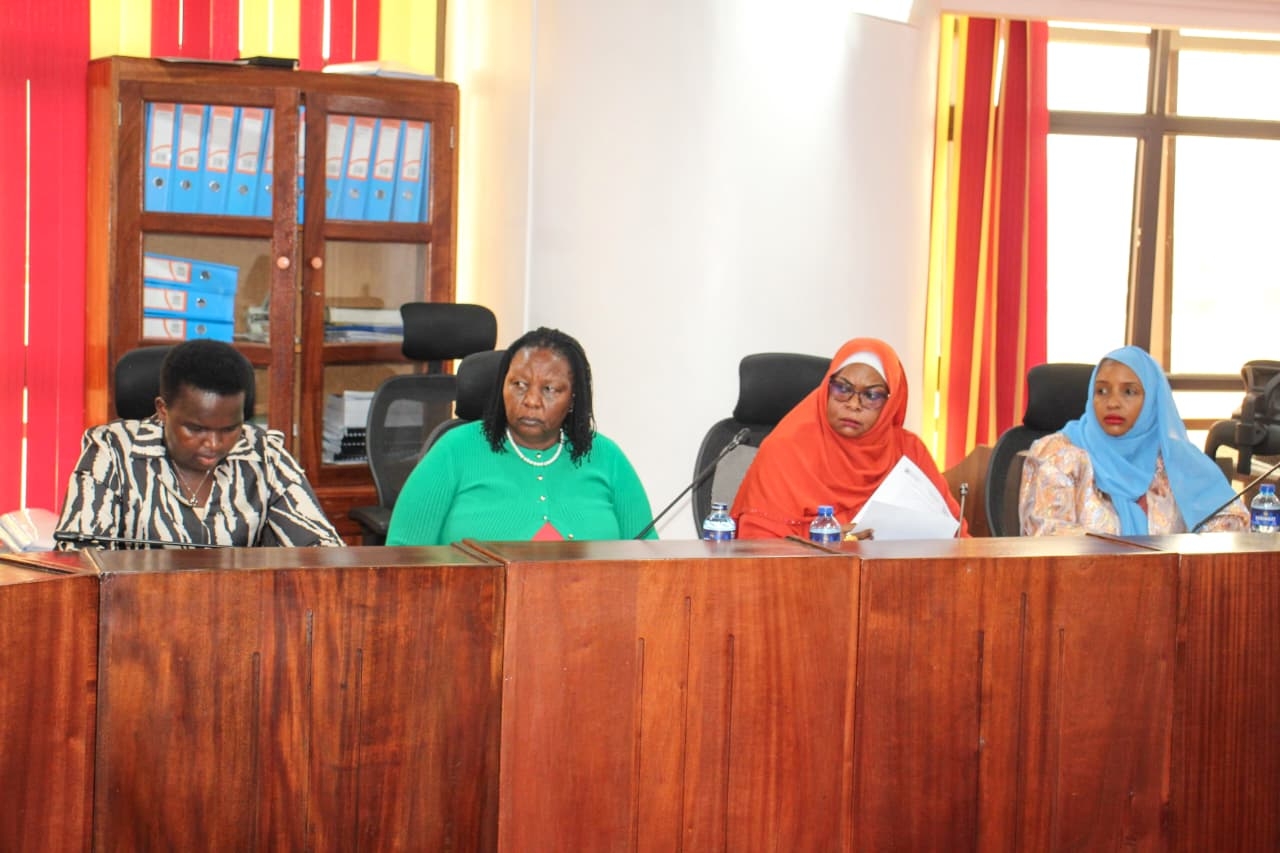
Some time back in Kenya, a woman’s place was often believed
to be in the kitchen, the church choir, or at the women’s chamas.
Decades later, that outdated belief has been fundamentally
challenged and overturned.
In a sharp and deliberate shift, especially in the past
three years, President William Ruto’s administration has firmly demonstrated
that a woman’s place is no longer confined to the kitchen or any other low-key
corners of life.
This transformation has been achieved by deliberate efforts
to elevate women into leadership positions in the Judiciary, diplomacy,
security, and other critical sectors of public service.
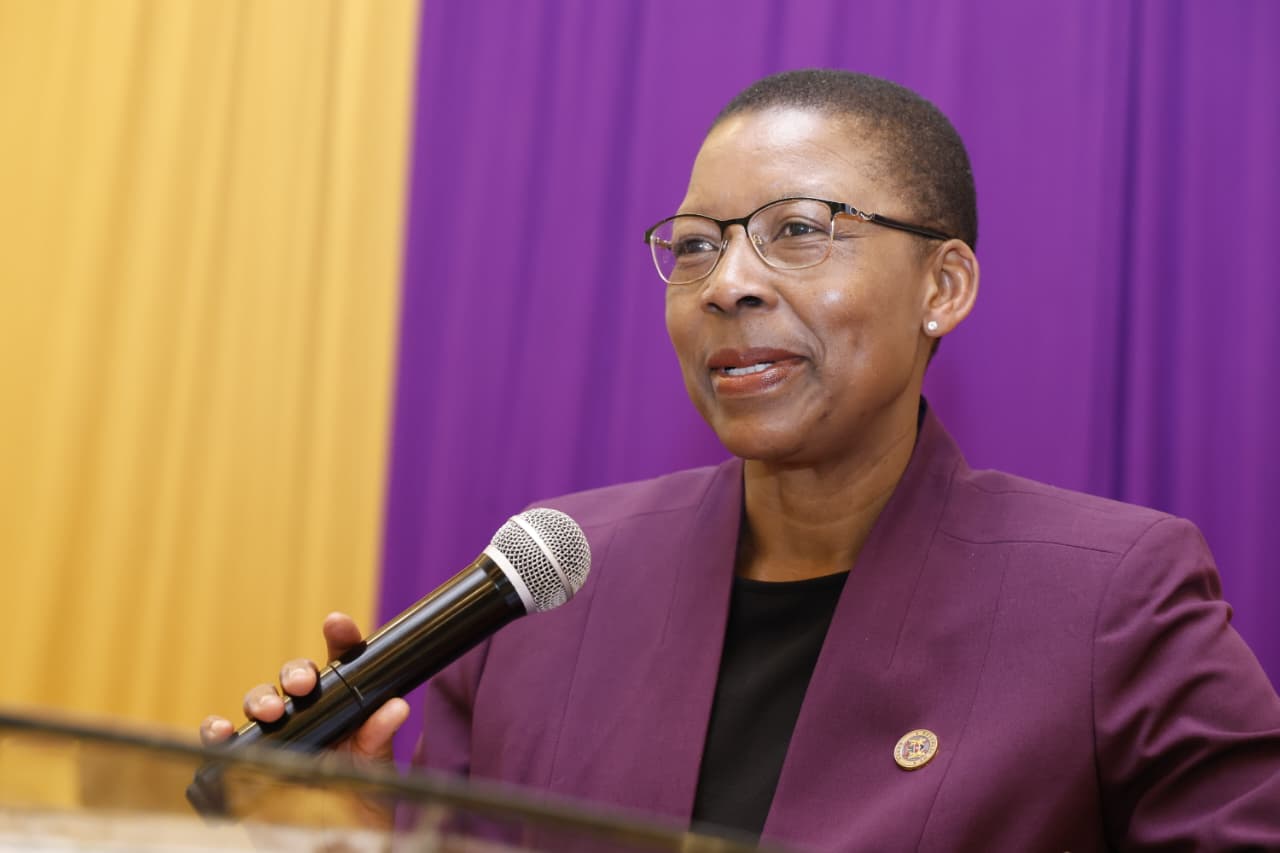
It is a clear fulfilment of a core campaign promise. While
not all goals have been fully achieved, significant milestones have been
reached, marking tangible progress toward gender parity.
During the 2022 General Election campaigns, President Ruto
launched the Kenya Kwanza Women’s Charter, pledging to implement the
constitutional two-thirds gender rule and ensure equal opportunities for women
in governance.
This included
commitments to achieve gender balance in Cabinet appointments and to promote
women into senior government roles.
The rationale was multifaceted: acknowledging women’s
contributions, correcting historical underrepresentation, and leveraging the
vast talent pool of women in the country.
Placing women in charge of traditionally male-dominated
sectors such as defence, security, and diplomacy sends a powerful message of
inclusion and progressive governance.
Article 27 of Kenya’s Constitution provides that no more
than two-thirds of members in elective or appointive bodies shall be of the
same gender.
Civil society groups, women’s organisations, and gender
equality activists have long called for the enforcement of this provision.
So far, the administration has made landmark appointments.
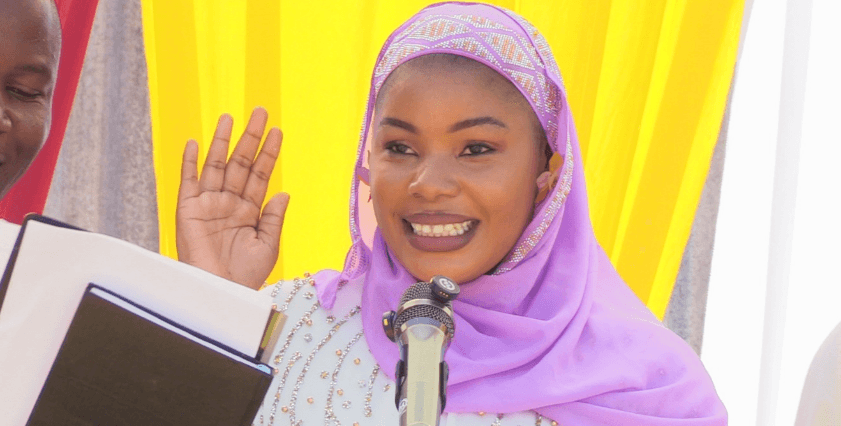
In July 2024, President Ruto nominated Dorcas Agik Oduor as Kenya’s first female Attorney General. She was vetted by the Committee on Appointments and sworn in the following month.
This broke a historical barrier, as no woman had ever held
the senior legal position. Oduor’s extensive experience in public prosecution
and legal affairs earned her this coveted role.
That same year, Soipan Tuya was sworn in as Cabinet
Secretary for Defence, succeeding Aden Duale.
The Defence Ministry is traditionally considered a tough, male-oriented portfolio. Few women have served in this capacity, among them Raychelle Omamo, the first woman to hold the position.
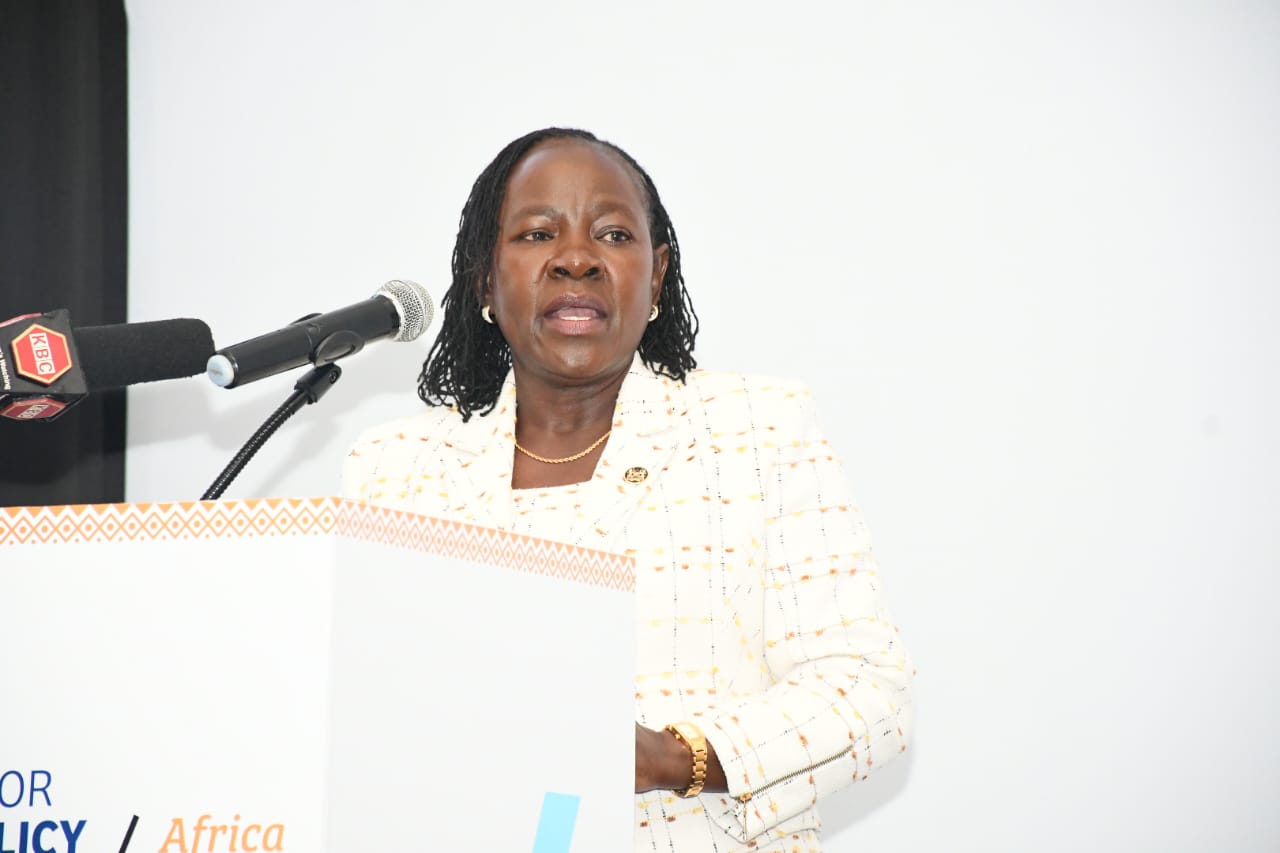
Tuya’s appointment was groundbreaking, not only because of
gender but also because she represents the Maasai community, further enhancing
regional representation.
Earlier in 2024, President Ruto appointed 10 women as
ambassadors and 6 as deputy ambassadors to foreign missions.
While women have historically served in diplomacy, these
appointments significantly increased their numbers and visibility, particularly
in previously male-dominated postings.
The move coincided with International Women’s Day
celebrations, underlining the administration’s deliberate push toward gender
equality in foreign service.
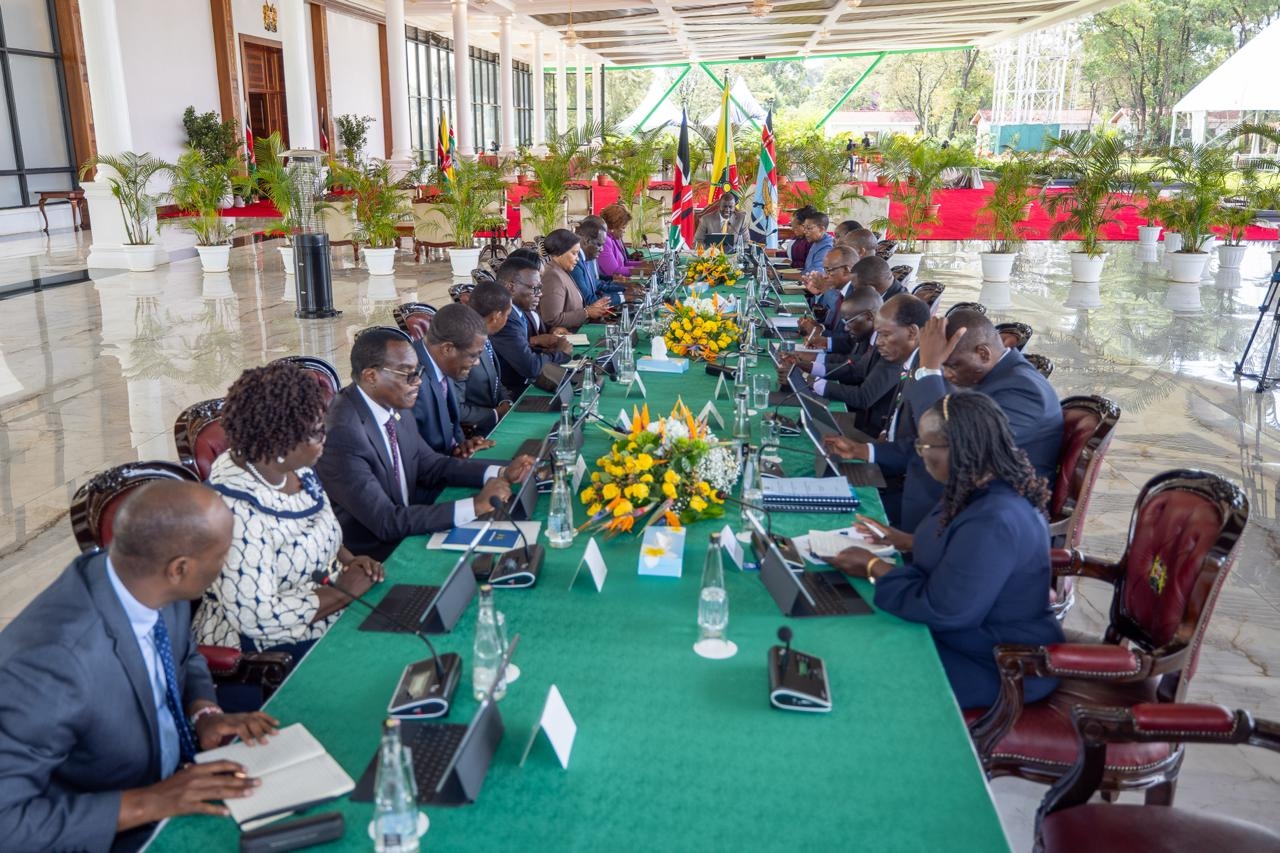
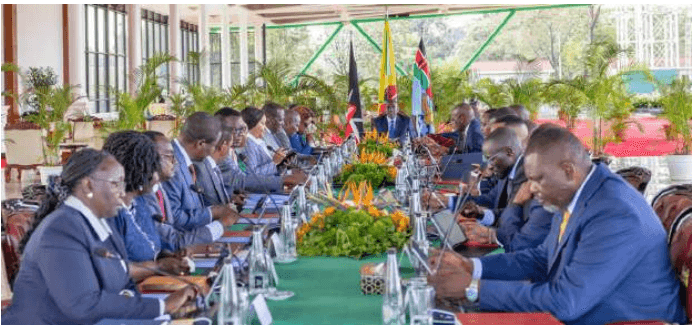
In his initial Cabinet appointments of September 2022, and
again during the 2024 reshuffle, the President ensured women were placed in key
ministries, including those traditionally dominated by men.
These appointments
aligned with both the Kenya Kwanza manifesto and the Women’s Charter.
Beyond Cabinet, women were appointed to influential advisory
and supervisory roles soon after the administration assumed power.
Positions such as Women’s Rights Agency Advisor, National
Security Advisor, and Secretary to the Cabinet placed women at the heart of
national decision-making.
These appointments are not symbolic gestures but tangible
steps that affirm the President’s commitment three years into his five-year
tenure.
Another landmark came with the appointment of Dr. Esther
Muoria as Principal Secretary in the State Department for Technical and
Vocational Education and Training (TVET).
Her leadership in reforming the TVET curriculum and championing women’s participation in STEM fields reflects a bold stride toward gender equality in technical education.
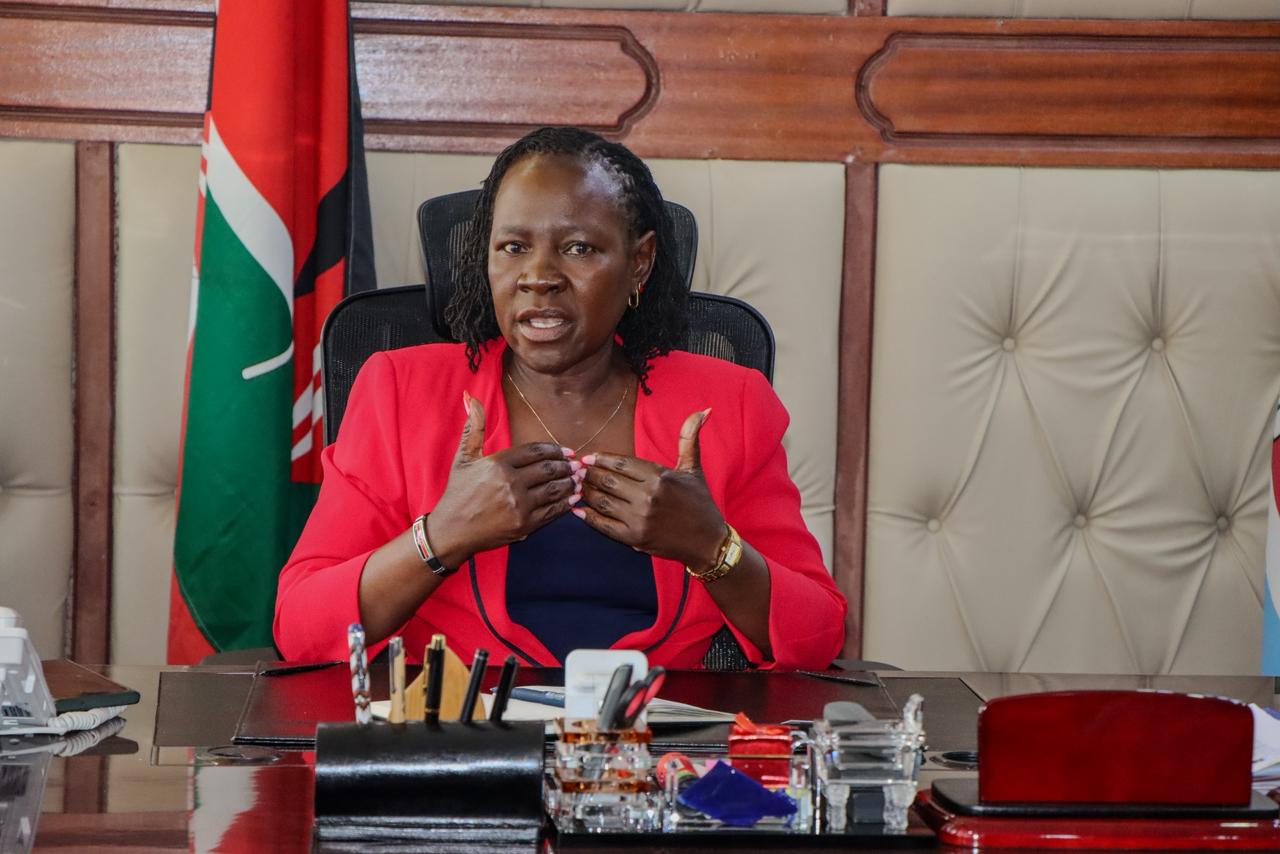
The government has also advanced women in military
leadership, increasingly promoting them within the Kenya Defence Forces (KDF)
to senior ranks.
Major General Fatuma Ahmed became the first female Commander
of the Kenya Air Force, a historic achievement later followed by her
appointment as a senior military advisor.
Major General Joyce Sitienei, currently serving as Vice
Chancellor at the National Defence University, also represents the rise of
women in security leadership.
Though Fatuma Ahmed was succeeded by Major General Bernard
Waliaula, her groundbreaking role continues to inspire.
These appointments and promotions are not only historic but
also signal a structural shift towards inclusive leadership across
government and public service.
They are both symbolic and substantive, breaking barriers
that had long excluded women from the highest ranks of decision-making.
Rahab Adhiambo works at the Office of Government
Spokesperson-Ke