THE fragile unity of Kenya’s opposition is once again under strain, raising
fears that internal fault lines could hand President William Ruto an easy ride
to a second term in 2027.
The
central question now is: could the isolation of former Interior Cabinet
Secretary Fred Matiang’i spell doom for the Kalonzo Musyoka–Rigathi Gachagua
axis that has been projected as the face of the coalition?
At
the heart of the looming implosion is the simmering tension between DCP party
leader Rigathi Gachagua and Matiang’i, who recently confirmed for the first
time that he would contest the presidency on a Jubilee Party ticket.
What
began as a hushed rivalry over influence in the opposition’s inner sanctums has
now spilled into the open, exposing the cracks in the once-promising alliance.
For
weeks, signs of Matiang’i’s marginalisation have been visible.
The
former powerful Cabinet Secretary, once touted as a technocrat who could inject
fresh energy into the coalition, has been systematically frozen out of major
opposition activities.
On
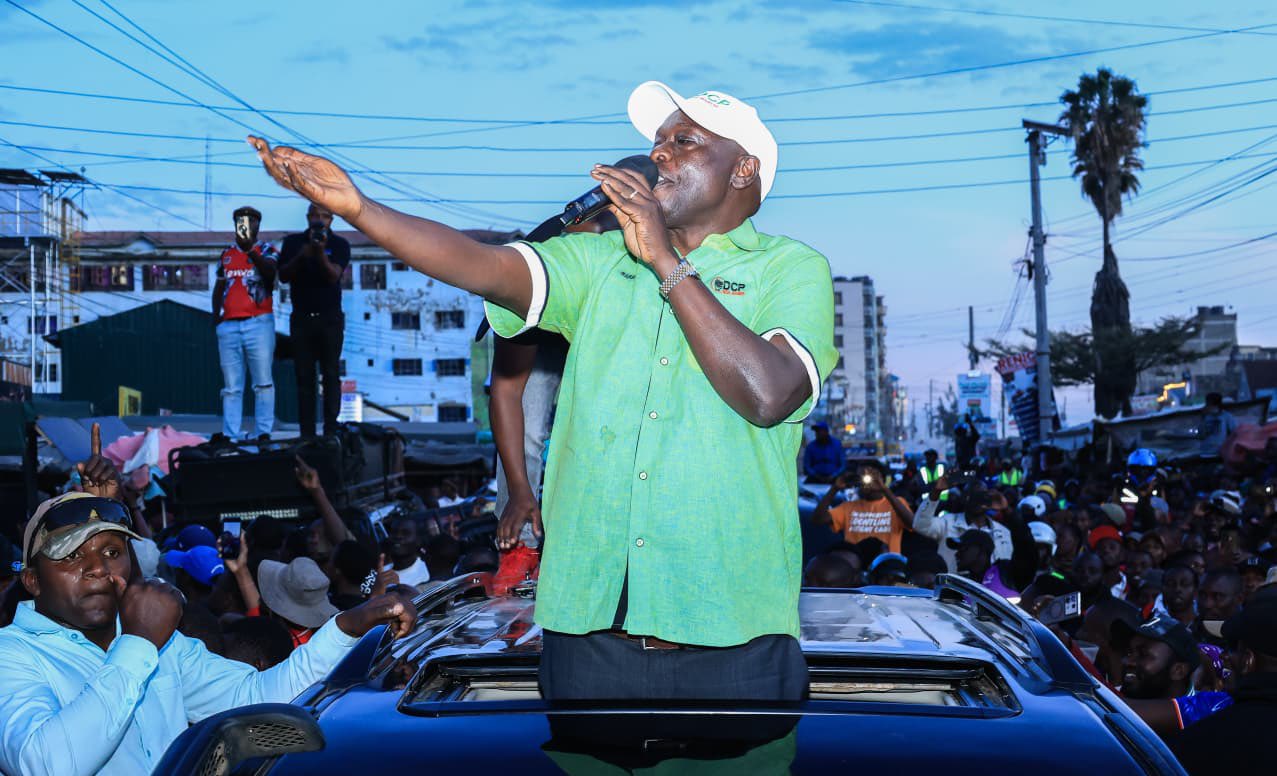
Friday, while the opposition luminaries rallied together in Kajiado—Gachagua,
Kalonzo and Eugene Wamalwa—Matiang’i was nowhere in sight.
Instead,
he quietly made an appearance in Nakuru.
His absence from the high-profile Kajiado
rally was conspicuous, especially since even his image was missing from official
posters and social media banners.
Many interpreted this as a deliberate move to
edge him out.
The
sidelining reached a new level last month when Gachagua, speaking during a
church service in Kajiado, unveiled a list of five opposition leaders he claimed
could not betray the movement.
The
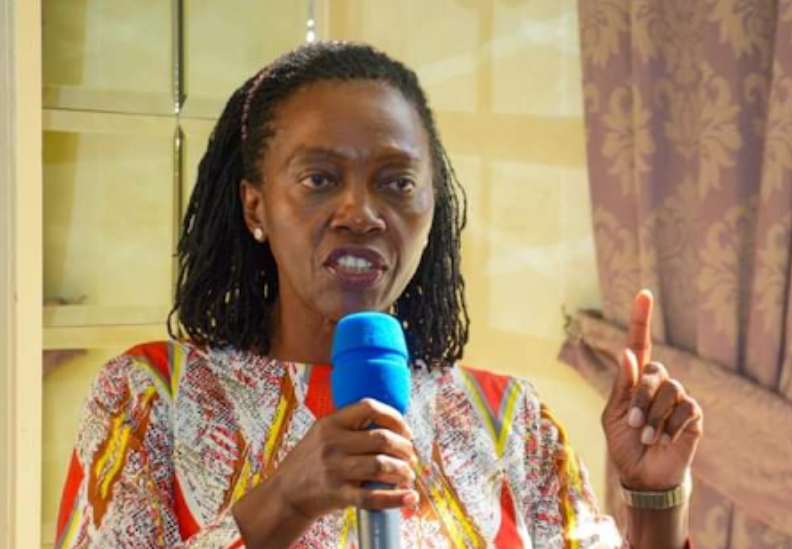
names he cited—Kalonzo, Karua, Wamalwa, George Natembeya, and himself—pointedly
excluded Matiang’i.
“Between
myself, Kalonzo, Eugene Wamalwa, Martha Karua and George Natembeya, those five
leaders cannot betray the people of Kenya. Among us we will agree on one
person to face William Ruto,” Gachagua said, drawing loud applause from the
crowd.
DCP deputy party leader Cleophas Malala has since doubled down, accusing
Jubilee—the party carrying Matiang’i’s 2027 bid—of plotting to divide the
vote-rich Mount Kenya region.
The
biggest risks lie in Gusii and Mount Kenya votes.
The
Gusii region, where Matiang’i draws his strength, boasts nearly one million
votes.
In
the last election, Raila Odinga garnered solid support from the community, especially
because the region had no presidential candidate.
If
Matiang’i bolts out or runs a parallel campaign, analysts warn, the opposition
could hemorrhage votes there.
Embakasi
North MP James Gakuya was blunt: “I am not worried at all because Matiang’i
will only split votes from the Kisii region. I am totally confident that Mt Kenya votes will not split because Uhuru Kenyatta has picked a different
candidate.”
Yet,
others are less dismissive.
Former President Uhuru Kenyatta’s lingering
influence through Jubilee means that if Matiang’i is sidelined, his supporters
could drift away, weakening the bloc’s overall numbers.
According
to IEBC’s 2022 register, Kisii and Nyamira counties together command about
960,000 votes, while the ten Mount Kenya counties hold a staggering 3.1
million.
That
sheer weight makes Gachagua’s position as “the face of the Mountain” central to
the coalition’s arithmetic—but it also makes any divisions catastrophic.
Multimedia
University don Prof Gitile Naituli cautions that Jubilee is unlikely to
penetrate Mount Kenya deeply, arguing the region has already learned from its
experience with President Ruto.
“What happened in the Mountain is that they
trusted somebody who is not one of them. He let them down very badly. It is
unlikely they can trust another outsider,” he said.
Machakos
Deputy Governor Francis Mwangangi echoed the same sentiment: “I am not seeing
Central Kenya get divided. At the right time they will do the right thing. Mt Kenya will follow their leader.”
Matiang’i’s
allies, however, insist the sidelining is politically motivated and not
reflective of his popularity.
Jubilee secretary general Jeremiah Kioni said during a radio interview that the rest of
the coalition principals fear Matiang’i’s growing influence.
“United
opposition is afraid of Fred Matiang’i and that is why it is propagating the
narrative that Jubilee is working with the government,” Kioni said.
Former
Nyeri Town MP Ngunjiri Wambugu was even sharper, dismissing the “project” tag.
“Gachagua,
who only joined the opposition recently after being kicked out of government,
now believes he is the gatekeeper of who legitimate opposition is and who is
not. We will not be intimidated with chest thumping,” he stated.
Observers
now warn that the festering rivalry could derail the coalition’s chances of
dislodging President Ruto.
Naituli cautions that figures such as Malala are worsening the rift:
“There are two people who should be controlled. If they are not, they can
actually undermine the unity.”
The
fear is that while Mount Kenya may stay intact behind Gachagua, the opposition
risks losing Gusii, where Matiang’i remains influential.
If
the coalition’s strategy is to combine Mount Kenya, Gusii, and the Ukambani
votes under Kalonzo, alongside Nyanza’s traditional support, then even a minor
fracture could tip the scales in Ruto’s favour.
In
2022, Raila lost to Ruto by a mere 200,000 votes in a hotly contested poll.
Deputy
Governor Mwangangi suggested a path forward: allow each opposition party to
market its brand without undermining others.
“All
the opposition parties are in agreement that each one markets his or her entity
and at the end we will come to the table and agree on the rest,” he said.
If
the coalition cannot reconcile its leaders and create space for all players,
then its unity message may collapse under the weight of ego battles.
And
with Ruto consolidating state machinery and his Rift Valley base and Raila’s
support, the opposition can ill afford disunity.
INSTANT ANALYSIS
Analysts warn that with voter
registration ongoing and political parties already activating grassroots
structures, the opposition cannot afford distractions. Any perception of
disunity could dampen enthusiasm among supporters, particularly in swing
regions where Gachagua and Matiang’i both seek influence. The coming months
will be decisive. If coalition leaders fail to rein in the two egos and forge a
common front, the Gachagua–Matiang’i clash may well be remembered as the moment
the opposition squandered its best shot at power.