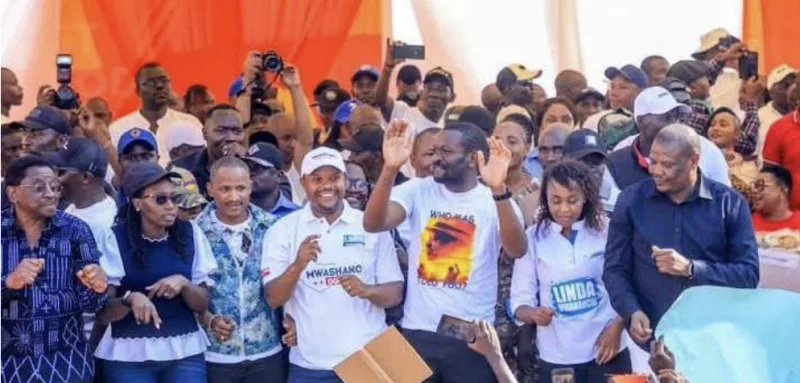
Raila Odinga is reigniting his base, the ODM strongholds. In a subtle strategy, the party is celebrating 20 years of existence. However, beneath the veneer is a careful roadmap to push the party ahead of the pack. The month-long festivities will culminate in a jamboree in Mombasa lasting three days from October 10 to 12.
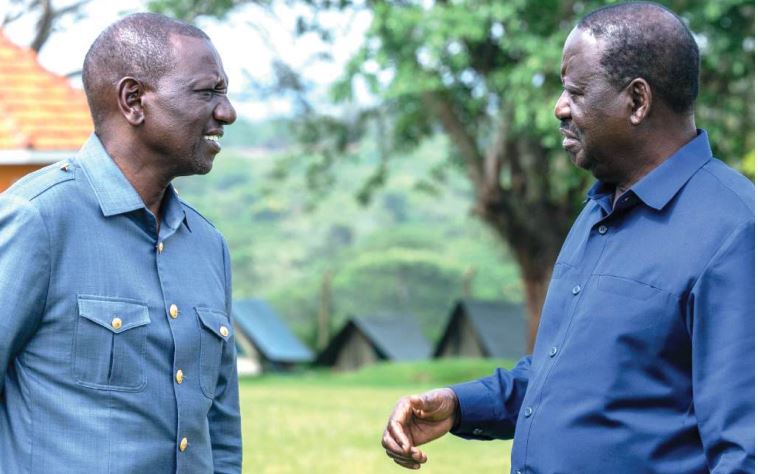
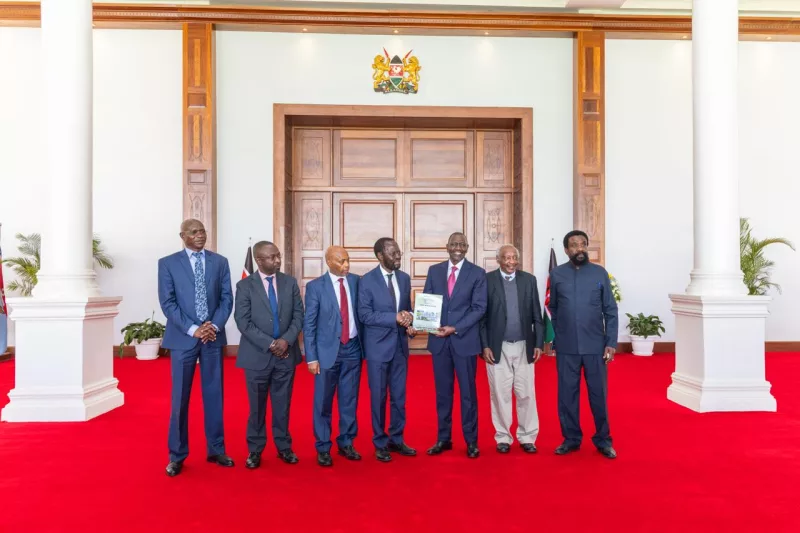
The event is coming up at a time the country is going to hold 23 by-elections to fill vacancies arising from deaths and resignations. The by-elections in themselves will test the strength of the Raila-Ruto unity within the Broad-Based Government arrangement. The activities got flagged off by the meeting of ODM’s Central Management Committee that reaffirmed its support and commitment to the party leader in the implementation of the nine-point agreement between UDA and ODM.
On Monday, September 22, the party’s Parliamentary Group held a consultative retreat in Machakos. The highlight was that the agreement with President William Ruto and UDA has a shelf life. Raila declared the agreement will expire in 2027 and nobody has decided that ODM will not field a presidential candidate.
The announcement was baffling considering that some of Raila’s close associates have been vocal in the clarion call of “Tutam”, indicating support for a second term for Ruto. All pointers have been that Raila would shelve his presidential ambitions and form a pre-election coalition pact with Ruto. This was to assure Ruto of victory for his second term and influential Cabinet and other key slots for Raila’s allies in the government.
Raila, being the enigma of Kenyan politics and being known as the ‘Riddle Man’, has been using alternative proxies to send mixed signals. At the onset of the Kenya Kwanza administration, Raila and his Azimio la Umoja colleagues led countrywide street protests against the increasing high cost of living. This was occasioned by the introduction of taxes to finance ambitious Ruto projects. At the same time, the Treasury claimed the country had a huge debt burden that had fallen due and required servicing.
Then deputy president Rigathi Gachagua sensationally claimed that the departing Uhuru Kenyatta regime had literally looted government coffers. He claimed to have evidence that cash was being ferried in gunny bags to awaiting helicopters at Wilson Airport. The biting economic crisis was easy fodder for youths to join the opposition protests. However, through pressure from the international community and the religious leaders, Raila mellowed and gave way to dialogue. A bipartisan parliamentary committee was established that brought forth the National Dialogue Committee report. It proposed a raft of recommendations that were to address the systemic political and economic challenges through legislation.
Before the dust could settle, however, all hell broke loose as the next Finance Bill was bitterly opposed by the public. In an unprecedented demonstration of anger, young people of all walks of life poured into the streets to express their outrage at the tax proposals. They overran the security agencies and almost toppled governance institutions by first storming Parliament, vandalising and setting bonfires in a section.
The Gen Z revolution, as it came to be known, was a political watershed for the country. It forced Ruto to shelve the planned tax regime and dissolve his Cabinet. When he reconstituted his administration, he had reached out to Raila and included key leaders of ODM in the government. Then Gachagua was impeached, after he had broken ranks with his erstwhile partner and was suspected of overtly supporting the mayhem. The parliamentary leadership in both the National Assembly and Senate was reorganised and Gachagua’s sympathisers dethroned. The frenzied homecoming parties for the ODM ministers that followed provided platforms for extolling the virtues of the new government outfit.
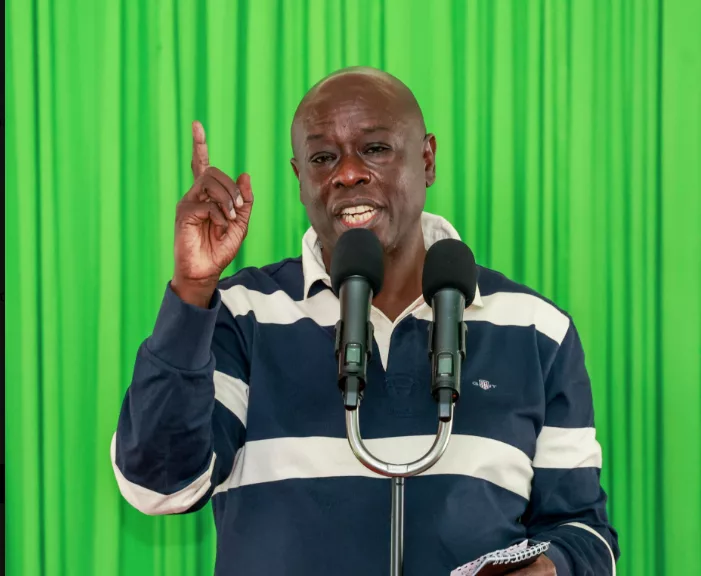
It was during this period that some discordant voices began to emerge. Opposition to the broad-based arrangement coalition came not only from renegade leaders of the ruling Kenya Kwanza coalition but also from within the ODM Party. Reservations were voiced by ODM stalwarts led by Governors Anyang’ Nyong’o of Kisumu and James Orengo of Siaya, Senators Edwin Sifuna and Richard Onyonka, as well as MPs Otiende Amollo and Babu Owino. They claimed fears of ODM being weakened and abandoning its principles] were founded on the track records of Ruto and his associates. Further, they claimed ODM risked sharing in the failures of the government.
Soon ODM party hawks were deployed to contain the growing dissent. The would-be party rebels found themselves on the receiving end during public events in Nyanza. Matters were helped by the candidature of Raila for the chairmanship of AU Commission. Ruto mobilised his colleagues across the continent to vote for him using his extensive government machinery. It thus became increasingly difficult to oppose the bromance between Raila and Ruto in ODM-dominated regions. During Raila’s AU campaign, Nyong’o was made acting party leader and Orengo got some development projects for pacification.
Once Gachagua lost out in the partnership with Ruto, he embarked on the path to recreate himself and build new political fortunes. In the course, he formed his own Democracy for Citizens Party (DCP) and teamed up with the sulking Azimio principals to establish a united opposition movement. Their “Wantam” clarion quickly pushed their former ODM partners to the defence. By default, it then became ODM’s responsibility to defend the government. Ruto started routine visits to Nyanza to woo Raila’s supporters and consolidate his support beyond the Mt Kenya region. In the wake of his forays, many development projects were pledged, launched and some completed in record time. The officials of UDA and ODM regularly shared podia and went to great lengths to justify the virtues of the new coalition. They coined the “Tutam” mantra in response to Gachagua team’s “Wantam”.
The push for Ruto’s second term was as loud within the ODM ranks as it was in UDA. Kenyans were led or misled to conclude that ODM would naturally join UDA in a pre-election coalition agreement and cast their lot with Ruto as the candidate. It is these ODM internal contradictions in its leadership that pundits find consistent with vintage Raila. History has proved that Baba will always seek to remain in control of the outfit in which he is a player. At the same time, he will at all times strive to be on the side of the masses. This streak has enabled him to negotiate space within every government since 1997 elections.
If he should remain true to his known character and practice, then the pronouncements at Machakos should be taken at face value. On the other hand, if he chooses not to run, then it will be only the second and maybe last time that he misses out on a presidential ballot. There is no guarantee of a joint candidature between UDA and ODM in the 2027 elections. The presence of Ruto and Kalonzo Musyoka at ODM’s 20th anniversary celebrations, as founder members, will strengthen Raila’s position as the first among equals. It will also help Ruto continue to enjoy breathing space, with Raila closer to him than the opposition as he navigates the terrain towards 2027. This makes the 2027 political environment dicey.
Ochieng’ Kanyadudi is a Political and Policy Analyst

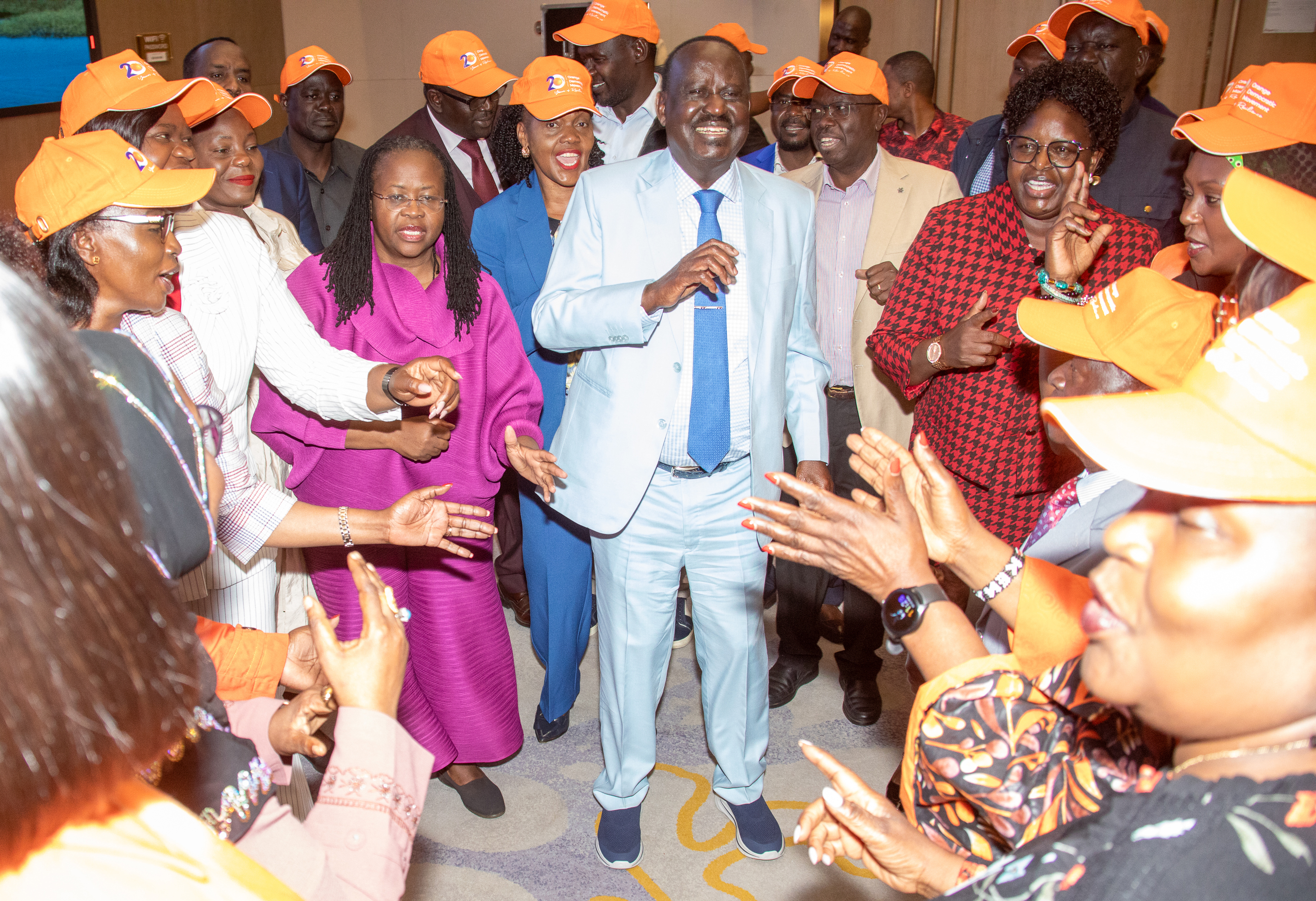
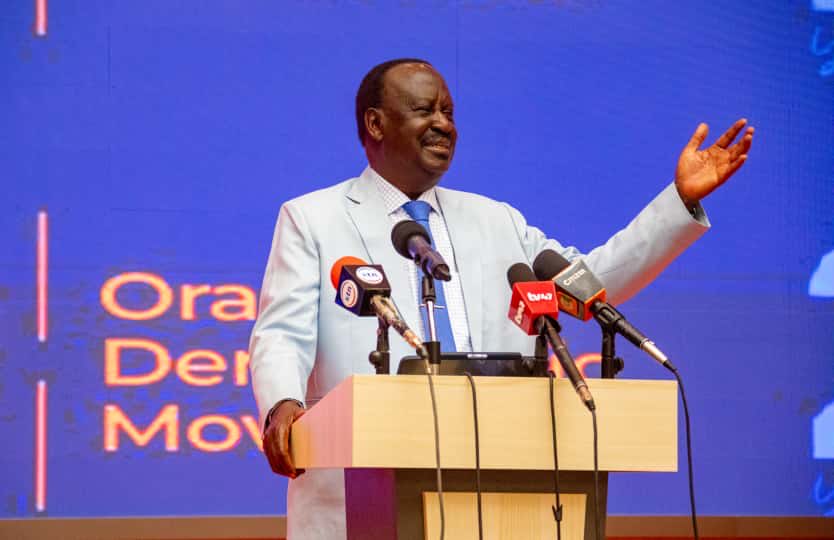 ODM leader Raila Odinga during the party Parliamentary Group Meeting in Nairobi /EMMANUEL WANSON