A new audit has flagged systemic failures across the
country’s public hospitals, revealing a healthcare system plagued by financial
mismanagement, inadequate staffing and severe shortages of essential equipment
and services.
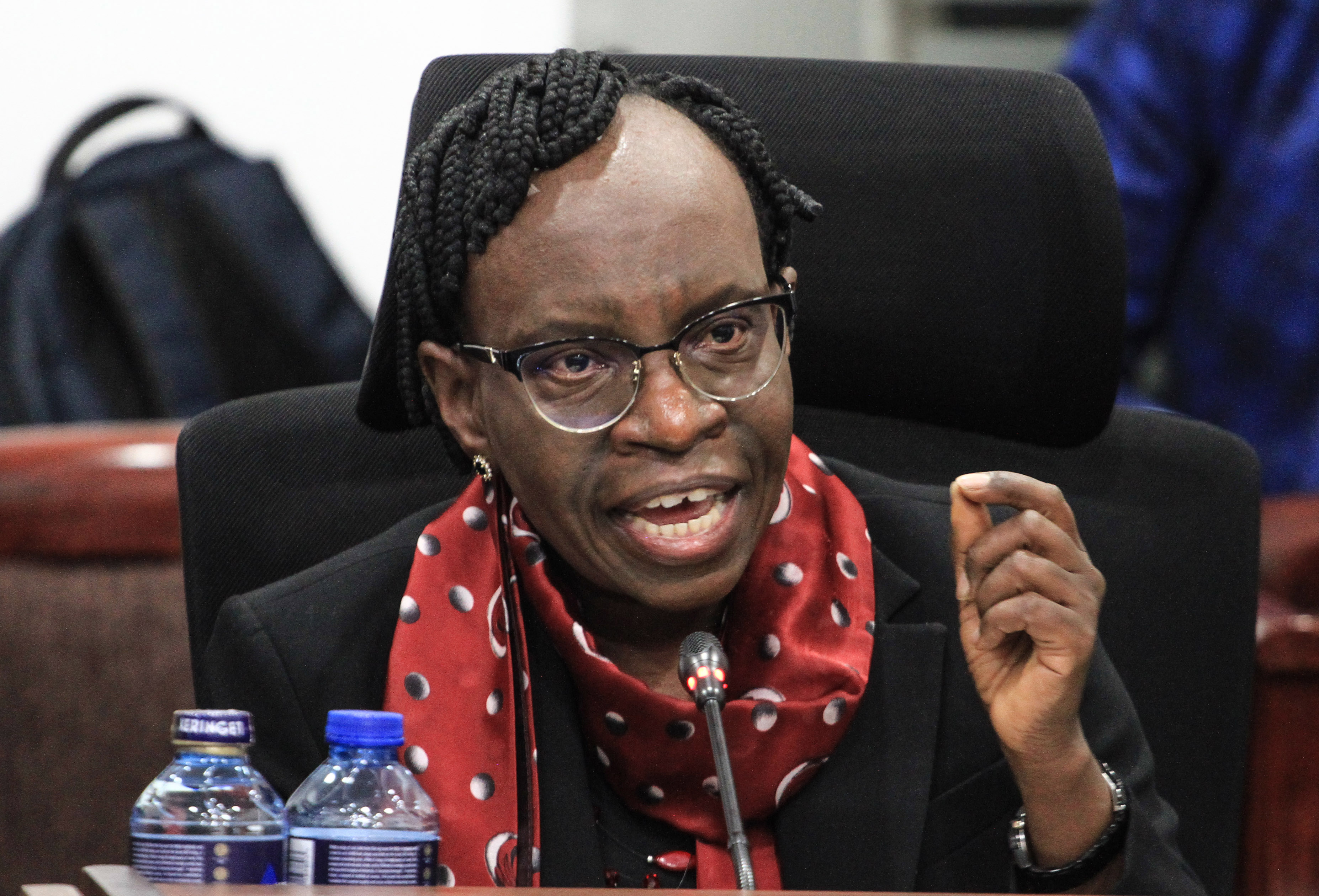
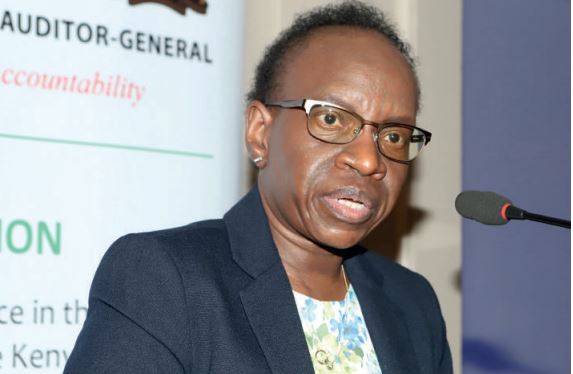
The review by Auditor General Nancy Gathungu for the period
covering June 30, 2025, paints a troubling picture of institutions struggling
to fulfil their mandates despite massive public investment.
Beyond financial mismanagement, the audit revealed severe
deficiencies in service delivery, particularly in relation to Universal Health
Coverage (UHC) benchmarks.
Top of the list is staffing shortages.
Level 4 hospitals require 101 staff members each, including
16 medical officers and specialists such as surgeons, paediatricians and
radiologists.
However, 176 hospitals reported a collective shortage of
12,089 healthcare workers.
Level 5 hospitals fared no better, with 10 hospitals
reporting a shortage of 1,207 staff against a requirement of 3,230.
The report says Mandera County Referral, Kayole II,
Msambweni and Mtwapa subcounty hospitals had no staff at all. A majority had
three staffers to 50 staffers.
Lodwar, Wajir, Longisa, Kapsabet, Kapenguria, Vihiga, Siaya,
Makueni, Lamu, Webuye and Iten county referral hospitals were the only ones
that had more than 90 staff members.
For Level 5s, the optimum number is 323, but some, like
Garissa county referral, had only 67 staffers in place, 130 in Samburu, 150 in
Isiolo and 171 at Bungoma county referral hospital. The facilities had a total
shortfall of 1,207 workers.
The report further revealed that many hospitals are unable
to provide basic services, including to children seeking treatment at the
facilities.
It emerged that 54 did not offer surgical services, 51
lacked paediatric services, 51 had no gynaecology services, 54 did not provide
radiology, 73 lacked renal dialysis services, while 43 did not offer
tuberculosis management.
The audit further lifted the lid on the inadequate
infrastructure in county hospitals, with bed capacity falling far short of
requirements across the board.
Level 4 hospitals should have 150 beds each, but 126
hospitals had only 6,231 beds against a required 18,900, leaving a deficit of
12,669 beds.
Level 5 hospitals, which should have 500 beds each, reported
a shortage of 1,638 beds across seven facilities.
The most serious shortage was reported at Samburu Teaching
and Referral Hospital.
Pumwani Maternity, Nyeri, Meru, Mbagathi, Isiolo and Garissa
Level 5 hospitals also reported severe shortages ranging from 171 beds to 357
beds.
The auditor further flagged inadequacies in medical
equipment, with some hospitals emerging as having critically short supplies.
Level 4 hospitals should have at least five incubators and
five cots in newborn units, but 147 hospitals had only 278 against a required
1,360.
Level 5 hospitals lacked sufficient ICU and HDU beds,
operational theatres and newborn incubators, severely limiting their ability to
handle emergencies and specialised care.
Auditors also established that 14 hospitals lacked adequate
storage for pharmaceuticals, compromising drug quality and safety.
Some 13 hospitals failed to implement First Expiry, First
Out or First In, First Out systems, leading to avoidable drug expiries and
wastage.
STALLED PROJECTS
Twelve hospitals had stalled projects, including unfinished
theatres and hospital wards, denying the public the intended benefits and
wasting invested funds.
Kenyatta National Hospital, Kenyatta University Teaching, Referral
and Research Hospital, Jaramogi Oginga Odinga Teaching and Referral Hospital,
Kisii Referral Hospital, Mama Lucy, Mbagathi, Keringet and Siaya county
hospitals have been cited.
“Stalled projects are an indication that the public has been
denied benefits that would have accrued from the completed projects and that
value for money invested in the projects has not been realised,” Gathungu said.
Some 36 hospitals had idle assets, including medical
equipment and vehicles, lying unused despite pressing needs.
The audit uncovered many layers of financial irregularities.
While hospitals reported a combined budget of Sh71.36 billion, they spent only
Sh67.88 billion, resulting in an under-expenditure of Sh3.48 billion.
Gathungu argued that the situation suggests that planned
activities, potentially including critical service delivery and maintenance,
were not carried out, directly impacting public health services.
At the same time, seven hospitals overspent their budgets by
more than 50 per cent, with Embu Level 5 Hospital exceeding its budget by a
shocking 243 per cent.
“Such over-expenditure without approval violates public
finance laws and points to poor budgetary control,” the auditor general said.
Revenue management was another area of failure. It emerged
that Sh955 million collected by 19 hospitals was never transferred to the
County Revenue Fund, as required by law.
Another Sh214 million remained unaccounted for, while
uncollected revenue stood at Sh11.35 billion.
“These gaps not only reflect weak internal controls but also
deprive the health system of much-needed funds.”
Gathungu further highlighted a near-total breakdown in
internal controls and governance structures.
The audit established that 75 hospitals failed to maintain
updated fixed asset registers, making it impossible to track public investments
in land, buildings and medical equipment.
Another 80 hospitals lacked title deeds for the land they
occupy, exposing them to legal and ownership disputes.
Procurement irregularities were widespread, with the audit
revealing that nine hospitals operated without approved procurement plans,
while eight others exceeded their approved budgets in purchasing goods and
services.
“These violations of the Public Procurement and Asset
Disposal Act, 2015, raise serious concerns about value for money and the risk
of corruption.”
Perhaps most alarming is the absence of basic oversight
mechanisms, where it emerged that seven hospitals had no audit committees and
13 lacked effective internal audit functions.
Some 31 hospitals had ineffective Boards of Management, and
26 had irregularly composed boards, with the auditor saying that without the
structures, accountability is nearly impossible to enforce.
In her foreword, the auditor highlighted the recurring
nature of these issues and the lack of consequences for accounting officers.
She pointed to inadequate funding and tight audit timelines
as constraints on the office’s effectiveness, but also emphasised the need for
stronger oversight and enforcement.
The report recommends strengthening financial governance and
accountability mechanisms, enhancing capacity building for hospital management,
ensuring hospitals are adequately staffed and equipped, improving procurement
and inventory management and enforcing compliance with health service
standards.
INSTANT ANALYSIS
Audit of Level 4, Level 5 and Level 6 hospitals for the year
under review paints a mixed picture, one of progress in some areas and
persistent weaknesses in others. The findings are an indictment of a healthcare
system failing at multiple levels. From missing title deeds and expired drugs to
empty incubators and unpaid bills, the evidence points to a system where
accountability has broken down and patient care is compromised. As the country
strives toward UHC, these findings underscore an urgent need for structural
reforms, political will and sustained investment in both infrastructure and
governance. Without decisive action, the promise of quality healthcare for all
Kenyans will remain out of reach.