The National Treasury has moved to rein in governors, who have
long been accused of presiding over chaotic and corruption-ridden procurement
processes in their administrations.
Treasury CS John Mbadi has insisted on
rolling out the new electronic procurement system (eGP), despite protests from
governors, MPs and even a High Court order suspending its mandatory use.
The system requires all state agencies, including counties,
to upload bids electronically, making them publicly accessible.
President William Ruto has championed the shift, saying it
will “enhance transparency and accountability”.
Controller of Budget Margaret Nyakang’o confirmed the
Integrated Financial Management Information System (Ifmis) has been
reconfigured to automatically block manual procurement uploads.
Since eGP is tied to Ifmis, counties are effectively locked
out of manual processes.
“No LPOs (Local Purchase Orders) or LSOs (Local Supply Orders)
are being processed because the system is locked. It is not accepting manual
orders,” she said.
Revelations of chaotic procurement driven by favours,
bribery and proxy companies have characterised the awarded tenders across the
counties.
Often, genuine bidders are dropped on flimsy grounds to pave
the way for proxy and friendly companies that continuously win tenders.
While the governors are not directly involved in procurement
according to the law, they are accused of instructing officers who should be
responsible for awarding tenders.
Top county officers responsible for procurement, such as the
chief officers and the head of supply chains, are appointed either by the governors
or their appointments are influenced by them.
In the past, governors have been convicted of influencing
the awarding of tenders to companies owned by their family members and proxies.
Former governors Ferdinand Waititu (Kiambu) and Moses Lenolkulal
(Samburu) have been convicted of graft cases involving conflict of interest.
“We are aware that counties are autonomous, but
e-procurement is not about taking away their powers. It is about ensuring
resources are used effectively,” Mbadi said last week.
This lockout has paralysed county operations, with devolved
units unable to procure even essential goods such as medicines since the start
of the financial year.
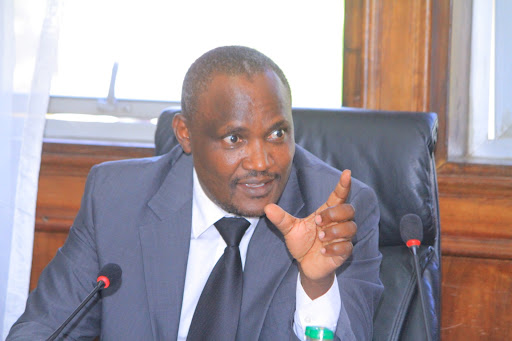
Bungoma Governor Kenneth Lusaka confirmed the crisis, “Yes,
things are paralysed.”
Nyakang’o said county officers are only allowed to
handle petty cash transactions of up to Sh100,000.
“They can only deal with small values, up to Sh100,000.
Beyond that, no commitments are possible,” she said.
Governors argue the rollout has crippled service delivery,
particularly in healthcare.
“I can’t procure medical commodities. Suppliers have stopped
delivering and we’ve been relying on their goodwill,” a governor from
Northeastern Kenya said.
On Tuesday, Nyakang’o approved the disbursement of Sh33.2
billion to counties for August, but the funds cannot be used for procurement.
Currently, counties are only paying salaries and pending bills.
This came barely a month after the Treasury released a
similar amount to the devolved units for July.
“Many of them are doing salaries and payables in the
meantime, but no new commitments can be made until the stalemate is resolved,”
she explained, noting national government ministries are also affected.
The Council of Governors has demanded Treasury suspend
the rollout of the system, warning that only three of the 47 counties
participated in the pilot phase—and all reported major failures.
“If it is not working, it is not working. Don’t push it down
our throats,” Mandera Governor Mohamed Abdullahi said.
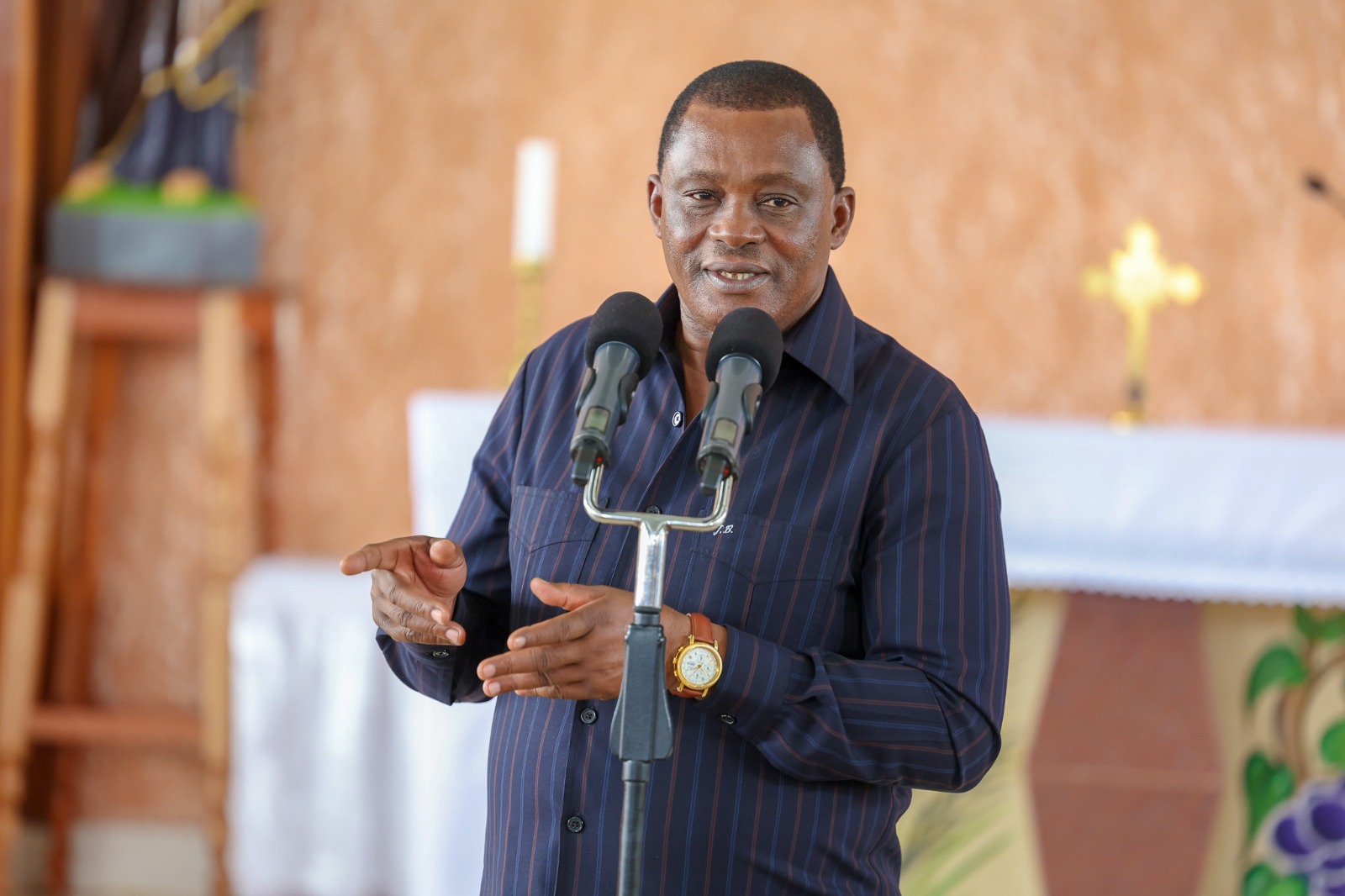
Nyeri Governor Mutahi Kahiga added, “We have no issue with
e-procurement, but we cannot be forced to use a clearly dysfunctional system.”
Mbadi has defended the rollout, arguing that manual
procurement—used for decades—has been a hotbed for corruption, favouritism and
proxy companies.
“We are aware that counties are autonomous, but
e-procurement is not about taking away their powers. It is about ensuring
resources are used effectively,” he said.
Mbadi cited Treasury and Head of Public Service circulars as
the legal basis for the transition.
“We are not ignoring court orders or resolutions of the
National Assembly. We are implementing e-procurement. The manual system can
wait,” he said.
The CS noted that the E-procurement system, already in use
by several government departments, including State House, has proven effective
in tackling challenges such as pending bills.
President Ruto has backed Mbadi, saying procurement
corruption drains more than 40 per cent of public funds.
“We will correct the teething challenges, but the ultimate
goal is to ensure Kenyans get value for every shilling spent,” he said.
“Many people are used to getting corrupt tenders,
something worth Sh2, we buy for Sh10 as a government because
of corrupt procurement there with quotations and so on.”
“We have said we are putting this e-procurement in place, so
that everybody can know how much an item was bought for and who sold it to the
government. And why did the person with Sh2 not get that tender, but
the person with Sh10 did? That is what we want to do,” the President
added.
For now, however, counties remain in limbo—restricted to
paying salaries and pending bills while waiting for a breakthrough in the
procurement standoff.
INSTANT ANALYSIS
The government argued that the implementation and use of the
eGP system will result in reduced cost of goods, works and services. Others are increased
transparency in procurement processes and practices, improved efficiency in
procurement by minimising the procurement cycle time, maximisation of value for
money and accountability. There will also be improved confidentiality and authentication of
transactions between procuring entities and suppliers, streamlined procurement
procedures across through the standardisation of processes and practices and
enhanced procurement information management that will facilitate procurement
planning, monitoring, evaluation and reporting.