Uncontrolled high blood pressure has put over a billion people at risk globally, says WHO
Uncontrolled high blood pressure claims more than 10 million lives every year
by ELISHA SINGIRA
Audio By Vocalize
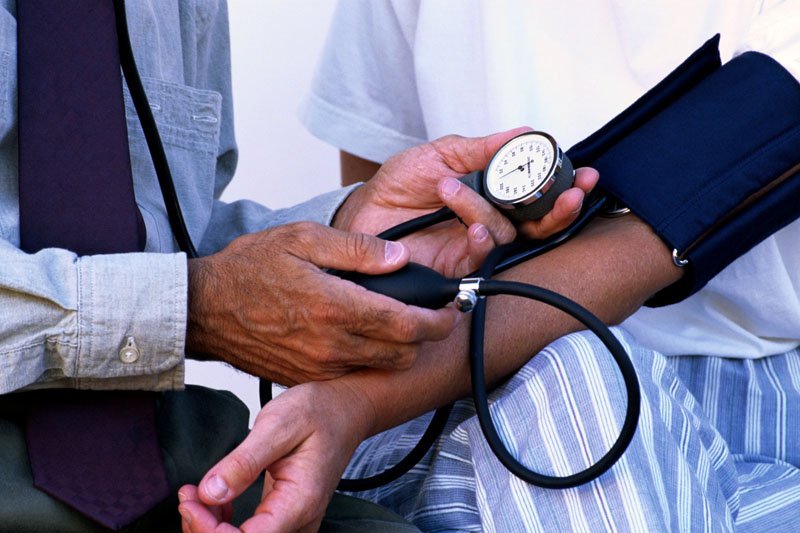
A report by the World Health Organization has revealed that uncontrolled
hypertension has put many people at risk across the globe.
The report released by WHO in collaboration with Bloomberg
Philanthropies and Resolve to Save Lives during the 80th United
Nations General Assembly has shown that 1.4 billion people lived with
hypertension in 2024, yet just over one in five have it under control either
through medication or addressing modifiable health risks.
The report further notes that only 28 per cent of low-income
countries report that all WHO-recommended hypertension medicines are generally
available in pharmacies or primary care facilities.
Speaking during the launch, Dr. Tedros Adhanom Ghebreyesus,
WHO Director General, said that political goodwill and commitment from countries
would help fight the ravages of hypertension.
He said, “Every hour, over 1000 lives are lost to strokes
and heart attacks from high blood pressure, and most of these deaths are
preventable. Countries have the tools to change this narrative. With political
will, ongoing investment and reforms to embed hypertension control in health
services, we can save millions and ensure universal health coverage for
all."
According to the WHO, hypertension is the leading cause of
heart attack, stroke, chronic kidney disease and dementia, albeit preventable
and treatable. However, the report says, without urgent action, millions of
people will continue to die prematurely and countries will face mounting
economic losses.
“Uncontrolled high blood pressure claims more than 10
million lives every year, despite being both preventable and treatable.
Countries that integrate hypertension care into universal health coverage and
primary care are making real progress, but too many low- and middle-income
countries are still left behind,” said Dr Kelly Henning, who leads the
Bloomberg Philanthropies Public Health Program.
She called for strong policies that raise awareness and
expand access to treatment since they are critical to reducing cardiovascular
disease and preventable deaths.
The WHO report has highlighted major gaps in hypertension
prevention, diagnosis, treatment, and long-term care.
Some of the key barriers noted
include; weak health promotion policies (on risk factors such as alcohol,
tobacco use, physical inactivity, salt and trans fats), limited access to
validated blood pressure devices, lack of standardised treatment protocols and
trained primary care teams, unreliable supply chains and costly medicines,
inadequate financial protection for patients and insufficient information
systems to monitor trends.
The report explores the barriers and strategies for
improving access to hypertension medication through better regulatory systems,
pricing and reimbursement, procurement and supply chain management and improved
prescribing and dispensing of these medicines.
“Safe, effective, low-cost medicines to control blood
pressure exist, but far too many people can’t get them,” said Dr Tom Frieden,
President & CEO, Resolve to Save Lives.
“Closing that gap will save lives —
and save billions of dollars every year.”
From 2011 to 2025, cardiovascular diseases–including
hypertension are projected to cost low- and middle-income countries
approximately US$ 3.7 trillion, equivalent to around 2% of their combined GDP.
This is premium content
Subscribe to Continue Reading
Help us continue bringing you unbiased news, in-depth investigations, and diverse perspectives. Your subscription keeps our mission alive and empowers us to provide high-quality, trustworthy journalism. Join us today to make a difference!