Kenya’s
political history is, in many ways, a long study in the art of divide and rule.
From the colonial period to the post‑independence era, fragmentation has been
the most reliable tool for those seeking to retain power.
No one perfected this
method more than President Daniel arap Moi. He understood that a united
opposition was the only real threat to his rule — and he spent 24 years
ensuring such unity never materialised.
Moi
inherited a country already structured around ethnic blocs, patronage networks and regional loyalties. But he elevated these divisions into a governing
philosophy.
He co‑opted elites from rival communities, weaponised state
resources and used the provincial administration to reward loyalty and punish
dissent.
By the early 1990s, Moi had mastered the formula: fragment the
opposition, elevate compliant leaders, and ensure no single figure could
consolidate national support.
This
strategy worked brilliantly in the first multiparty elections of 1992 and again
in 1997.
In
1992, the opposition had the numbers to defeat Moi — but not the unity.
Kenneth Matiba, Mwai Kibaki, Jaramogi Oginga Odinga and others each believed
they were the rightful standard‑bearer. Ethnic mistrust, personal ambition and
the absence of a unifying structure made coalition‑building impossible. Moi won
with just 36 per cent of the vote.
Five
years later, the script repeated itself. Kibaki, Raila Odinga, Kijana Wamalwa,
Charity Ngilu and others again ran separately. Moi secured another victory
with only 40 per cent of the vote.
The outcome was a tragedy for both elections: the opposition did not lose
because it lacked support — it lost because it lacked unity.
By
2002, fatigue with Moi’s rule was overwhelming. But more importantly, the
opposition finally learnt the lesson it had ignored for a decade: unity is the
only antidote to incumbency.
Three
factors made unity possible: Moi overplayed his hand by imposing Uhuru Kenyatta
as his successor, angering even loyal Kanu stalwarts; the opposition leaders
suppressed their egos, agreeing to a structured coalition, Narc; a shared
national mood that demanded change and leaders recognised that fragmentation
would betray that moment.
The
result was historic. Narc’s euphoric victory was not just a win for Kibaki — it
was a triumph of unity over division, strategy over ego and national interest
over personal ambition.
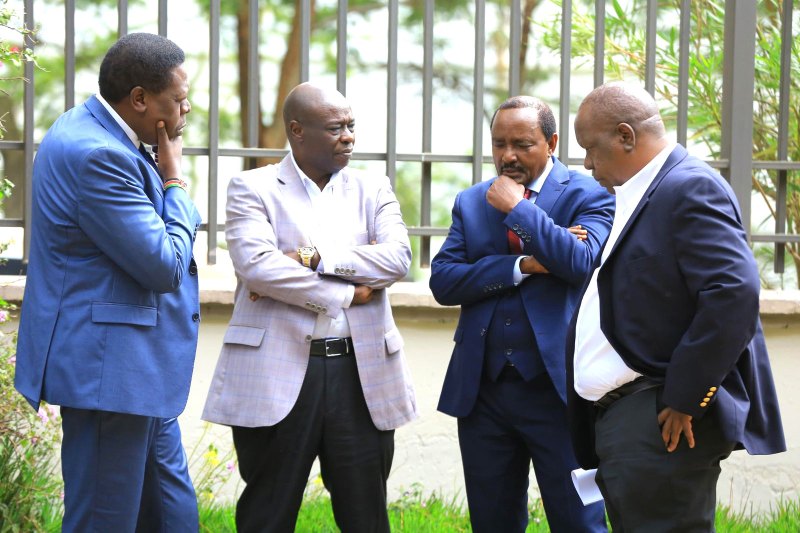
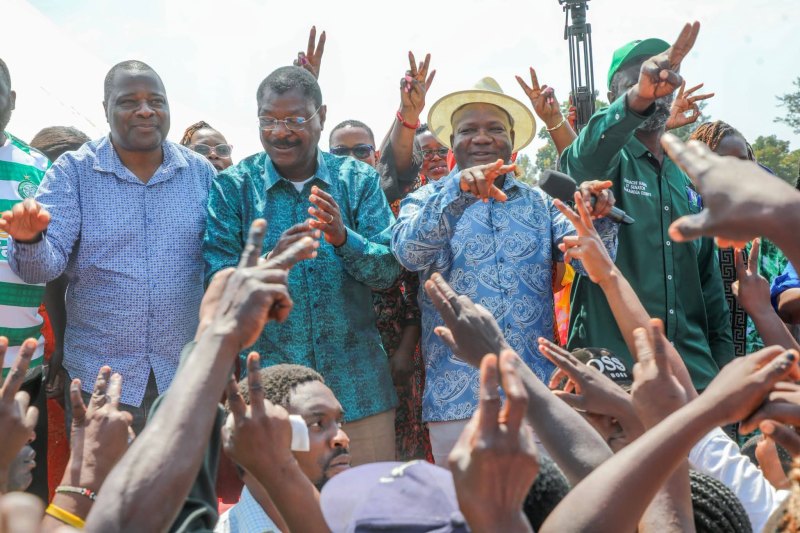
Today’s
political landscape bears uncomfortable similarities to the 1992–1997 era than
it does to 2002: opposition figures not simply recognising one of them—the
obvious one as the best candidate to beat the incumbent, high distrust between
camps, the incumbent on standby to benefit from every disagreement and the public
overwhelmingly wanting change, but leaders are not aligned on how to deliver it.
True
Kenya now has a more politically aware population, a more assertive youth bloc and a clearer understanding of how fragmentation guarantees defeat, but the opposition
risks repeating the same mistakes that kept Moi in power for 24 years.
Ego
has always been the silent killer of opposition unity. In 1992 and 1997,
leaders chose personal glory over collective victory. In 2002, they buried
their pride — and won.
Today,
overblown egos, entitlement, politics of revenge, personal vendettas and
the desire to smother other opposition leaders are again clouding strategic
judgment. Every time an opposition leader positions themselves not to win, but
to block another, Ruto wins.
Every
time a coalition fractures over personality rather than principle, the
incumbent gains ground.
And every time leaders prioritise short‑term positioning over long‑term
national interest, the people lose. Every progressive should say enough of this
and demand better.
Kenya’s
polls consistently show a public eager to deny Ruto a second term. But polls do
not vote — coalitions do. The question now is brutally simple: Do the key
opposition leaders genuinely want to answer the people’s call for change, or
are they content to pursue narrow, shortsighted ambitions that will hand Ruto
an easy path to reelection?
If
the opposition is serious about honouring the public mood, then unity cannot be
a late‑stage afterthought. It must be deliberate, transparent and immediate. The
sooner the leaders sit down, confront their egos and agree on a fair, credible
formula for a single candidate, the better the country’s chances of avoiding a
repeat of the 1992 and 1997 disasters.