The battle for the 2027 general election is increasingly
shifting to first-time voters, who form the core target of the electoral
agency’s continuous voter registration drive.
The Independent Electoral and Boundaries Commission has set
an ambitious goal of registering at least 6.3 million new voters when the
nationwide exercise resumes on September 29.
“The commission projects to enrol an additional 6.3 million
new voters, raising Kenya’s electoral voice to over 28 million strong,” commissioner Anne Nderitu said during the training of voter registration officers in
Naivasha.
Most of those targeted are youthful Kenyans—popularly
referred to as Gen Z—who have acquired their national identity cards since the
2022 elections.
The numbers could be decisive in what is shaping up to be a
fierce contest.
In 2022, President William Ruto of UDA edged out Azimio
leader Raila Odinga by 233,211 votes.
With 6.3 million potential new voters, the 2027 outcome
could swing sharply depending on registration, turnout and region.
According to the 2019 population census, about eight million
young people will have entered the voting bracket by 2027.
Yet, past trends show declining youth participation.
IEBC statistics show voters aged 18–34 years
accounted for 39.84 per cent of the register in 2022, a drop of more than five
percentage points from 2017.
Female youth registration fell by 7.75 per cent, while male
registration dropped by 2.89 per cent. This is despite the fact that nearly 75 per cent
of Kenya’s population is under 35.
Ruto has already declared his intent to defend his seat, but
faces growing pressure from the emerging United Opposition, which has vowed to
front a single candidate.
Former Deputy President Rigathi Gachagua, Wiper leader
Kalonzo Musyoka, former Interior CS Fred Matiang’i, Busia Senator Okiya
Omtatah, and retired Chief Justice David Maraga are all positioning themselves
to appeal to the Gen Z vote.
Despite uncertainties surrounding his candidacy, Gachagua
has repeatedly pitched himself as a champion of youth issues.
“They [Gen Z] will define the election and tilt the numbers
in favour of the person they support, but most of them lack IDs,” political
analyst Winnie Kaburu told the Star.
Commissioner Nderitu stressed that the upcoming registration
is not a box-ticking exercise but the foundation of credible elections.
“Without an accurate, inclusive and trusted register,
everything else we do falls short. These are not just statistics. They are
voices shaping Kenya’s future,” she said.
Her colleague, commissioner Alutalala Mukhwana, has
previously warned that voter apathy remains most pronounced among the youth,
noting that reversing the trend will require more than registration drives.
“What the nation requires, particularly from our young
people, is civic education—not just about voting, but about our obligations to
the state and the state’s obligations to us,” he said.
To bridge the gap, IEBC plans to “meet young people at their
doorsteps,” especially online.
“Young people have moved to the internet space. We will go
to them because Kenya cannot move forward without its youth. We are mapping out
the spaces they occupy so we can tap into their thoughts, ideas and energy,”
Mukhwana added.
Election Observer Group (Elog) national coordinator Mulle
Musau also urged Gen Z to translate their activism into electoral
participation.
“The clamour for change must not end in the streets. Beyond
protests, they must participate effectively in the election process—starting
with registering as voters. They have the numbers to make a difference,” he
said.
The IEBC says its civic education and registration campaign
will target campuses, youth events and digital platforms, ensuring that
Kenya’s largest demographic takes its place at the ballot in 2027.
INSTANT ANALYSIS
IEBC says it has rolled out a massive voter education and
media campaign since late August, targeting the youth through traditional and
social media platforms. The success of the registration will not only test the
IEBC’s operational capacity but will also ultimately determine which political
bloc successfully harnesses the power of Gen Zs, setting the tone for one of
the most keenly contested elections in the country’s history.

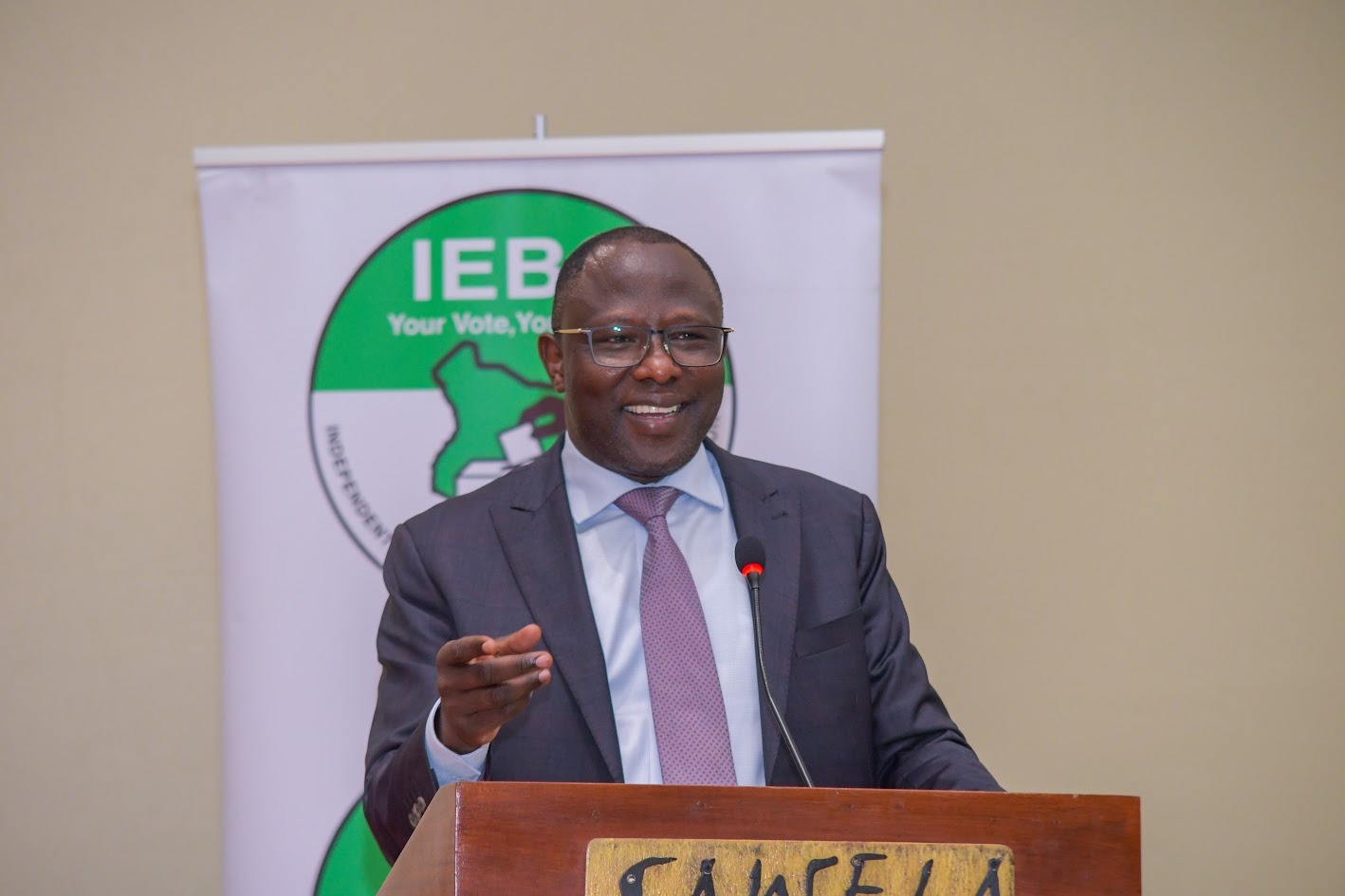
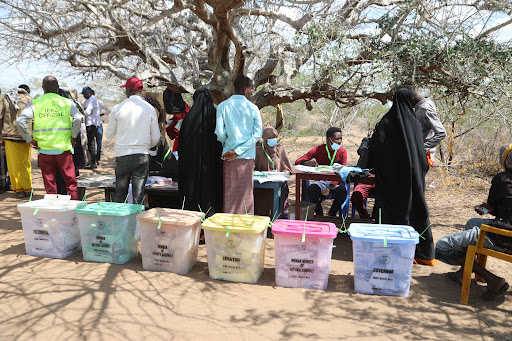 Voting materials.