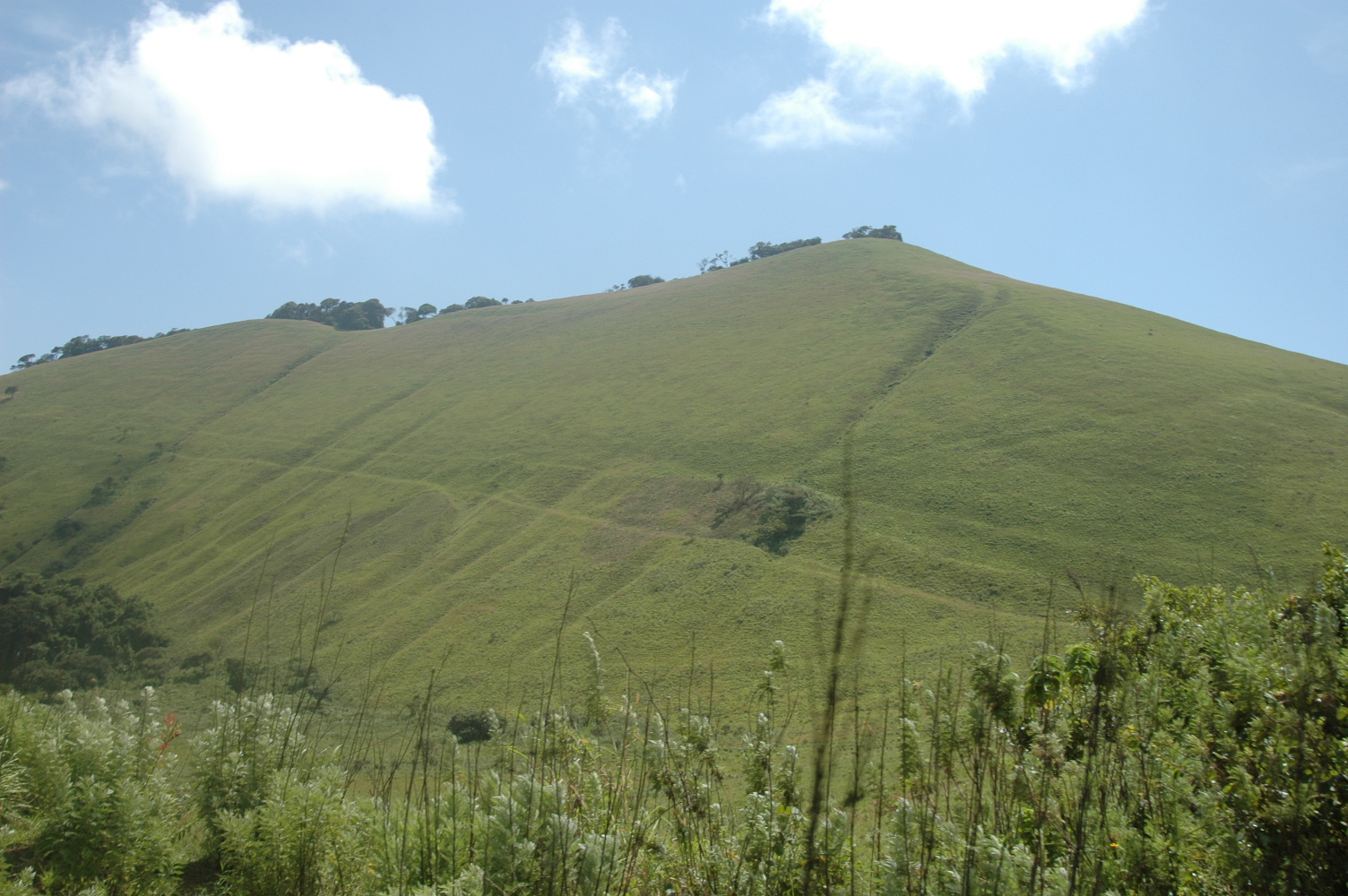
Tucked between Amboseli and Tsavo West, the Chyulu Hills stand out as one of country’s most enchanting natural treasures.
Rolling carpets of green, open skies and a dramatic volcanic landscape make the park a haven for nature lovers seeking both beauty and tranquillity.
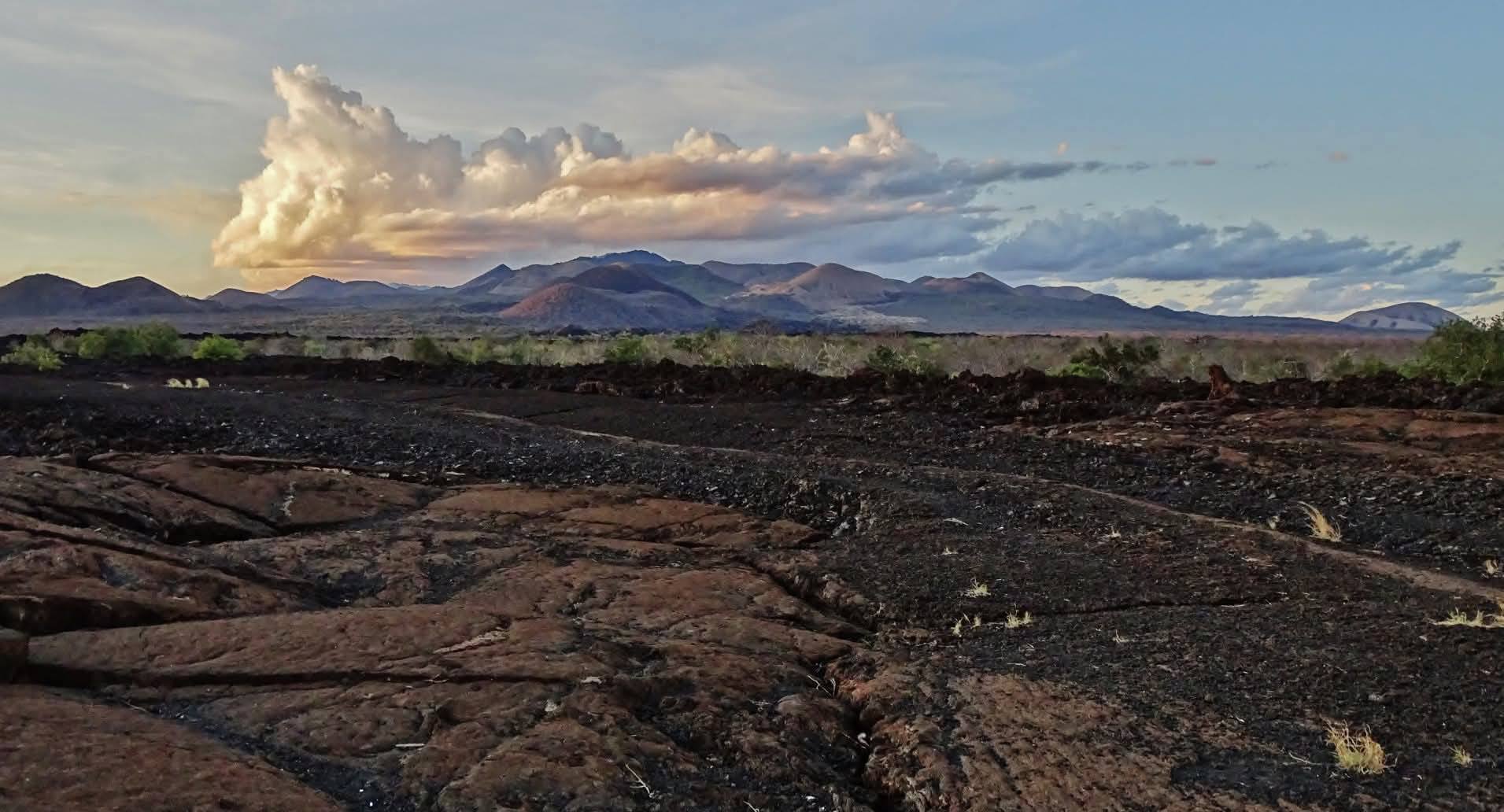
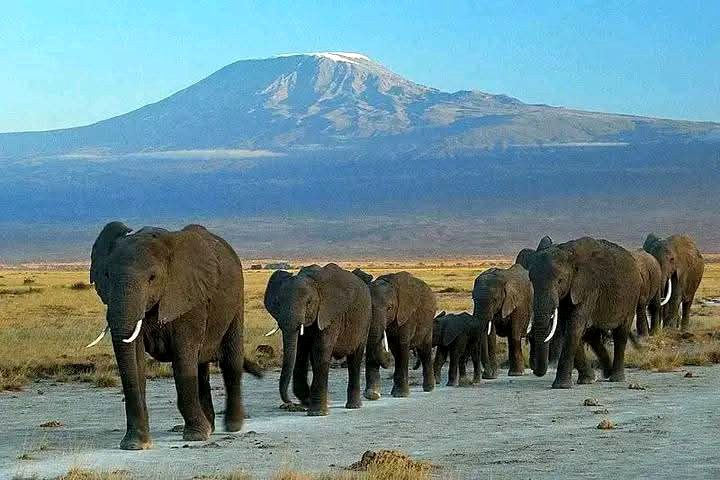
Chyulu is a rugged wilderness still showing signs of its volcanic origins and boasting some of the best views of Kilimanjaro.
According to the Kenya Wildlife Service (KWS), “chasing spectacular views, verdant rolling hills of endless green bush, great blue skies and breathtaking landscapes, this park stands out with lush scenery for the nature lovers.”
The park covers the eastern flanks of the Chyulu Hills, including half of the forest area.
The hills are a geological wonder. Black frozen lava flows are dotted with blazing red-hot poker trees, creating a striking contrast.
Though the hills hold no permanent surface water, rain seeps through the porous volcanic rock to feed some of country’s most important water sources.
These include Mzima Springs, Umanyi, Kibwezi, Makindu and the Tsavo River, which eventually flows into the Galana.
This catchment sustains communities in the surrounding plains and even supplies coastal towns such as Mombasa.
Beneath the surface, the Chyulu Hills boast one of the world’s most remarkable cave systems.
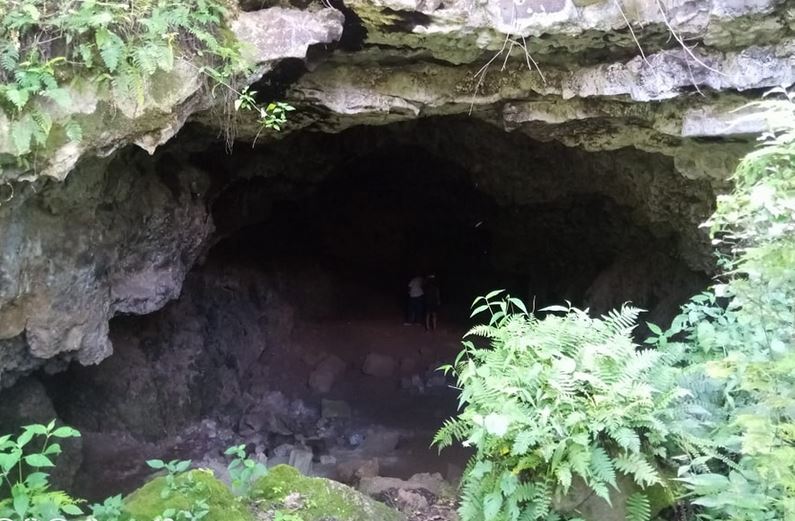
The Kisula cave, stretching 11.5 kilometres, is the longest lava tube in Africa and the third longest in the world.
The cave has been described as a breathtaking natural formation that beckons explorers and nature enthusiasts alike.
It is renowned for its striking geological features, which have been sculpted over millennia, creating a mesmerising landscape of stalactites and stalagmites.
The caves are not only visually stunning but also serve as a habitat for various species of flora and fauna, making them a vital part of the local ecosystem.
The porous rock structure also helps retain fresh water, creating a sanctuary for wildlife.
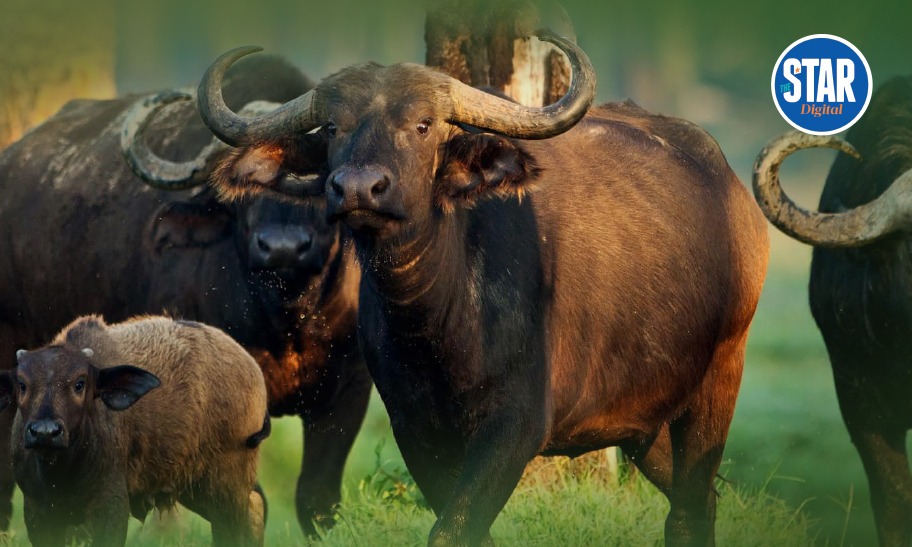
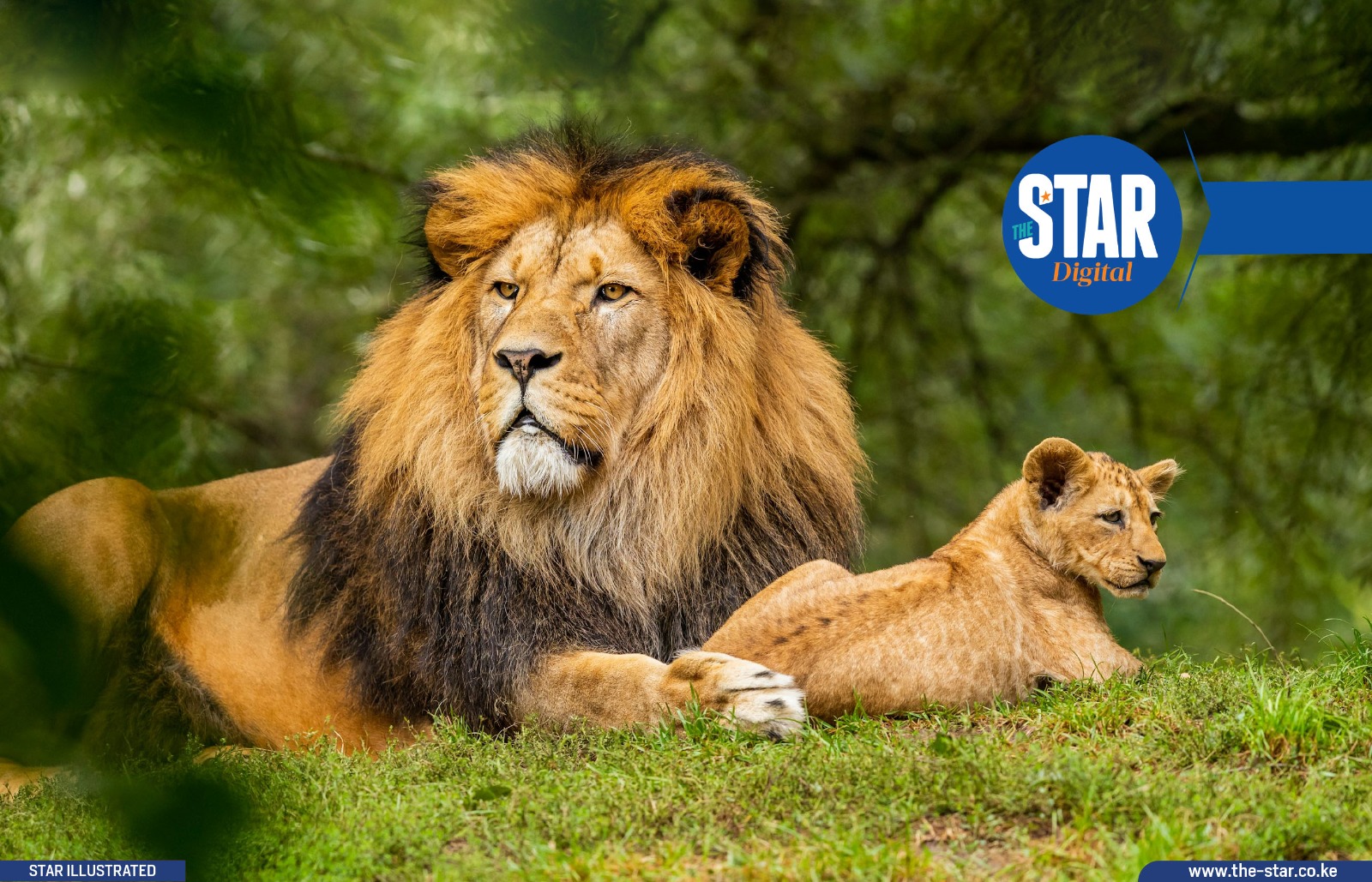
The park is home to a wide variety of species, including elephant, buffalo, giraffe, zebra, eland, leopard, bushbuck, mountain reedbuck, steenbok, bush pig and the black rhino.
Its terrain is equally diverse, blending grasslands, montane forests and dense thickets that provide habitats for countless birds and smaller mammals.
For visitors, the Chyulu Hills offer more than wildlife.
The park has three public campsites perched in vantage spots, making it ideal for camping, picnicking, hiking, game viewing and even archaeological safaris.
Cave exploration adds to the adventure, with panoramic views across the Amboseli and Tsavo plains completing the experience.
The Chyulu Hills remain a living
volcanic wonderland, treasured both as a water catchment and as a sanctuary
for wildlife and explorers alike.
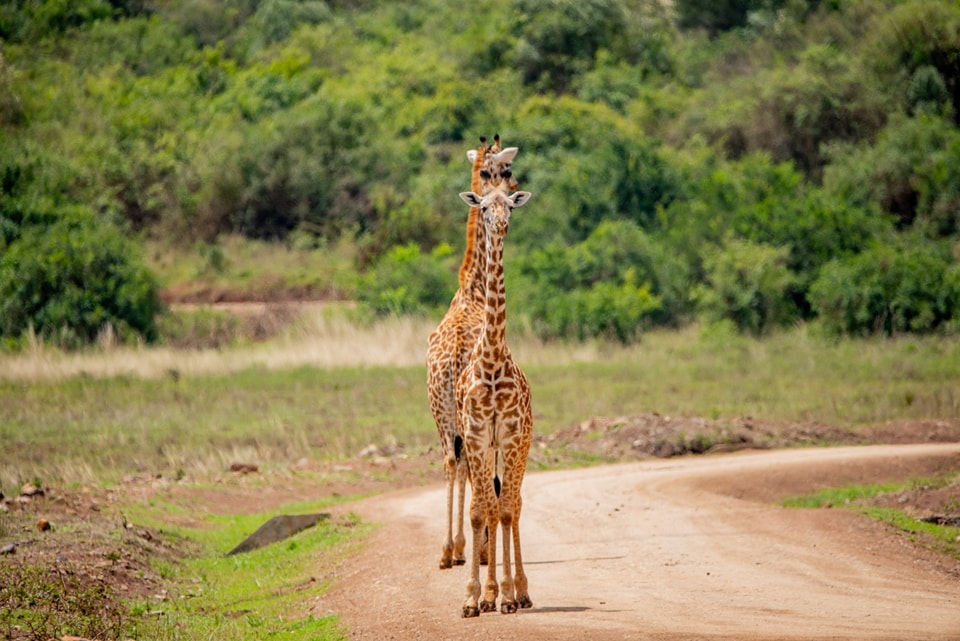 Giraffes roaming Chyulu Hills National Park/KWS