September 13 marks
exactly three years since William Ruto assumed Kenya's presidency, a period
widely regarded as the most dramatic start to any presidency since
independence.
“We found empty coffers,”
former Deputy President Rigathi Gachagua famously declared, capturing the tone
that would mark Ruto's start at the helm.
Since that initial
announcement, Ruto’s tenure has been a relentless baptism by fire,
characterised by protests, economic turmoil and fierce political battles that
have tested his resilience.
Ruto's
administration has faced what many analysts describe as the most ferocious
public backlash in the country’s history.
Unlike previous
administrations that enjoyed extended honeymoon periods, the President found himself
confronting organised mass protests within his first year.
The "Ruto Wantam"
(one-term) slogan has become a rallying cry for his critics and agitators
disillusioned with his leadership.
Ruto's attempt to create a
"broad-based government" by bringing Raila Odinga-led opposition
figures into his Cabinet has also created new fault lines.
Instead of quenching fires,
it earned the President accusations of buying off opposition, with some
dismissing the pact derisively as "bread-based government".
The economic front has also
presented both significant achievements and profound vulnerabilities for the
administration.
As a result, the opposition
is putting up an arsenal which they say is aimed at handing Ruto a first one as
the President who served one term in office.
Ruto's administrative team
faced immediate turbulence, with at least eight cabinet secretaries battling
major crises in their ministries before properly settling into their roles.
From nationwide power
outages under CS Opiyo Wandayi to the challenges Health CS Aden Duale is facing
in SHA rollout, the government seemed perpetually in crisis management mode.
The education sector also
faced repeated threats of teacher strikes, the same with universities, where a
new funding model has proven an uphill task.
Perhaps the most defining
dynamic of Ruto's presidency has been his complex relationship with Kenya's
youth.
The same demographic that
helped propel him to power became the engine of the protest movement against
his administration.
In response, Ruto's
government launched initiatives such as the National Youth Opportunities Towards
Advancement (Nyota) project, seeking to provide 100,000 youth with Sh50,000
business capital each.
It remains to be seen if
these measures would pacify a generation frustrated with the high cost of
living and perceived unfulfilled promises.
Critics have a dramatically
different perspective on the administration's performance.
Kipipiri MP Wanjiku Muhia
offered a scathing assessment, saying, “Ruto has not fulfilled any of his
promises.”
“I can count roads in
Kipipiri, like that in Ndunyu Njeru with only 25km left, which have never been completed yet.”
“The dams he
promised, like Marewa Dam, have not been built. No work is going on at the county
hospitals, like JM Kariuki, as well as the stadiums.”
Her critique extended to
policy changes, saying, "Ruto's university policy has also backfired. The current funding
system can’t be compared with the old Helb system. Money is not getting to the
universities.”
Muhia said a
successful economy needs no explaining to be felt, noting that the Mwai Kibaki
era required no such justification.
“If he curbs corruption, at
least we will have hope. There is also no serious investment going on. The
empowerment programmes have no lasting impact,” she said, adding that the
government had yet to deal decisively with wastage.
“We thank God it is only two
years to go before we remove this government from power. He started from worse
and is doing worse by the day.”
However, some government
defenders pointed to tangible progress in various sectors.
Deputy President Kithure
Kindiki, emerging as the chief defender of the government's economic record,
pushed back against critics.
“There are people spreading
falsehoods that this government is not doing any job. It is not true. A lot has
happened,” he said.
Kindiki said the
economy was in the ICU when Ruto took over in 2022, particularly highlighting
the challenge of an expensive dollar.
The government's
intervention has successfully stabilised the shilling against the
US dollar from Sh167 to Sh129, he said.
Kindiki pointed to tangible
improvements in agricultural production as evidence of progress.
“Fertiliser, which cost
Sh7,000 when we took over, now trades at below Sh3,000. We produced 70 million bags last year, from
32 million in 2022. We have doubled production in three years,” the DP said.
He argued that the
developments contributed to measurable economic successes: GDP growth holding
at 4.7 per cent last year and controlled inflation under 4 per cent.
The government also argues
that agricultural revenues have shown significant improvement, with tea
earnings jumping from Sh138 billion in 2022 to Sh215 billion last year.
The government's housing
initiative and social health programme represented ambitious attempts to address
long-standing challenges.
Kenya Kwanza officials
pointed to widespread housing projects that would also solve hostel crises in
universities and technical training institutes.
"Contractors are back to work in more than 580 road projects across the country," the DP said.
The Social Health Insurance
Fund (SHIF) had registered 22 million Kenyans by the third anniversary, though
the programme faced implementation challenges and criticism from various
quarters.
Youthful Keiyo North MP
Korir Kipsanai said, “We commend the job done byKenya Kwanza
government. In the education sector, we have a good number of teachers who have
been employed for junior secondary and primary schools across the country.
Secondly, we have seen serious infrastructure projects in almost all primary
schools to cater for Grade 9 and JSS.”
He highlighted agricultural
improvements. “The subsidised fertiliser has worked. I come from a region which
is a food basket and the subsidies have worked. This thing has
helped sort out the issue of unemployment, especially for youth in rural
areas.”
The MP pointed to physical
development across the country.
“Many projects that were affected by pending
bills are ongoing and the contractors are all over. You can see what is happening
on the road heading to Serena, Ngong Road and across the country. We have small
dams worth millions which are underway. I am not speaking of plans but projects
that are already giving benefits," Kipsanai said.
Macharia Munene, a
political commentator, provided a balanced perspective, saying, “Ruto is still
finding his way around, much as he keeps talking about how successful he is and how he is
going to change everything and make Kenya a Singapore.”
Munene said the President
himself had admitted to appointing “very incompetent people to run the country
as policymakers,” concluding that “on balance, he has not come out very well.”
The academician highlighted the
contrast between foreign and domestic perceptions.
“He tries very hard in his
foreign affairs image to look like the leader of Africa, mainly to the Western
powers and for some reason, he convinces them. His efforts to look good in foreign
affairs are messed up by destructive domestic policies.”
Munene identified a crucial
challenge facing the administration. “The President is also operating at a time when the population is so much aware and well-informed. Most of the youths were
born and grew up during the Kibaki era, when things were working. The person who is
to answer their questions is none other than Ruto.”
As Ruto marks three years in
power, his presidency stands at a critical juncture.
Despite the turmoil, some
observers argue that his consolidation of power through state machinery and
relentless political strategy make him a formidable force likely to endure
until 2032.
His administration continues
to argue that he is making "the hard choices that others feared" to
reshape Kenya's future through "bold, necessary reforms."
The fundamental question
remains whether Ruto can transition from a presidency defined by crisis to one
that delivers on its promised economic transformation.
With two years remaining
until the next election, the man who rose from selling chicken to leading a
nation of 50 million people still has time to rewrite his legacy, but the path grows
steeper with each passing day of unrest.
INSTANT ANALYSIS
Ruto's performance continues
to be rated differently depending on which side of the political divide one
stands. His first three years have indeed been a baptism by fire, testing the
limits of presidential power. The coming years will determine whether this
turbulent beginning will ultimately be remembered as a step towards
transformation or a period of missed opportunities, unresolved conflicts.

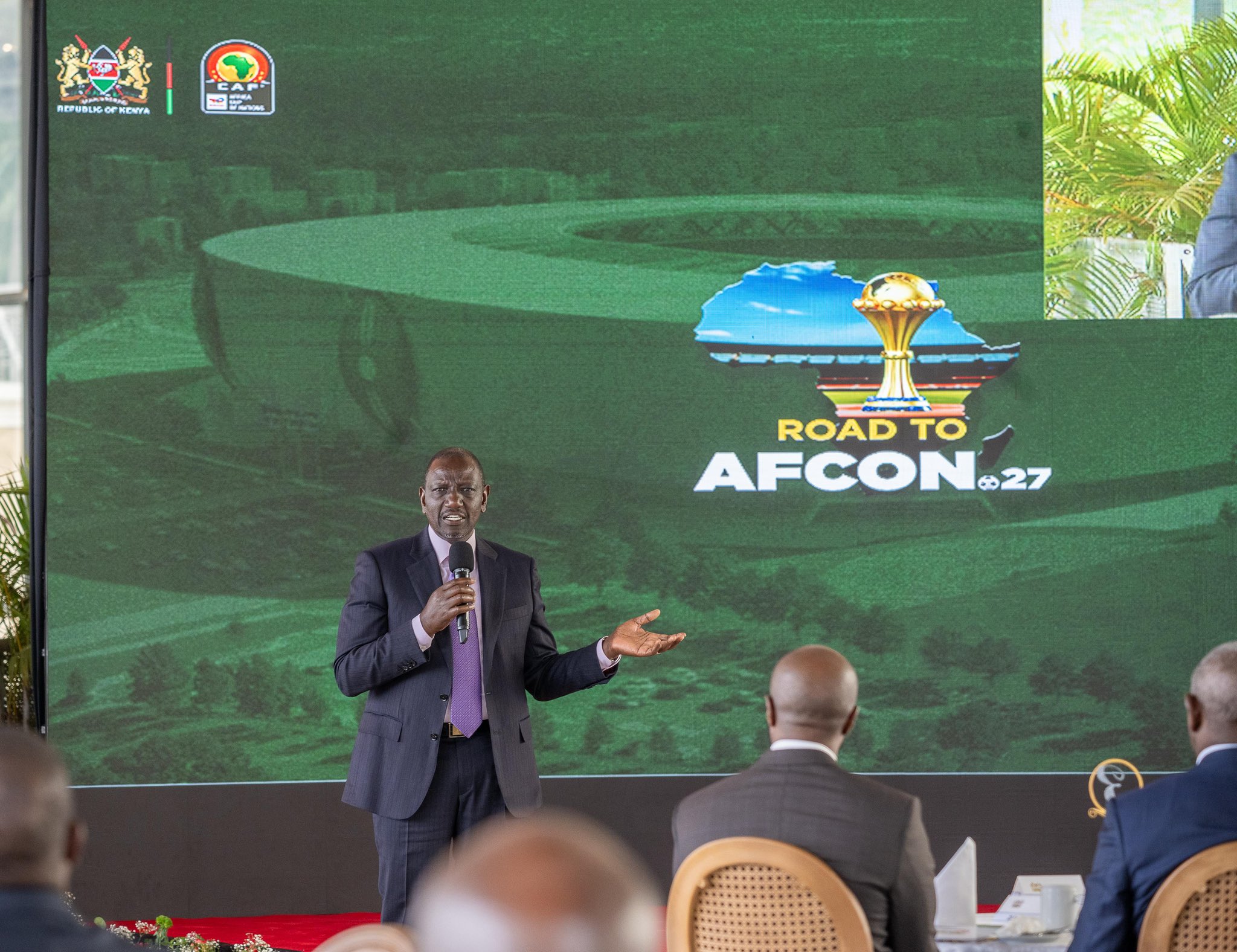
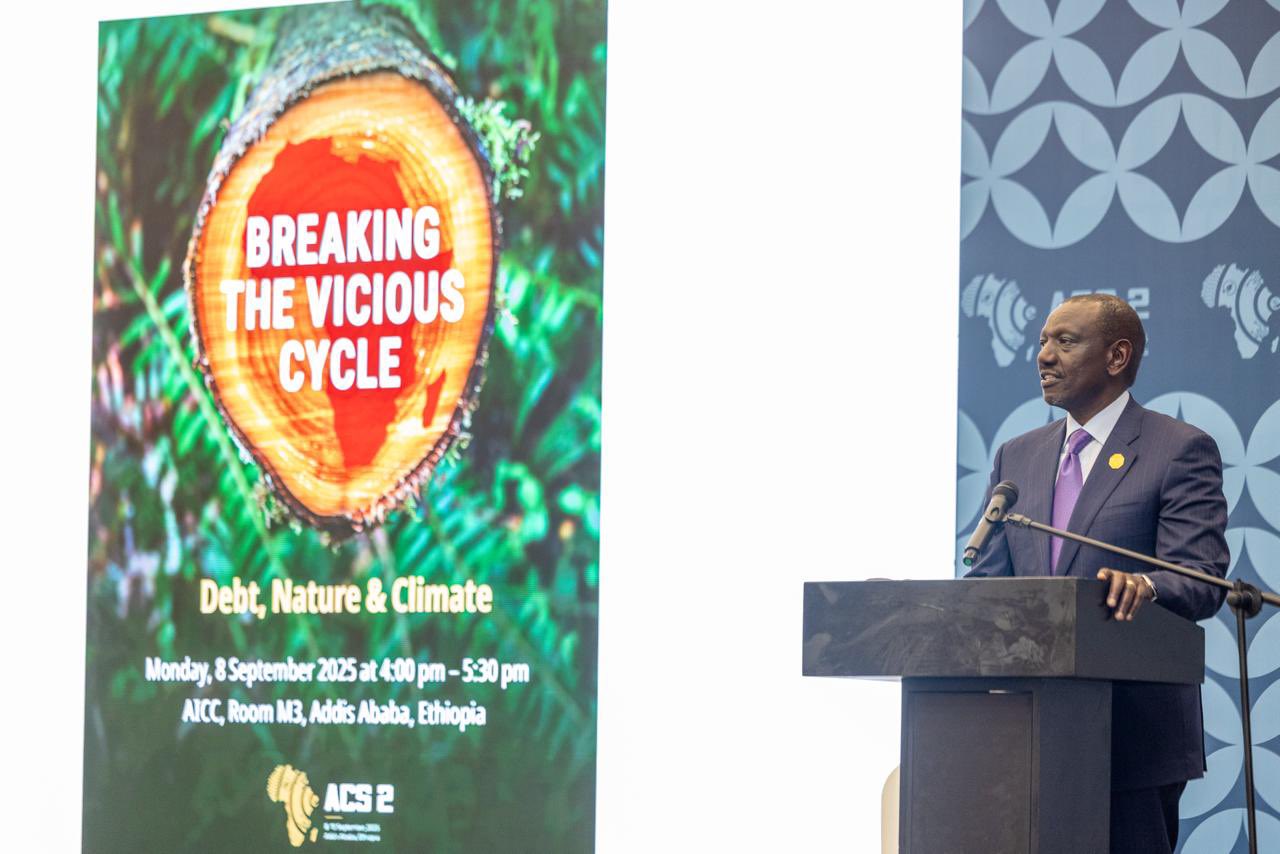
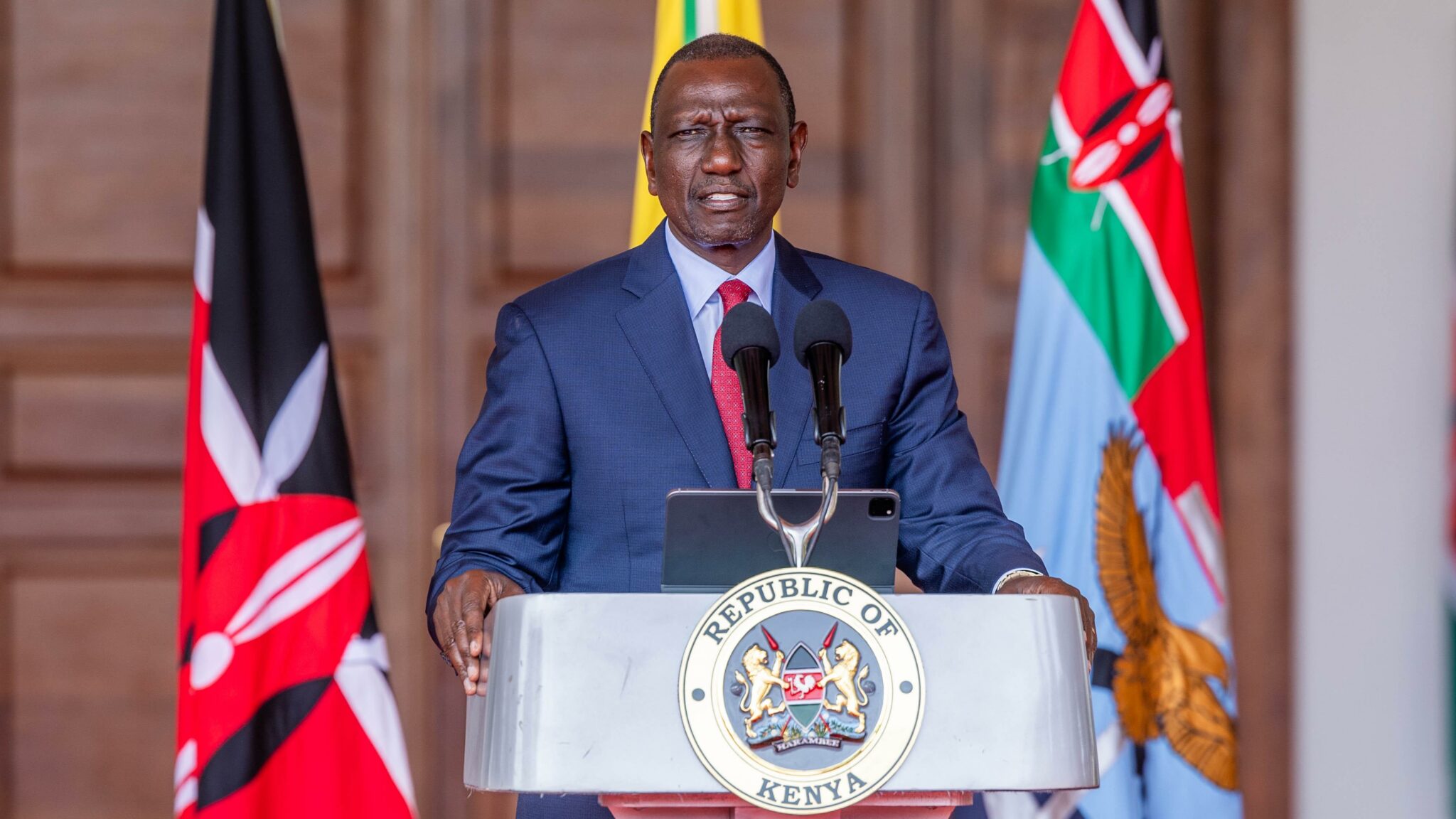 President William Ruto/FILE