The fund, one
of the pet and legacy projects for President William Ruto, is facing allegations
of fraudulent payments to certain hospitals, some non-existent.
SHA has come under so much scrutiny and criticism that on
Tuesday, it disabled the Kenya Master Facility Registry for tracking
payments and facilities details and pulled down from its website a list of
payment of claims to hospitals.
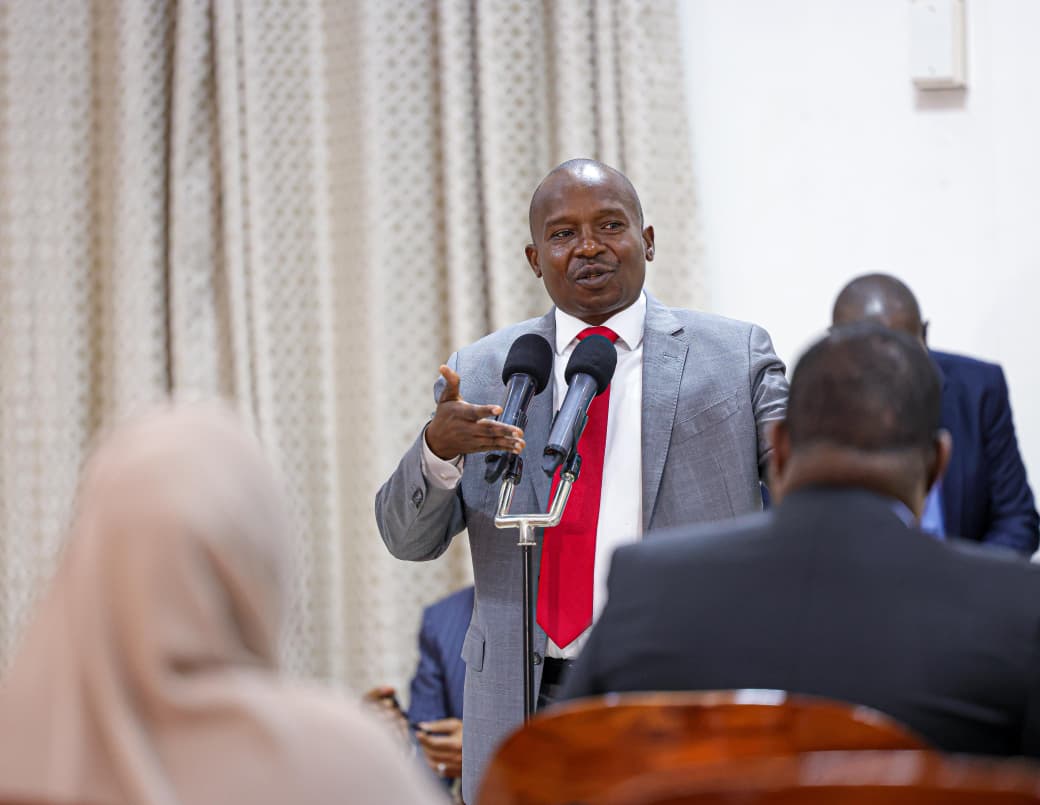
Makueni Senator Dan Maanzo on Tuesday said
there is a persistent problem within the entire system and it needs to be reviewed
because “the situation is not improving, including the so-called fraudulent
claims”.
“When there was a procurement for ICT system for Sh104
billion, which I believe we are still paying for, it never went through
tendering, it was just procured without following the law. Everybody in Kenya is
now being forced to fundraise for Sh104 billion in one way or another,” he said.
The Rural and Urban Private Hospitals Association of Kenya [Rupha] also raised concern with the Sh104 billion fraud detection system, which it
termed “the biggest scam”.
Rupha also claimed that 1,000 Field Surveillance Officers
and Quality Assurance Officers under NHIF who could walk around and verify fake
hospitals had either been fired or redeployed, and tens of SHA branches closed.
“The Kenya Medical Practitioners and Dentists Council was
defunded and the Kenya Health Professionals Oversight Authority neutered. The
Disputes Resolutions Tribunal was not established. The ICT Directorate at SHA
was gutted down and reduced to a mere minor department and all its functions
transferred to Apeiro [a global patient-care digitisation firm]. Your tough
talking fraud fight is lip service all talk and too little action,” Rupha told Health CS Aden Duale.
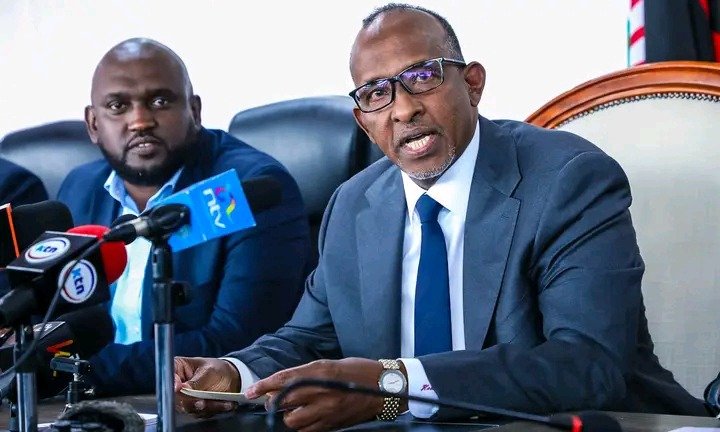
But a bullish Duale on Monday said his ministry has stepped up its crackdown on fraud within SHA,
stopping payments of more than Sh10.6 billion in fraudulent claims.
Duale, the third minister to head the ministry in just two and
half years of the Ruto administration, said every shilling in SHA must go
to genuine and life-saving healthcare. He
said this as he announced 45 health facilities had been deregistered over the
fraud. This adds to the 40 that were recently suspended.
Despite admission of the “attempts”, Duale in a response to
a local daily’s headlined termed the “SHA rip off” as propaganda or blackmail by
certain quarters, blocking the government from fixing the country’s healthcare
system.
“We know saboteurs of SHA have recruited several groups
including some sections of the media to advance their agenda. Let them be
warned: We are fixing this thing regardless of the noise! Our work has just
begun. We will not rest until every Kenyan has access to quality, affordable and dignified healthcare, free from the burden of fraud,” Duale said.
During the burial of Malava MP Malulu Injendi in Kakamega, President William Ruto said the attacks on SHA and SHIF come from beneficiaries of loopholes that facilitated the looting of NHIF, taking up to 40 per cent of the
fund.
“They do not want a technology system that works so that
they continue stealing from us. The stealing is over. We are not going to give
free money as was being done under NHIF to hospitals without accountability. We
are only going to pay for services rendered,” the President said.
The current scam is reminiscent of the NHIF scandal that
faced the then Medical Services Ministry under the Grand Coalition government in 2008.
The scandal saw then Minister Anyang’ Nyong’o come under
pressure from the Public Accounts Committee to resign over payments to “phantom” hospitals.
PAC at the time said millions of shillings in medical claims
were paid by NHIF to health facilities before they were even established.
Some payments were also made to hospitals that did not
qualify to receive funds from NHIF, the committee said.
Presidential aspirant and retired Chief Justice David Maraga on Tuesday called for a forensic audit of SHA. "The unchecked rot that has led to billions in taxpayer funds being siphoned off to ghost hospitals and fraudulently registered health facilities, while legitimate hospitals remain underfunded and Kenyans continue to suffer, must end," he said.
Despite the President and Duale’s defence, graft allegations
are not new at the Ministry of Health, which has already seen a turnover of
five principal secretaries.
President Ruto in May 2023 fired Public Health PS Josephine Mburu, suspended Kenya Medical Supplies Authority CEO Terry Ramadhani
and kicked out the board over a Sh4 billion mosquito supply scandal.
Prior, the ministry was rocked by the Covid-19 scandal, in
which Kemsa was accused of irregular procurement of emergency commodities during
the pandemic, allegations the authority refuted.
It is, however, during President Uhuru Kenyatta’s tenure
that graft cases escalated.
Less than a year after the 2016 infamous Sh5 billion “Mafya House Scam”, the US
in May 2017 suspended $21 million (Sh2.5 billion) direct aid over corruption at the ministry.
In March 2018, then Auditor General Edward Ouko reported
that the Ministry of Health could not account for about Sh11 billion it had been
allocated.
The Auditor-General’s 2015-16 report showed beyond the Sh5
billion the ministry could not account in the Mafya House theft, the
expenditure of an extra Sh6 billion could not be explained.
The EACC’s National Ethics and Corruption Survey 2018 that
year ranked the Ministry of Health was the second most corrupt ministry at 17.9
per cent, after Interior and National Coordination 47.5 per cent.
The 2024 survey shows not much has changed, as the ministry
retained second position as the most corrupt with 19.7 per cent, after the
Interior ministry at 47.8 per cent.