Former Deputy
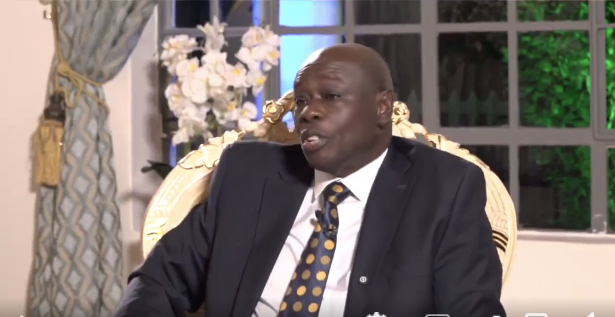
President Rigathi Gachagua last night said that he will vie for presidency in
2027.
In spite of being
removed from office through impeachment, Gachagua, who has formed the DCP party, believes
he still has a chance.
“Our laws say if
you have not exhausted all legal mechanisms, you are free to vie for any
office. Rigathi Gachagua's case has not even started, it will go to the high
court, then to the court of appeal and if it will not go well, we go to the
Supreme Court. Before it is concluded at the Supreme Court, Rigathi Gachagua
will vie for the presidency and he will win with so many votes,” Gachagua told
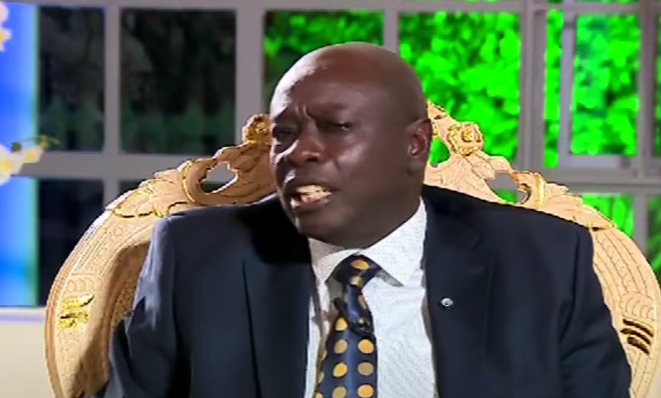
Citizen TV’s Yvonne Okwara on Sunday night.
However, what
does the law state? Is Gachagua eligible to run? As it stands now, the former
Mathira MP can not be cleared to contest. Reason?
Impeached state
officers can not subsequently run for election to any other state or public
office ever again within Kenya, unless the impeachment is successfully
challenged and quashed by a court of law.
Chapter Six of
the Constitution on Leadership and Integrity makes it clear that a state
officer kicked out for abuse of office is barred from holding any other state
office.
Gachagua who faced
11 charges, including corruption, inciting ethnic divisions and undermining
government was impeached in October 2024.
The supreme law
bars a person who is removed from office for violation of the integrity
provisions of Chapter Six from holding any other State or public office.
“A person who has been dismissed or otherwise
removed from office for a contravention of the provisions specified in clause
(2) is disqualified from holding any other State office,” Article 75 (3) states.
This is the same
provision that was used to bar Mike Sonko and Ferdinand Waititu from running
for office in the last election as governor of Nairobi and Kiambu respectively.
The two were impeached by their respective county assemblies.
Gachagua’s
reliance on the right to exhaust all appeal avenues can only be applied in
criminal trials. Persons convicted of any crime, can still contest electoral seats
as long there is a pending appeal.
Refer to the case
of Sirisia MP John Waluke who was jailed for 67 years over the NCPB scam just
months to the genera election but was released on appeal and proceeded to be
re-elected.
Prior to 2013,
the high court ruled that a person can not be barred from running for office unless
one has exhausted the right of appeal. This is the verdict that allowed Uhuru Kenyatta
and William Ruto to run for presidency in spite of facing crimes against
humanity in ICC.
The two ended up
being elected as president and deputy in polls held on March 4, 2013 with Ruto managing
to succeed his boss in 2022.
Now for Gachagua
to overcome this, his lawyers must convince the high court to quash the impeachment.
Article 137 of
the Constitution states that the qualification to run for president are same as
that of a member of parliament.
Article 99 of the
constitution then states that a person is disqualified from being elected a
member of Parliament if ‘the person--(h) is found, in accordance with any law,
to have misused or abused a state office or public office or in any way to have
contravened Chapter Six.’
Article 99 (3) provides
that a person is not disqualified under clause (2) unless all possibility of
appeal or review of the relevant sentence or decision has been exhausted.
The courts have
interpreted that the exemption applies to 2 (g) where one is subject to a
sentence of imprisonment of at least six months, as at the date of registration
as a candidate, or at the date of election.
This is because Article
75 has already closed the door for impeached person’s quest to return to public
office.
If Gachagua is successful
in his appeal, then he will be on the ballot to challenge his former boss.
The Ethics and
Anti-Corruption Commission (EACC) being the board overseeing Chapter Six, is on
record saying that those who have been impeached fail the integrity test to run
for public office.

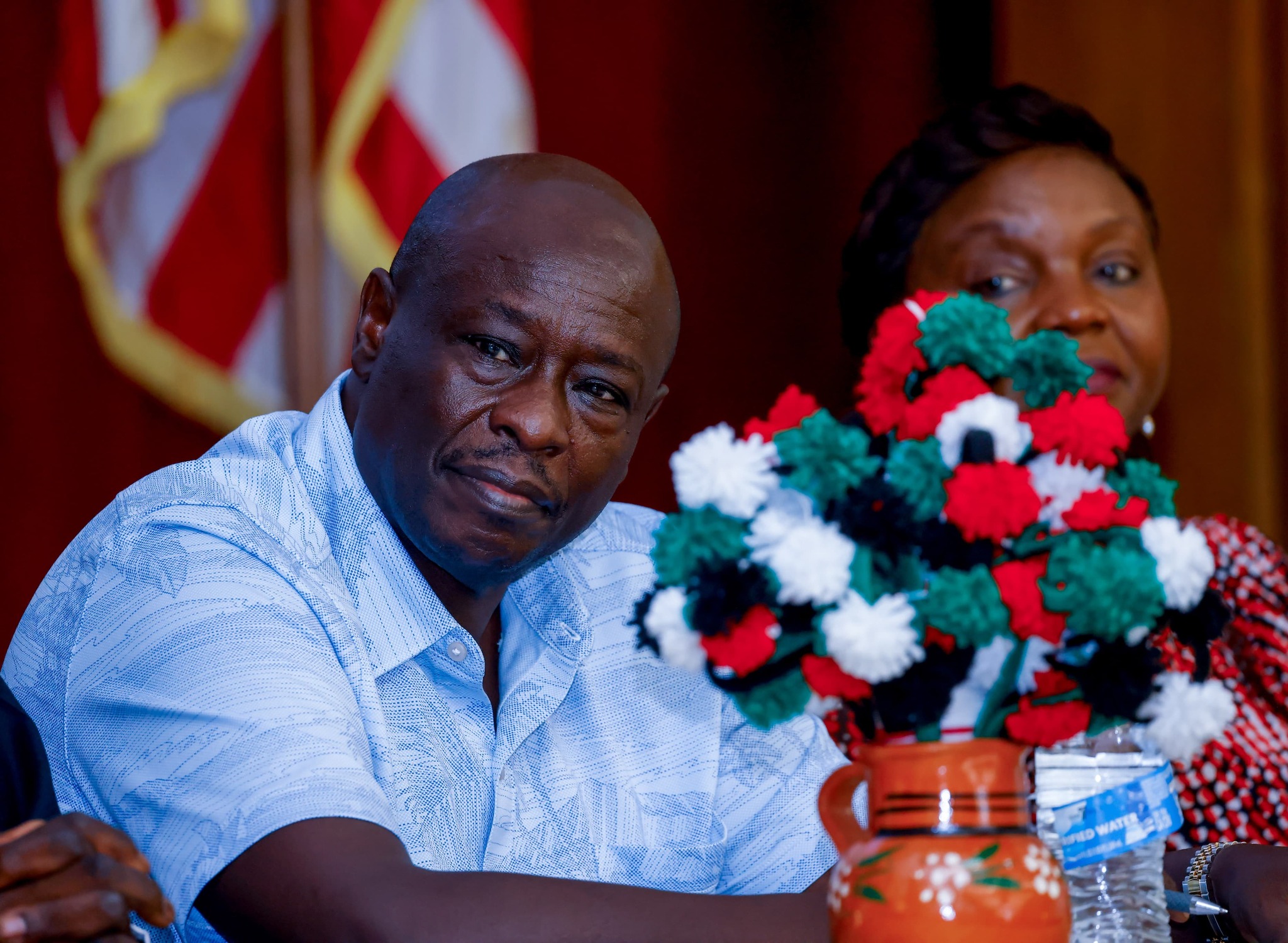
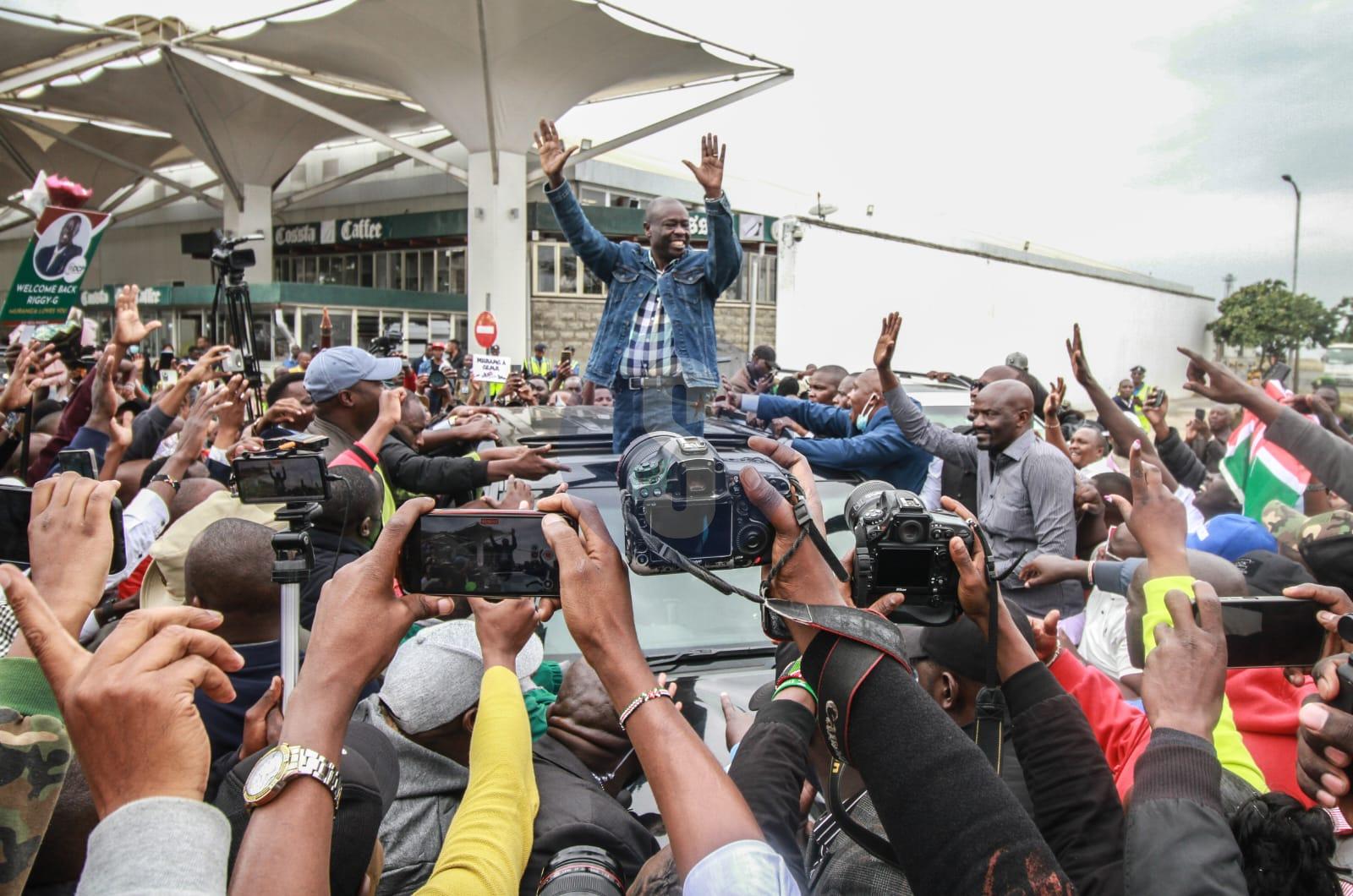 DCP party leader Rigathi Gachagua waves at supporters who had turned up in large numbers to receive him at JKIA on August 21, 2025./ENOS TECHE