China has hit back at the United States over its criticism
of Kenya’s growing diplomatic and economic ties with Beijing as the two
superpowers tussle over dalliance with Nairobi.
Beijing has termed Washington’s stance a relic of “Cold War
mentality” and an infringement on Kenya’s sovereignty.
Chinese diplomats and analysts accused the US of hypocrisy,
noting that America has long maintained extensive partnerships across the
globe.
Speaking in Nairobi, Chinese Ambassador Guo Haiyan condemned
what she called “external forces” seeking to dictate Kenya’s foreign policy
choices, reaffirming Beijing’s commitment to mutual growth and development.
“A few days ago, a certain country claimed that it would
conduct a so-called ‘review’ of Kenya’s relationship with China,” she said.
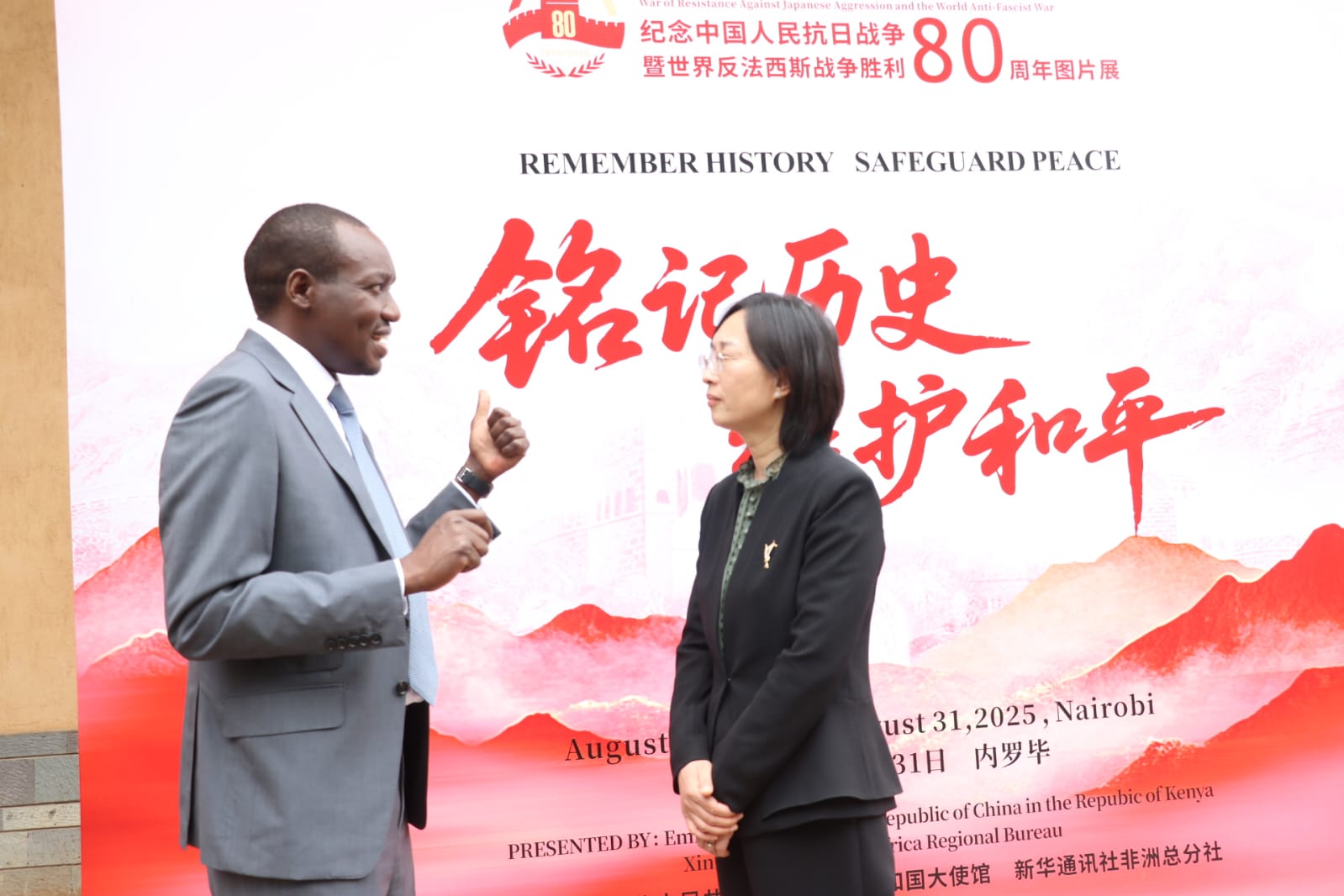
Haiyan made the remarks as Kenya and China jointly marked
the 80th anniversary of the victory of the Chinese People’s War of Resistance against
Japanese Aggression and the World Anti-Fascist War, during a ceremony at the
Nairobi National Museum.
She said China-Kenya cooperation is rooted in mutual benefit
and respect, questioning why it should concern other nations.
“It is the typical Cold War mentality and hegemonic
behaviour to disrupt other countries' developing friendly cooperation out of
narrow-minded prejudice to serve their own interests, which we resolutely
oppose,” Haiyan said.
The sharp rebuke comes against a backdrop of rising diplomatic
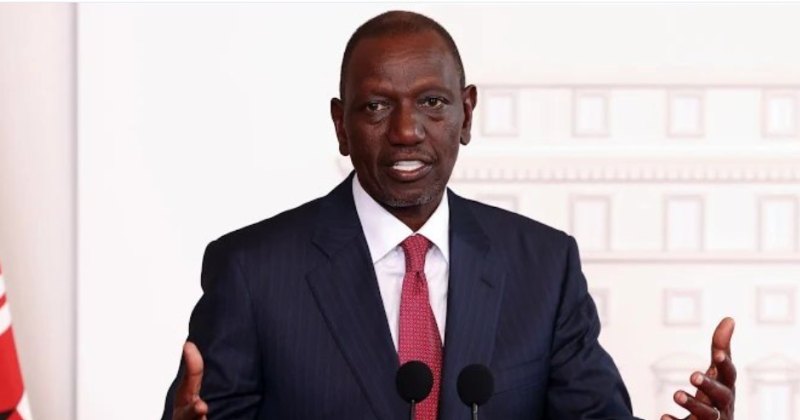
tensions between Washington and Nairobi, following President William Ruto’s
deepening engagement with Beijing.
In April, during a state visit to China, Ruto publicly
praised Beijing’s role in shaping what he called a “new world order,” a statement
that stirred unease in Washington.
Earlier this month, US Senate Foreign Relations Committee chairman
Jim Risch announced that the Senate would review Kenya’s designation as a Major
Non-NATO Ally (MNNA) — a move widely interpreted as a signal of Washington’s
discomfort with Nairobi’s growing closeness to China.
The status, granted in 2024, provides military and economic
benefits, including access to US defence contracts and joint training programmes.
The review, anchored in the National Defence Authorisation
Act for Fiscal Year 2026, cites concerns over Kenya’s growing alignment with
China.
Risch cited Nairobi’s participation in Beijing’s Belt and
Road Initiative and perceived distancing from Washington.
Among the Donald Trump administration’s concerns is that
Kenya and China's ties run deep, and it wants a probe into the high-value
contracts Chinese have been awarded in Kenya.
Chinese scholars argue that the US is using Kenya’s MNNA
status as leverage, exposing its inconsistent Africa policy and eroding trust
in American commitments.
Among issues that have escalated tensions between the US and
Nairobi, the Star gathers, is Kenya’s resolute stance against Taiwan
independence.
China lauded Kenya's unwavering commitment to the One-China
Principle. Ambassador Haiyan emphasised that Taiwan's return to China in 1945
was a pivotal outcome of World War II, saying it was enshrined in international
agreements such as the Cairo Declaration and the Potsdam Proclamation.
"The historical and legal facts are undeniable," Haiyan
said, praising Kenya for its "consistent commitment" to opposing
'Taiwan independence' and supporting China's reunification.
Kenya had responded to the United States over the assertions
by Senator Risch and the intended legislative review.
Foreign Affairs CS Musalia Mudavadi dismissed the move as
"not the official stance of the US government" but rather a proposal
by individual lawmakers.
Kenyan lawmakers have also pushed back against US pressure,
framing the country’s engagement with China as part of a broader strategy to
diversify alliances.
Nelson Koech, chair of National Assembly’s Defence committee,
argued that President Ruto’s remarks in Beijing were not an abandonment of US
ties but a call for a "more just global system" where Africa plays a
greater role in international governance.
President Ruto said Kenya’s cooperation with China is
"intentional and in the nation’s best interest," even if it
"upsets traditional allies".
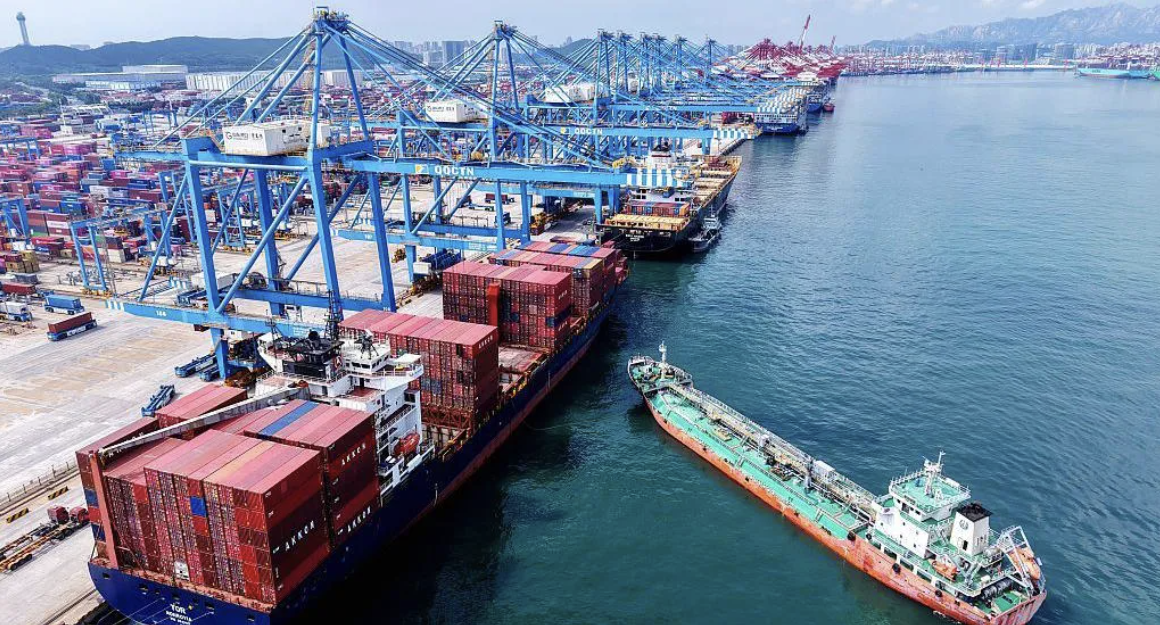
The standoff reflects a larger struggle for influence in Africa,
where China has become the continent’s top trading partner and a key
infrastructure financier.
Several nations, including Kenya, have resisted US pressure
to "choose sides," emphasising their right to independent foreign
policy.
China’s trade and infrastructure investments are billed as
aligning more closely with Africa’s development needs, making decoupling
politically and economically unfeasible.
The Friday event brought together dignitaries, including
Kisii Governor Simba Arati, Gender PS Anne Wang'ombe, and ex-deputy AUC chair
Erastus Mwencha.
They joined China in honouring the historic sacrifices while
calling for renewed commitment to peace and multilateralism.
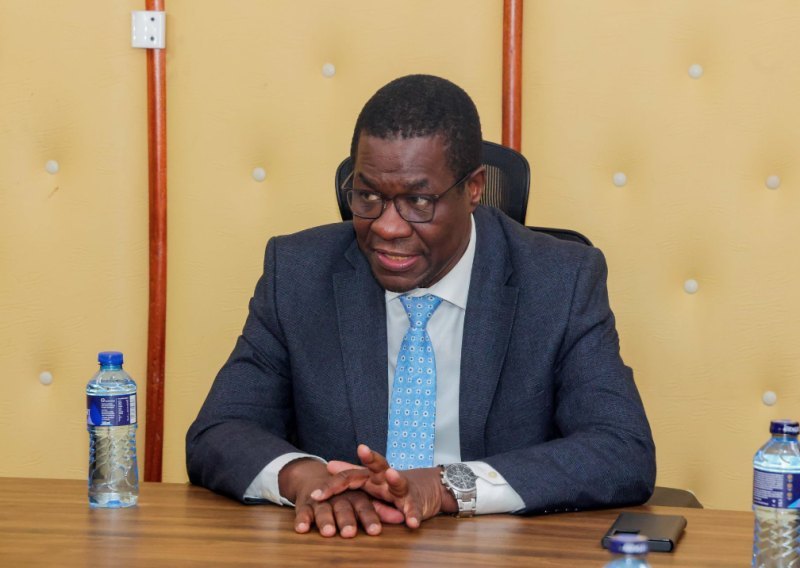
Mwencha, a prominent Kenyan diplomat, said, "China made
immense sacrifices under the leadership of the CPC, fighting with unyielding
courage. The casualties testify to the nation's spirit in defending its
sovereignty."
He affirmed Kenya's alignment with peace and opposition to
military aggression, drawing parallels between WWII's failures and today's
geopolitical tensions.
"WWII was caused by tensions between nations, the rise
of fascism and economic turmoil. Today, we must learn from the past to chart a
better future," he added, praising China's role in promoting
multilateralism and development in Africa.
PS Wangombe said, “The Chinese People’s War of Resistance
was an integral part of the global struggle against fascism.”
“The courage of the Chinese people, who endured immense
suffering, mirrors the resilience of Kenyans during our own colonial
struggles.”
Wang’ombe highlighted how the war accelerated the collapse
of colonial systems worldwide, paving the way for Kenya’s independence in 1963.
She emphasised the importance of remembering history, not to
dwell on past grievances but to build a future rooted in peace and cooperation.
About 35 million Chinese military and civilian casualties
were suffered during the 14-year resistance against Japanese aggression.
“China’s victory was a turning point in our national
rejuvenation,” the PS said. “It re-established China’s status as a major
country and set the stage for our modern development.”
Arati said Kenya and China “share a profound bond”, as well as
with other countries of the Global South.
“Like China, Kenya fought to overthrow colonial rule and
achieve national awakening and independence in the wake of the World
Anti-Fascist War,” the governor said.
“The war exposed the exploitative nature of Western colonial
powers, who competed fiercely for the resources of the Global South, demanding
supplies and troops from these countries while causing immense suffering,” he said.
INSTANT ANALYSIS
While Washington wields military alliances as leverage,
Beijing appears keen to gain ground with its economic diplomacy, leaving Kenya
to balance strategic partnerships without ceding sovereignty. Experts hold that
Kenya and China working together in the commemoration serves as a reminder that
the fight against fascism was not just a historical event but a continuing
mission ‘to create a more just and equitable world’.