President William Ruto has launched a scathing attack on
corruption in the country’s governance system, singling out Parliament and the
Judiciary—institutions mandated to provide oversight and justice—as major
havens for graft.
In a candid address, Ruto said while corruption is rampant
in national and county executives, oversight and judicial bodies have become
“corruption centres.”
He accused Members of Parliament of openly demanding bribes
from Cabinet secretaries, principal secretaries and governors who appear before
them for accountability hearings.
“Something is going on in our legislature that we must call
out. There is money being demanded from the executive, from governors, from
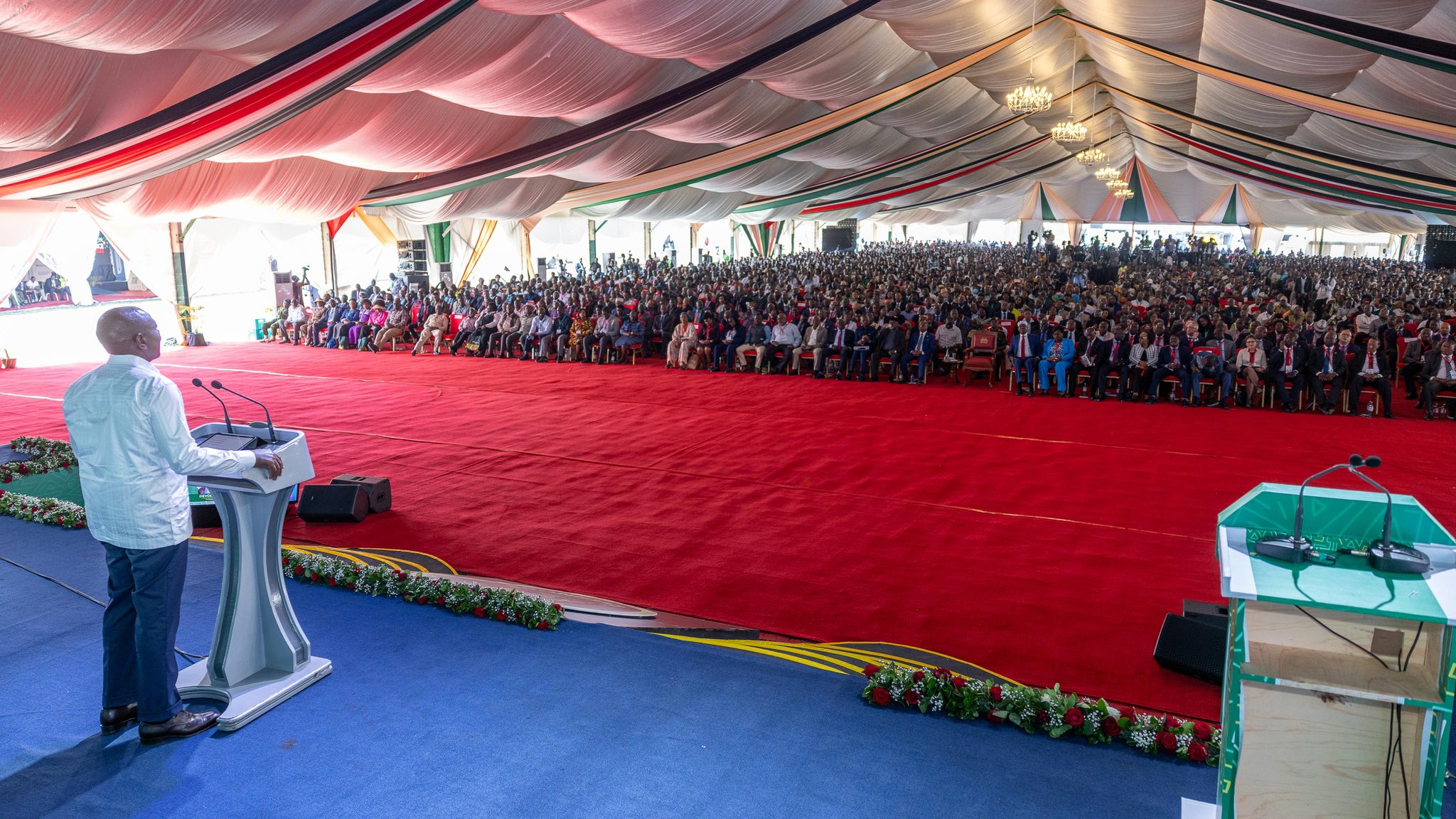
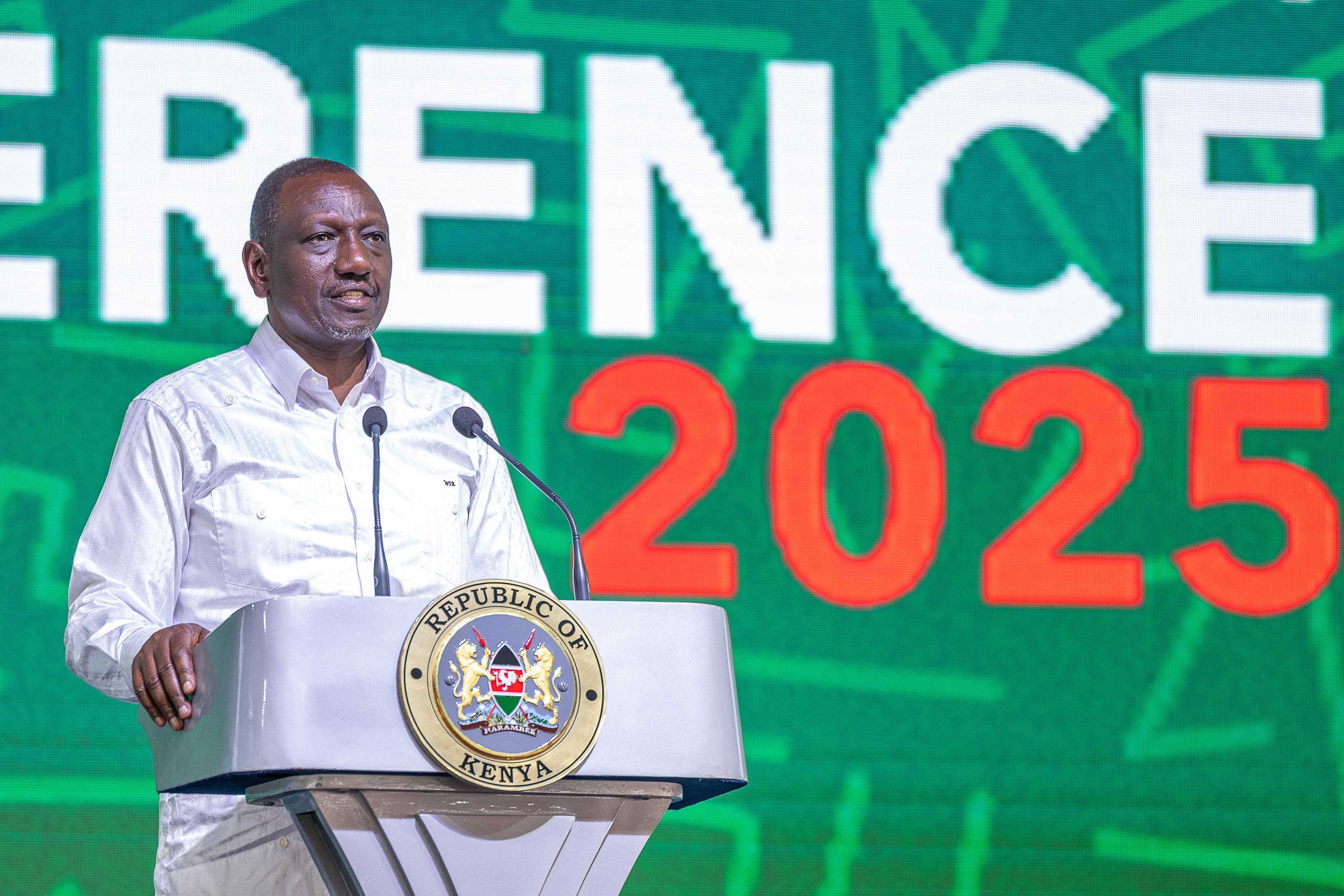
ministers,” Ruto said during the opening of the 2025 Devolution Conference in
Homa Bay.
The President singled out parliamentary oversight committees,
accusing members of soliciting huge bribes to write skewed reports or ignore
serious accountability breaches.
“It is not possible that committees of Parliament demand to
be bribed and paid for them to write reports or to look the other way for what
is happening in either the national or county governments,” he said.
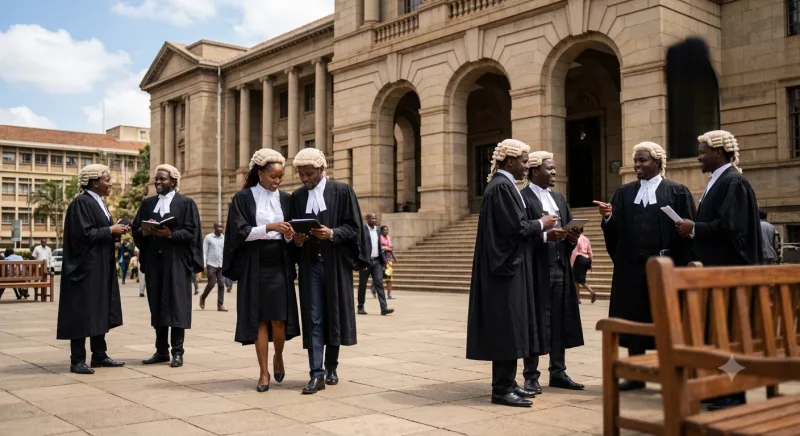
Turning to the Judiciary, Ruto accused it of shielding the
corrupt through the use of “anticipatory bail” — a provision he claimed is
unique to Kenya and undermines accountability.
“It is a Kenyan innovation that takes us backwards… Someone
who has stolen public funds goes to court, gets anticipatory bail, and cannot
be arrested or prosecuted endlessly. How does that support the fight against
corruption?” he asked.
Ruto warned that entrenched graft is slowing his Kenya
Kwanza administration’s transformation agenda.
He directed anti-corruption agencies to intensify their
work, noting that his government had already enacted tough laws and provided
sufficient resources to fight the vice.
He cited the recent enactment of the Conflict of Interest
Act, which bars public officers from doing business with the government, as one
of the progressive measures in place.
“The EACC [Ethics and Anti-Corruption Commission] must take
up its role. I have made it clear to the chair and CEO that there will be no
sacred cows and no telephone call from anywhere to stop anyone from being
prosecuted for corruption,” he said.
The ninth edition of the Devolution Conference was dominated
by concerns over worsening graft in counties, evasion of accountability by
governors, delays in disbursing funds, and skewed revenue-sharing between the
two levels of government.
In a bid to combat corruption, Ruto said his administration
rolled out the eCitizen, whose integrity has been controversial, which sealed some
leakages.
“Most importantly, eCitizen has been a powerful weapon
against corruption. By eliminating cash handling and embedding full digital
audit trails, we have reduced opportunities for bribery and made transactions
traceable, fair and secure,” he said.
The President said he has signed into law a bill granting
county assemblies financial autonomy and is currently waiting for another bill
granting MCAs pensions upon retirement.
The legislations, he said, are meant to empower the ward
reps to effectively oversight county executives to tame graft.
Senate Speaker Amason Kingi, who spoke before the President,
warned that corruption and weak oversight systems were eroding public trust in
devolution. He criticised governors who defy Senate summons to account for
billions allocated to them.
“Failure by some governors to honour Senate summons not only
undermines accountability but also erodes the good working relations between
the two levels of government,” Kingi said.
He also cited duplication of roles, power struggles between
national and county governments, poor revenue mobilisation by counties and
wrangles within county assemblies as key obstacles to effective service
delivery.
Council of Governors chairperson Ahmed Abdullahi said
despite successes, devolution still faces structural and administrative
challenges, including delayed disbursements, inadequate funding, and laws that
predate the 2010 Constitution.
“It is important that we continually assess what has worked
and what has not. In this 2025 Devolution Conference, we will examine how to
enhance devolution’s catalytic power of equity, inclusion and social justice.
Abdullahi listed devolution gains in various sectors,
including health, agriculture, education, trade and investment and over the
last 12 years.
In health, for instance, he said, there were only 874
medical doctors and 6,620 nurses in public hospitals in 2013.
Today, the numbers have expanded to 34,220 nurses, 4,651
medical doctors, 7,877 clinical officers, 4,686 laboratory technicians and
technologists and 1,942 nutritionists.
“This represents more than a fourfold growth in human
resources, underscoring the significant county-level investment in health
personnel,” he said.

 President William Ruto/FILE