The
Jubilee Party is engineering a political resurgence in the Mt Kenya region,
positioning itself for a three-way battle with
the ruling United Democratic Alliance and ex-DP Rigathi Gachagua’s Democracy
for the Citizens Party in the 2027 general election.
Once
a dominant political force that swept nearly all elective seats in 2017, Jubilee
was reduced to a shadow of its former self in the 2022 polls.
Analysts say a recent
combination of legal wins, strategic restructuring, and renewed grassroots mobilisation
suggests the party is not ready to fade into irrelevance.
They
argue a major turning point came via a Gazette notice dated June 30 this year when
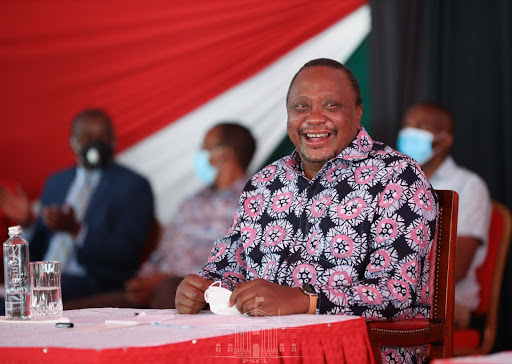
the Registrar of Political Parties officially reaffirmed former President Uhuru Kenyatta
as the party leader.
This
followed a High Court ruling upholding the 2023 National Delegates Convention
(NDC) resolutions, reversing a decision by the internal dispute resolution
committee that had nullified leadership changes.
Already
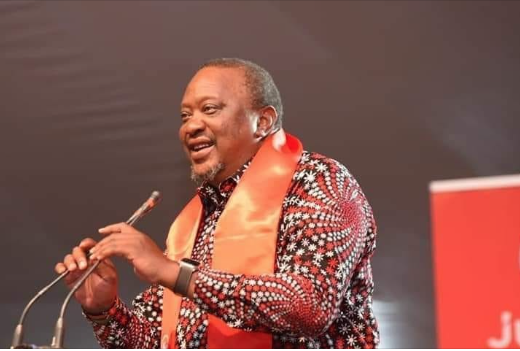
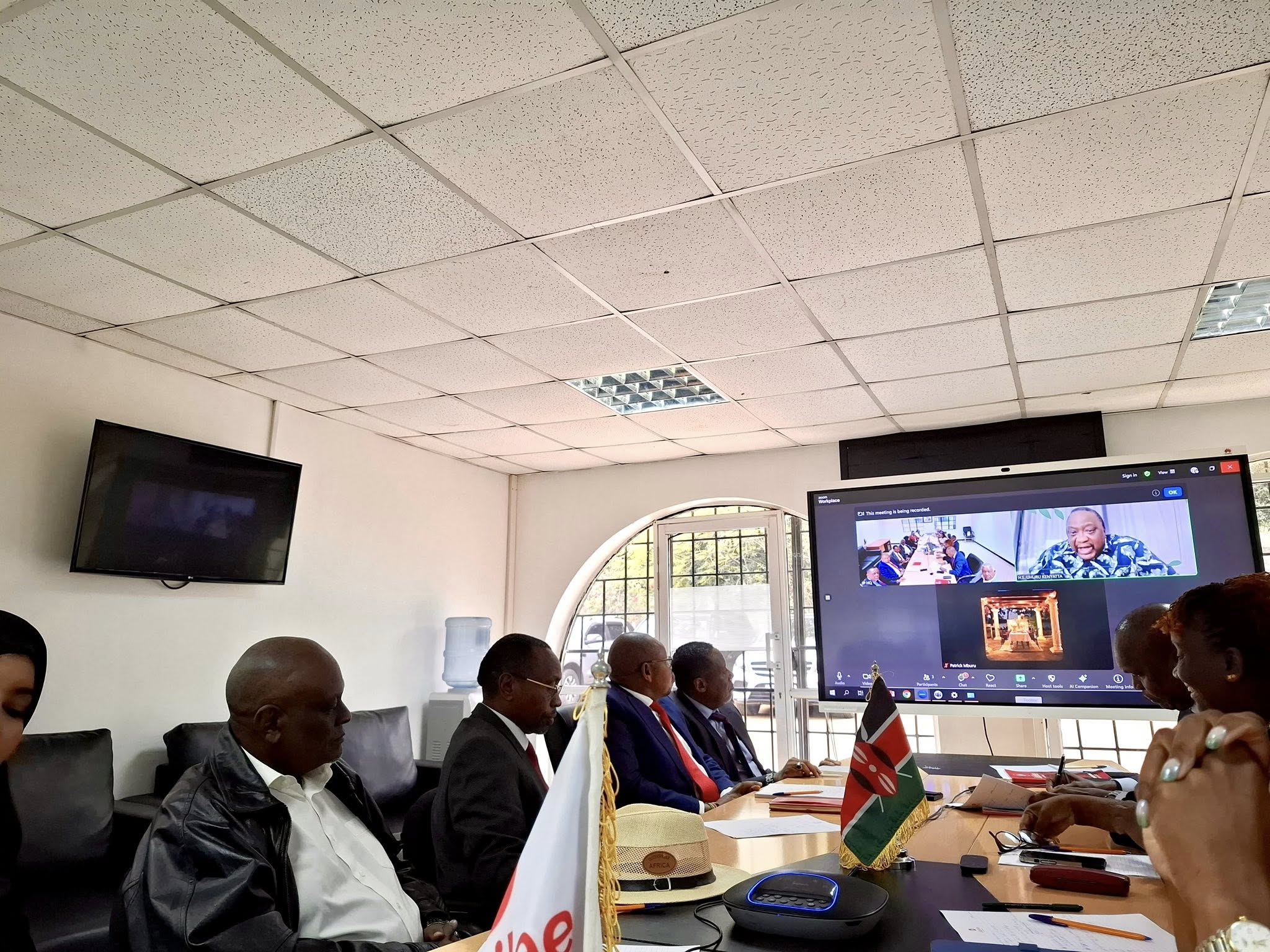
former Uhuru has announced a special NDC set for the end of August,
issuing a 21-day notice as required by the party’s constitution. Uhuru said
the meeting will take place at the Jockey Club, Nairobi. The agenda includes a
status report from the National Executive
Committee, policy reviews and other key party matters.
Speculation
is rife that the Jubilee is exploring a potential coalition with
several Mt Kenya-based outfits, including the Party of National Unity, Chama
Cha Kazi, the Party of Democratic Unity and the Democratic Party of
Kenya (DP), among others.
The
PNU has already intensified grassroots activities while opening local offices
and mobilising members, signalling readiness for broader political collaboration.
Chama
Cha Kazi leader Moses Kuria has publicly expressed interest in joining Jubilee, even
eyeing the position of party secretary general.
However,
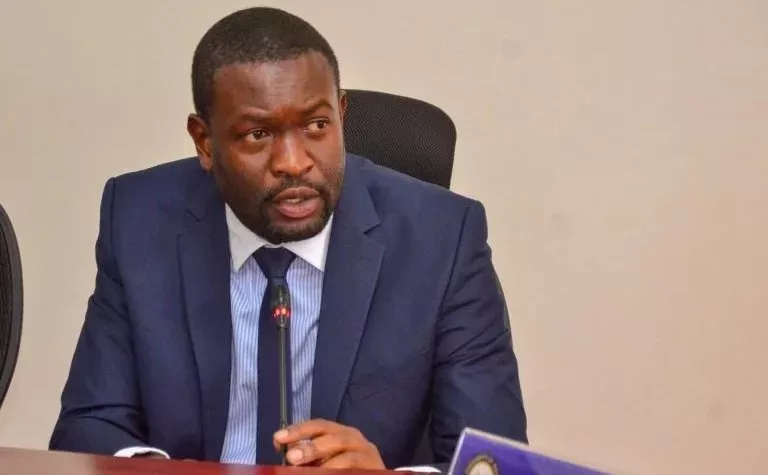
DP national chairman Essau Kioni told the Star on Wednesday that
his party has not been formally approached by
Jubilee
officials.
“We
would be glad to work with Jubilee again, as we have done before,” Kioni
said. “But folding our party is not an option. Ours is the second-oldest party
after Kanu, and preserving its identity remains a priority.”
Kioni
emphasised that DP has a long history of partnering with other parties
across the country and described Jubilee as a “cousin party”, saying any
collaboration between the two would not be unprecedented.
While
Kioni has denied ongoing talks with the Jubilee, inside sources
reveal that DP leader Justin Muturi has held multiple talks with senior
Jubilee officials since his exit from the Kenya Kwanza administration.
Muturi,
in an interview with Inooro FM, recently admitted that leaders within Kenya
Kwanza were forced into vilifying Uhuru during the 2022 election.
“I
will always respect former President Uhuru Kenyatta. He was firm but fair
– a leader who listened, embraced differing views, and never ruled through
intimidation,” Muturi said. “We’re still friends to this day, and I value
that bond.”
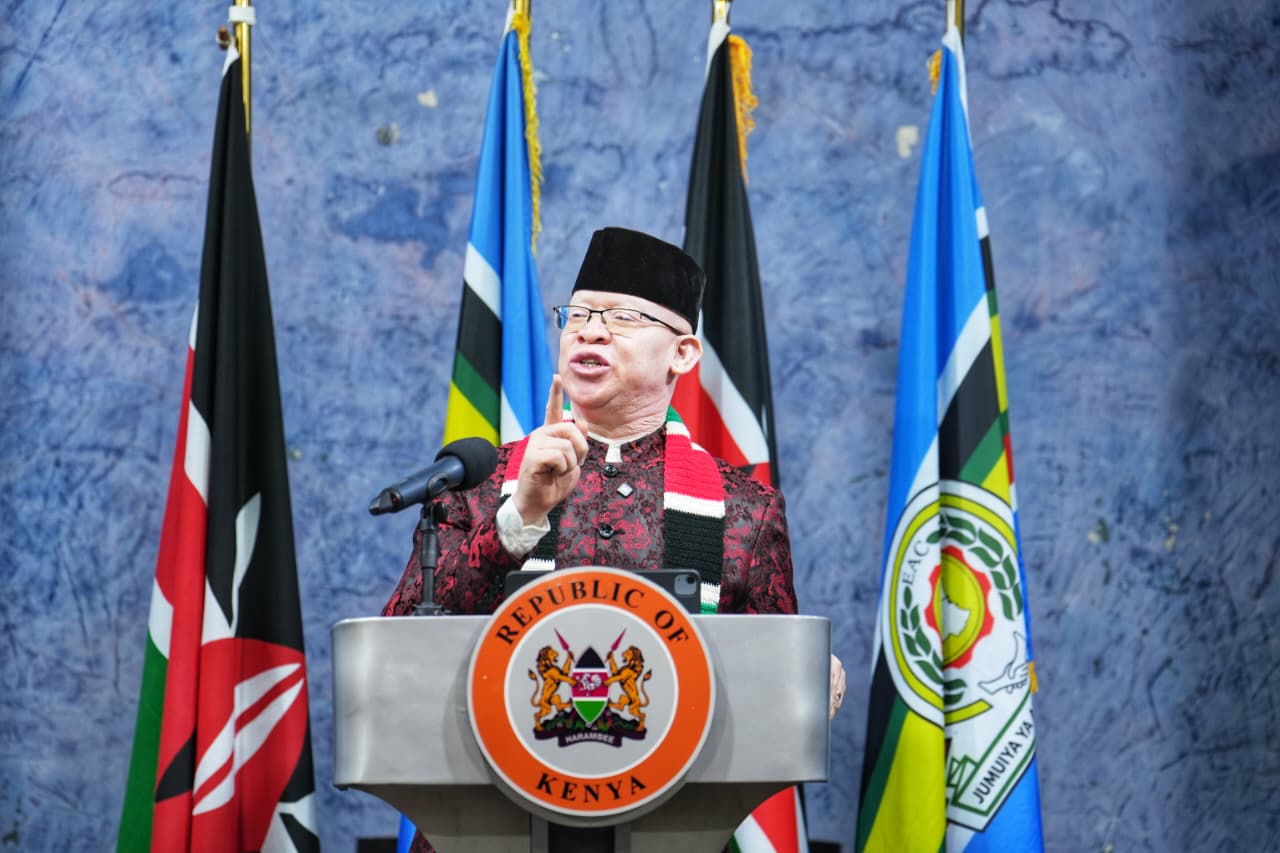
Isaiah
Gichu, the national chairman of the PDU party, has neither confirmed
nor denied the possibility a coalition with Jubilee.
Gichu
emphasised there have always been efforts to unite Kenyans by bringing together
leaders from different political parties as a way of strengthening democracy. He
said PDU is open to working with like-minded parties that champion development,
peace, and transparency in leadership.
“We
have been collaborating with other political parties before, and Jubilee would
be no exception. What we stand for is growth, peace, and unity—and we will continue forming coalitions that reflect those values,” Gichu said.
The
Star has learned that Jubilee’s revival plan will borrow heavily from
the 2013 TNA strategy, whereby multiple affiliated parties
contested grassroots seats while uniting behind a single presidential
candidate.
As
part of the strategy, the party will intensify grassroots mobilisation in
its traditional strongholds, particularly in Mt Kenya region, by courting its
former supporters and leaders.
Those
said to be aiming for a comeback to Jubilee include former Kipipiri MP Amos
Kimunya, former Kirinyaga Senator Charles Kibiru, and former Kiambu Governor
James Nyoro, among others.
The
comeback campaigns will involve outreach to church leaders, community
influencers, and even former allies who claimed the UDA rigged them out in
the 2022 election.
“Very
soon, you’ll begin to see former President Uhuru Kenyatta making public
appearances, while Secretary-General Jeremiah Kioni and Vice-Chairman David
Murathe will be more visible in the media through TV interviews and press
briefings to give updates on the party’s activities,” a source said.
Murathe
recently hinted at plans to revive and strengthen the party, though he offered
few details.
Speaking
during the burial of the son of veteran musician Peter Kigia a month
ago, he delivered a speech on behalf of Uhuru, briefly mentioning the party’s
future.
Without
elaborating, Murathe assured mourners that efforts were underway
to “make things better.”
He
joked about his long-standing relationship with Chama Cha Kazi, saying
they may differ politically but remain friends.
“I
don’t like speaking before Moses Kuria—you never know how he’ll respond
afterward,” Murathe said, adding, “But I believe things will be okay for
those who believe.” He was echoing Jubilee’s slogan, ‘We Believe’ in a subtle
and coded message.
Kuria,
who also addressed the gathering, acknowledged the unpredictable nature
of politics, especially as the country heads toward the 2027 polls.
“Politics
is dynamic. No one can tell which party will win in 2027,” Kuria said.
He resigned in July President Ruto’s economic adviser.
Former
Menengai East MCA aspirant John Wahinya said the Jubilee has retained residual
goodwill in the region, especially among leaders
uncomfortable
with the increasingly personalised rivalry between Gachagua
and DP Kithure Kindiki.
“Jubilee
has the backing of Uhuru’s legacy and public trust. If it presents a fresh
agenda and welcomes leaders sidelined by Gachagua or Ruto, it can become
a serious player in 2027,” Wahinya said.
Political
analyst Albert Kasembeli agreed but cautioned that Jubilee’s rebirth must
be more than nostalgic symbolism.
“To
be taken seriously, Jubilee needs ideological clarity. Mt Kenya voters
are politically alert. A party that promises unity, economic empowerment,
and a generational shift in leadership could thrive,” he said.
He
added that Jubilee still carries the legacy and goodwill of Uhuru, and many
leaders and voters in Mt Kenya who feel alienated
by the current
leadership are quietly gravitating towards it.
“As
2027 nears, don’t be surprised if Jubilee becomes the political home for those
distancing themselves from Gachagua and Ruto camps,” Kasembeli said.
Former
Nyeri Town MP Ngunjiri Wambugu, in a recent interview with Kogi Corner,
publicly distanced himself from the Democracy
for Citizens Party, days after being dropped from Gachagua’s
communications team.
Declaring
himself a staunch Jubilee loyalist, Wambugu criticised DCP’s leadership
for promoting one-party dominance at the expense of inclusive political
dialogue.
“The
impeached deputy president is pushing for a monolithic political structure
that sidelines divergent voices—a dangerous slide back to dictatorship,”
Wambugu said.
On
May 9, Wambugu held a closed-door meeting with Jubilee Secretary-General Kioni
at party headquarters, after which the two posed
for a photo.
Wambugu,
in a cryptic social media post this week, hinted at a deeper strategy underway
within the Jubilee Party.
“I
have a proposal: Both my ‘likers’ and ‘haterz’ join #JubileeParty; then I’ll apply
for a position in NEC; and we all vote and I see which group is bigger,” he posted.
It’s
believed Wambugu is being assigned to lead the Jubilee’s digital strategy team, while
Starehe MP Amos Mwago is being tasked with youth mobilisation.
Political
analyst Geoffrey Minodi, a former adviser to the Kakamega deputy governor, says Jubilee
could stage a strong comeback if it wins the hearts of Kenyans by promising
credible and inclusive leadership.
“The
revival of Jubilee is symbolic, but without a clear agenda, it risks being a
noise-making platform. The meeting between Uhuru and Ruto might only be
a temporary truce. The underlying succession tensions in Mt Kenya still
exist,” Minodi said.
Former
Jubilee MCA Charles Mwangi echoed similar sentiments, arguing that
the party still commands silent loyalty on the ground. He said many grassroots supporters
are simply waiting for Uhuru’s signal—which could frustrate Gachagua’s recent
political wave.
“People
underestimate Jubilee’s roots on the ground. There are thousands who
have gone quiet, but they haven’t shifted loyalty. They’re just waiting for
Uhuru to speak. If that moment comes, we could see a reawakening similar
to the 2013 wave,” Mwangi said.
Kikuyu
Council of Elders chairman Wachira Kiago, in a recent interview with
the Star, urged Kenyans to embrace unity.
“This
is not the time for infighting. Mt Kenya must remain united and focused,”
Kiago said. “Let us support our leaders—not out of blind loyalty, but for
peace, development, and prosperity.”

 Jubilee leader Uhuru Kenyatta/ FILE