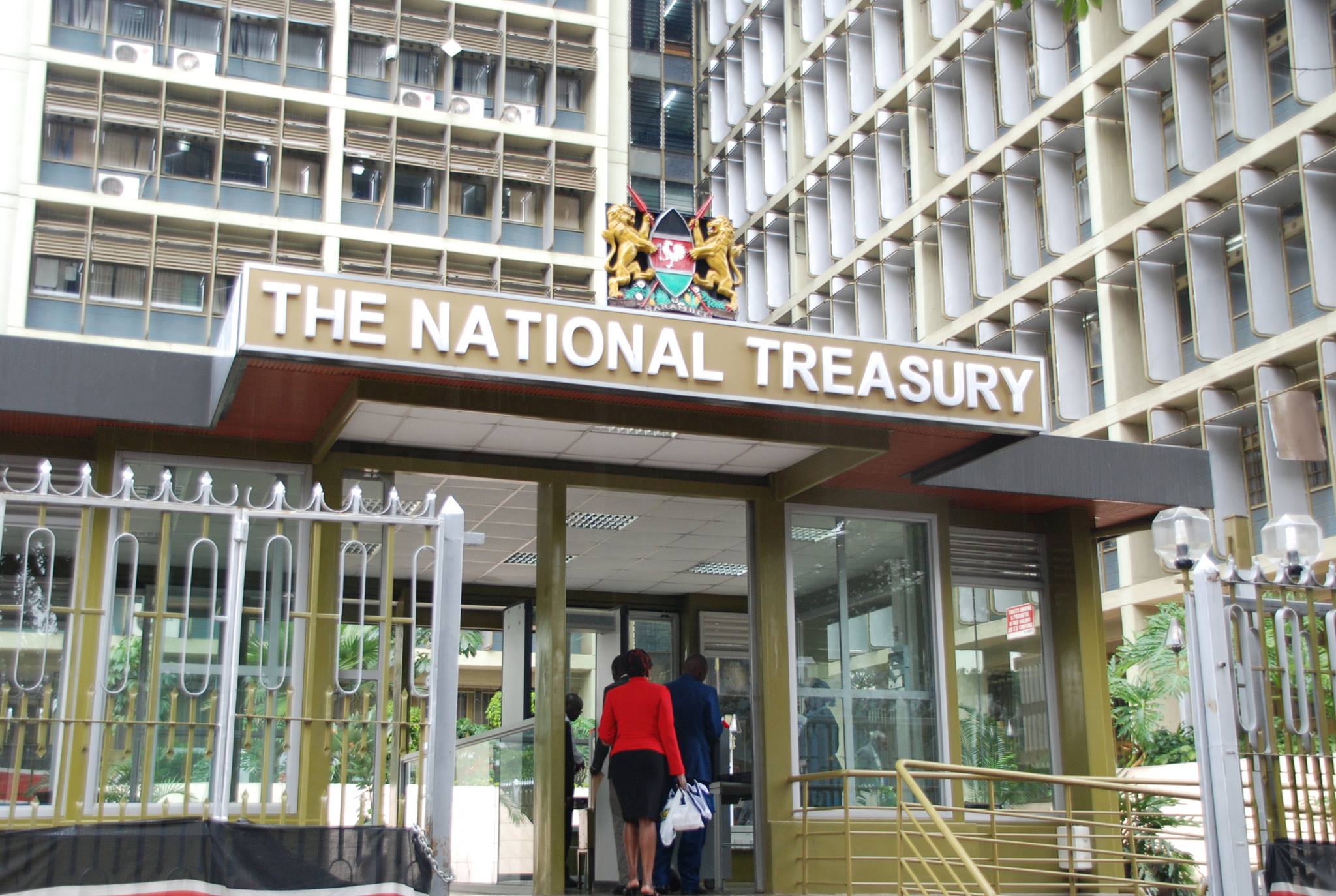
The National Treasury and the Senate are plotting a drastic
move to withhold funds from counties flagged for persistent financial
mismanagement—an action that could trigger a major crisis in the devolved
units.
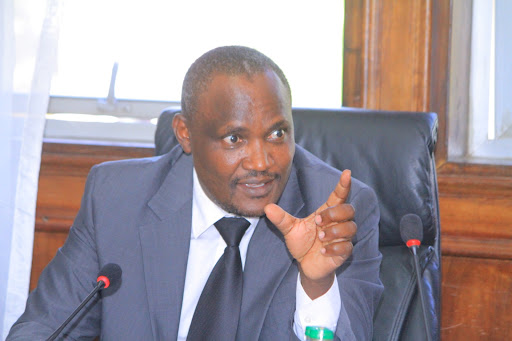
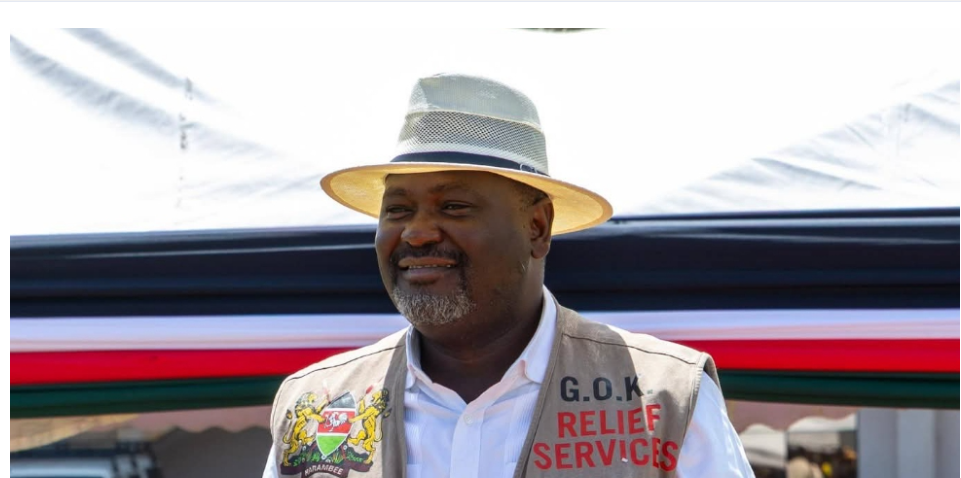
On Thursday, Cabinet Secretary John Mbadi and the
Senate’s County Public Accounts Committee agreed to sanction counties
that continue to flout financial regulations.
“I agree—a lot of what is happening in counties needs to be
punished. At times, a reprimand is necessary. Some of it is outright
misbehavior on the part of county governments,” he said.
The revelations emerged during a meeting of the committee and
the CS in Parliament.
CPAC, chaired by Homa Bay Senator Moses Kajwang’, is
compiling a list of counties with glaring financial irregularities to present
to the CS, recommending a freeze on their funding.
The focus is on counties burdened with huge pending bills,
bloated wage bills, rampant corruption, and repeated adverse or disclaimer
audit opinions.
“You’ll find a county where the wage bill is over 50
per cent. It has an adverse audit opinion or disclaimer and faces serious issues
in procurement and financial management,” Kajwang’ said.
Article 225 of the constitution empowers CS for Finance to stop transfer of funds to a state organ or public
entity under certain circumstances, such as serious or persistent breaches of
financial regulations.
However, the constitution limits this power—such a
suspension cannot exceed 50 per cent of the county’s allocated funds and must
not last more than 60 days.
Kajwang said the law requires counties whose funds have
been withheld to develop a financial recovery plan.
“Sometimes, that is what these counties need because the primary
oversight has completely died," he said.
“In the Senate, we are morticians and yet the public will
tell me I’m not correcting the county government, yet that is the primary
responsibility of the county assembly.”
Senator Kajwang’ cited Nairobi and Mombasa as examples of
counties drowning in debt, with pending bills surpassing Sh100 billion and Sh28
billion, respectively.
“Perhaps the public’s frustration with government stems from
incompetence and inefficiency at the county level,” he said. “
“What’s your position? Because we in the Senate would wish
to halt funding to some counties, but the constitution gives that mandate to
you.”
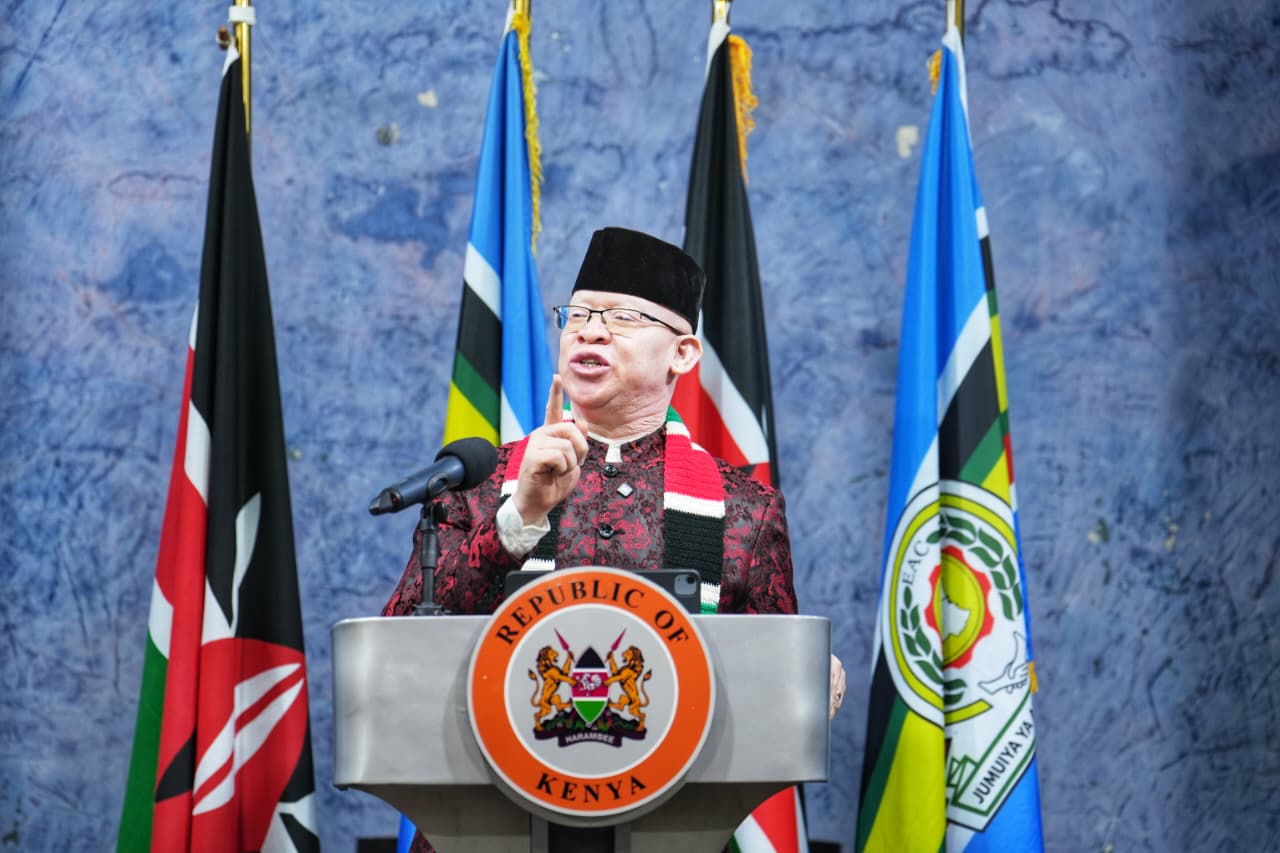
Nairobi Senator Edwin Sifuna and Isiolo Senator Fatuma Dullo also expressed concerns over the worsening financial mess and called for immediate action.
“For the sake of the Senate’s frustrations, just give us one
county,” Sifuna said.
Mbadi agreed that the state of county financial management
is dire and warrants punitive measures to enforce discipline.
“You find counties requisitioning funds to pay for one item
and redirecting the money elsewhere without explanation—leaving some bills
unpaid for too long. This needs to be addressed,” he said.
The CS, however, called for caution, warning of unintended consequences of halting county funding.
“My understanding of Article 225 is that it should be
exercised as a last resort—and with extreme care. When you stop transfers,
you’re not just punishing governors or governments; the entire county
suffers,” he said.
“There will be no services. Employees won’t be paid—and they
have children and dependents. So yes, you have power, but it must be exercised
responsibly.”
According to CPAC’s audit review report, at least 16
counties are spending more than 50 per cent of their revenue on wages—far above
the recommended threshold.
According to a report by the committee on its review of the audit
reports for the counties, at least 16 county governments have wage bills exceeding
50 per cent of their revenues.
They are Kisii at 60 per cent, Mombasa (57,
Laikipia (55), Elgeyo Marakwet (55) and Nyeri (55).
Murang’a is at 54 per cent, Homa Bay (53), Nyamira (53),
Kisumu (52), Taita Taveta (52), Machakos (52), Kericho (50), Bomet (50), Meru
(50) and Tharaka Nithi (50).
INSTANT ANALYSIS
In 2020, the then Treasury CS, Ukur Yatani sought to stop the
release of funds to several counties flouting the President’s pending bills
directive, a move likely to plunge counties into more financial crises. Treasury
had indicated it will withhold disbursement of cash to another 20 counties
bringing the number of devolved units unable to get cash over unpaid pending
bills to 35.