The US Congress has launched a high-level
review of Kenya’s designation as a major Non-NATO ally, a status granted
just over a year ago in June last year.
The US Senate has received a bill sponsored by James Risch
to actualise the change, signalling growing scrutiny over Nairobi’s geopolitical
alignments and security partnerships.
The review, mandated by newly proposed legislation,
underscores Washington’s unease with Kenya’s deepening ties with US
adversaries—including China, Russia and Iran.
Risch is the chairman of the Senate Committee on Foreign Relations.
The Trump administration has also raised concerns over human
rights abuses and financial transparency by President William Ruto's administration.
“Not later than 90 days after the date of the enactment of
this Act, the Secretary of State, in coordination with the Secretary of
Defense, the Secretary of the Treasury and the Director of National Intelligence,
shall commence a review of the major non-NATO status of Kenya, conferred on
June 24, 2024,” the bill reads in part.
The Senator had in May warned that the ties with Kenya would
be reviewed, citing the country’s ties with China, which he said were
troubling.
“Widened diplomacy with America’s greatest competitor is not
an alliance – it is a risk for the US to assess,” he said then.
As such, the US seeks, through the bill, to assess Kenya’s
military and economic relationships with China, Russia and Iran, including
arms deals, training programmes and joint activities since mid-last year.
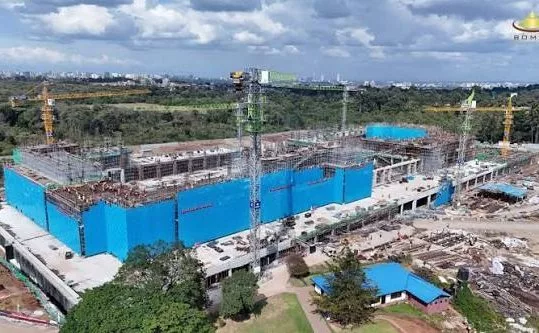
Of particular concern is China’s Belt and Road Initiative, for which Kenya is a key strategic partner in its endeavours to
expand its infrastructure footprint.
Among the flagship projects under the BRI are the Mombasa-Naivasha standard-gauge railway and associated upgrades of Mombasa
ports and other inland cargo handling infrastructure.
The US seeks to assess “trade and investment relationship of
Kenya with the PRC, including BRI, bilateral debt and commercial ties.”
China is also credited with the Nairobi Expressway, which is
hailed for shortening the commute between Jomo Kenyatta International Airport
and the Nairobi central business district.
Beijing is also poised to lead the upcoming
expansion of the Rironi-Mau summit highway into a dual expressway and SGR
extension to Kenya’s border with Uganda at Malaba.
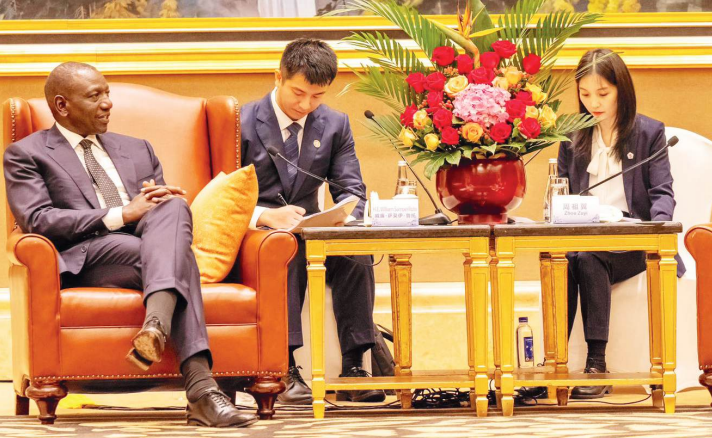
The deals were signed during President Ruto’s visit to China
on the invitation of his Chinese counterpart, Xi Jinping.
The US is also keen on reviewing Nairobi’s
dealings on matters of counterterrorism and observance or violation of human
rights.
The bill seeks “a detailed description of the political and
financial links of key political actors and institutions of Kenya with the People’s
Republic of China, Russia and Iran”.
While Kenya remains a US frontline ally against al Shabaab,
the review will examine whether US security assistance has been misused in
operations involving abductions, torture or violence against civilians.
Kenya’s alleged ties to non-state armed groups, such as
Sudan’s Rapid Support Forces, and violent extremist groups, will also be
scrutinised in the review.
“Not later than 180 days after the date of the enactment of
this Act, the Secretary of State, in coordination with the Secretary of Defence
and the Director of National Intelligence, shall submit to the appropriate committees
of Congress a classified report containing the findings of the review required,”
the proposed change reads.
The Treasury Department will further investigate whether
Kenya has become a haven for sanctioned entities or terrorism financiers,
especially those linked to conflicts in South Sudan, Somalia and Uganda.
Kenya’s leadership in Haiti’s peacekeeping mission—a US-backed
endeavour—has faced domestic backlash. The review will weigh whether Nairobi’s
global commitments align with its capacity to stabilise East Africa.
When the matter arose, Kenya said it had the “right, as a sovereign
nation, to choose its friends and determine whom it associates with.”
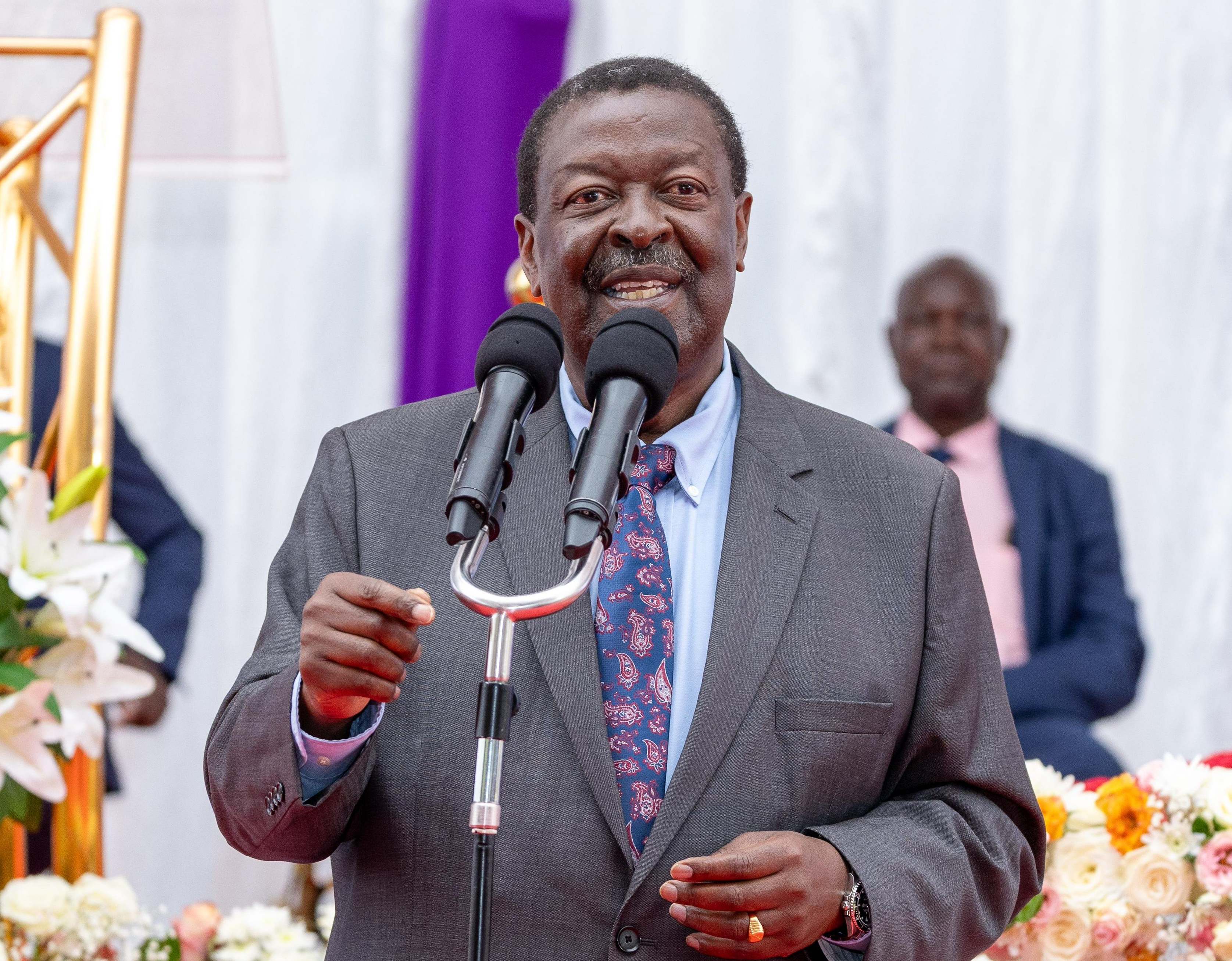
Foreign Affairs CS Musalia Mudavadi said then that the country’s
“engagements with other nations should not be taken out of context.”
Kenya’s major non-NATO ally status, conferred during
President William Ruto’s historic state visit to Washington in May last year (under
the Joe Biden administration), marked it as the first sub-Saharan African
nation to receive such an honour.
The designation recognised the country’s pivotal role in
counterterrorism, regional stability and maritime security, particularly its
contributions to combating al Shabaab in Somalia.
It was also owing to Kenya’s role in leading the UN- backed police mission to wipe out gangs running roughshod in
Haiti.
The benefits included priority access to US defence
equipment, joint military research and eligibility for surplus arms loans.
Yet the review, led by the Secretary of State in
coordination with defence and intelligence agencies, reflects mounting
anxieties that these privileges may be at odds with Kenya’s engagements
elsewhere.
The review coincides with heightened great-power competition
between the US and China in Africa.
China’s naval base in Djibouti and Russia’s Wagner Group
operations in Sudan have amplified US efforts to counterbalance the influence
they have had over Africa for years.
INSTANT ANALYSIS
President Ruto’s government walks a tightrope amid the latest
assertions by the US. While the major non-NATO ally status bolsters the country’s
defence capabilities and international prestige, its economic reliance on China
complicates alignment with US priorities. The review’s findings, which are
expected to be submitted to Congress by early 2026, will shape future US-Kenya
relations.