The government has revised its outlook on the anticipated El Niño season, saying the enhanced rains expected later this year are now projected to continue until January next year.
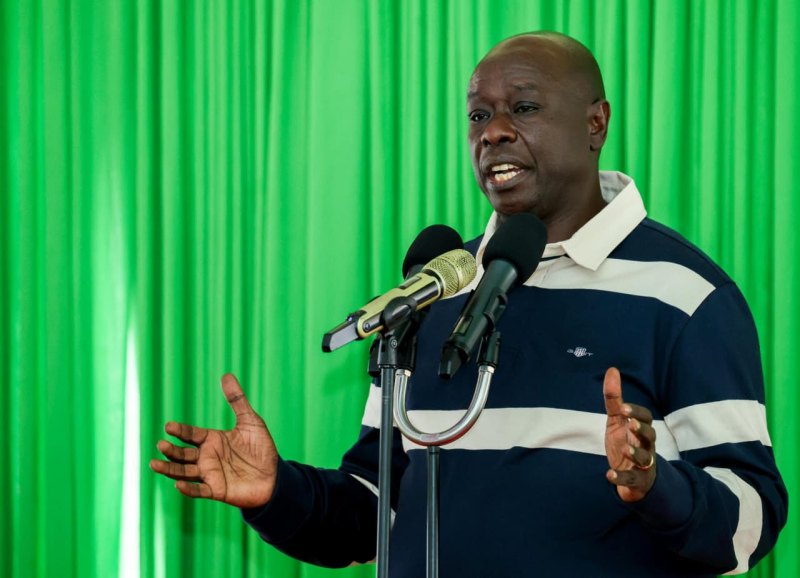
Deputy President Kithure Kindiki said the extension comes as the country prepares for the effects of depressed rainfall in key cereal-growing regions, which is expected to result in a lower harvest in the coming weeks.
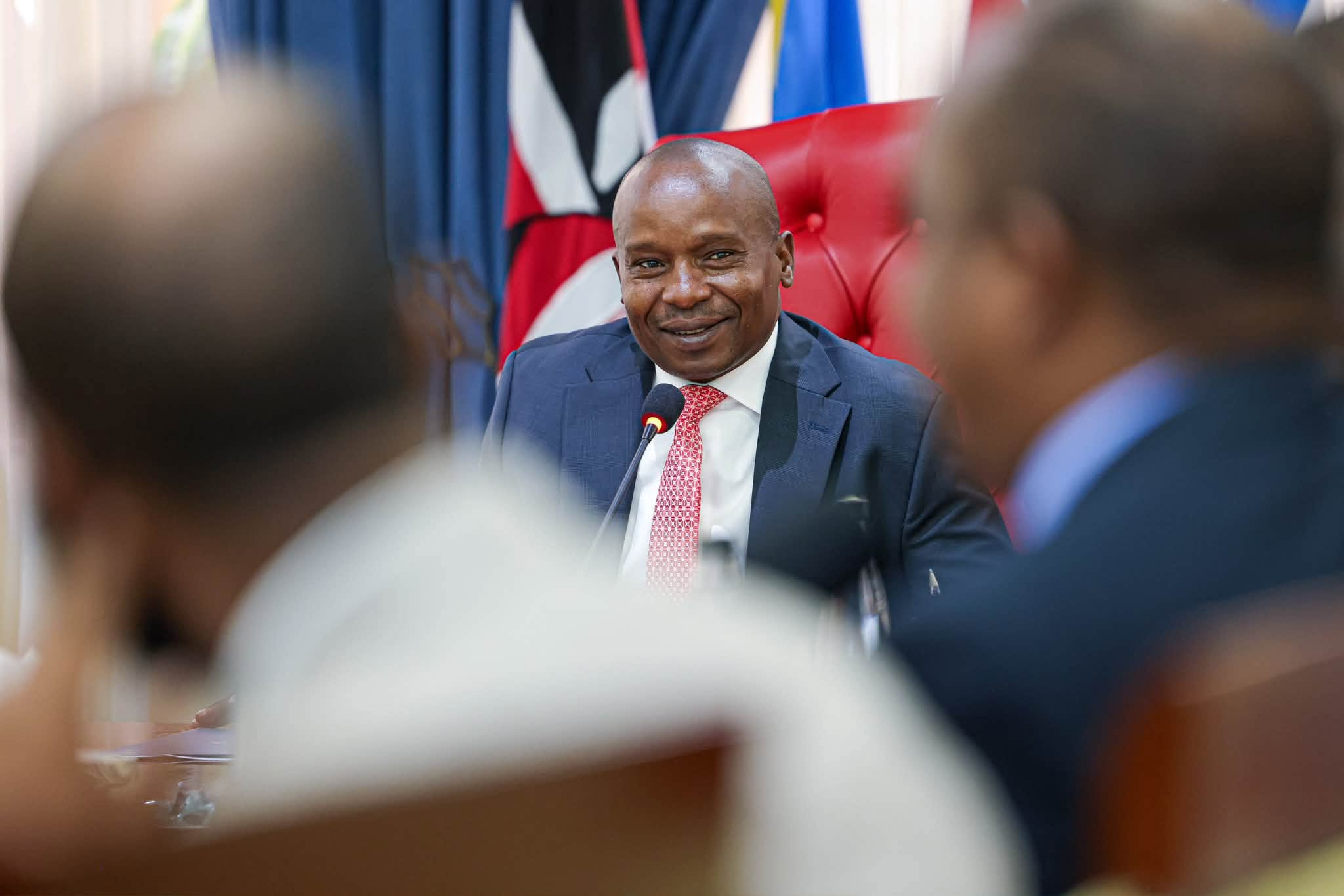
"Following depressed rains in the cereal-producing parts of Kenya this season, a lower harvest is expected in the coming weeks. This situation is predicted to result in El Niño rains from October until January next year," Kindiki said after chairing a meeting with Cabinet Secretaries and Principal Secretaries in Karen on Friday.
The announcement marks a shift from earlier forecasts by the Kenya Meteorological Department, which had projected that the enhanced rainfall associated with El Niño would mainly occur during the October-November-December rainy season.
Kindiki said the government was already planning for both the expected poor harvest and the extended rainfall period to cushion vulnerable households and support farmers ahead of the next planting season.
"The government is seized of the food security implications of both the expected sub-optimal harvest and subsequently the predicted El Niño rains to ensure citizens are cushioned from hunger and farmers are supported with subsidised farm inputs to enable them maximise production in the October-December season," he said.
He said the meeting focused on coordinating preparedness measures and establishing regular monitoring of the country's response.
The latest update builds on an assurance Kindiki gave on July 2, when he said there was no cause for alarm despite forecasts of moderate-to-strong El Niño conditions later this year.
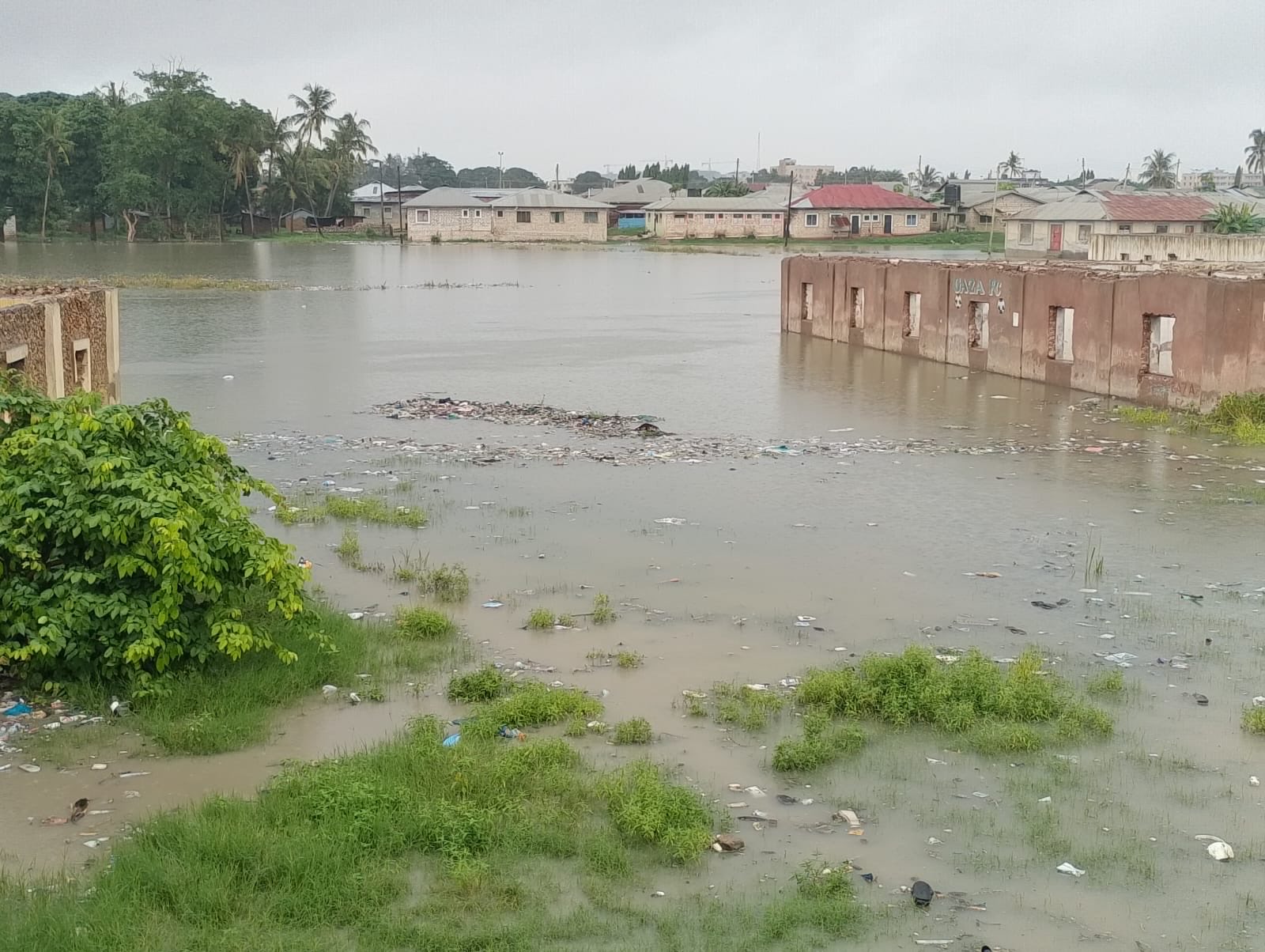
At the time, he said all relevant ministries and agencies had been placed on high alert to prepare for possible flooding, damage to infrastructure, disruptions to supply chains and public health risks.
"We want to tell the public not to panic. We are engaged; all the ministries and agencies are engaged to ensure in the event of the rains, the country is prepared and not taken by surprise," Kindiki said then.
He also disclosed that the government had activated a National El Niño Contingency Plan, including flood mitigation measures, evacuation arrangements for vulnerable communities, reinforcement of roads and bridges, pre-positioning of emergency supplies and advisories to farmers.
Earlier forecasts by the Kenya Meteorological Department had indicated an 80 to 82 per cent probability of El Niño conditions developing during the middle of the year, although the agency maintained that most parts of the country would remain largely dry through June, July and August.
Acting director of Meteorological Services Edward Muriuki said in June that the enhanced rainfall associated with El Niño was expected during the October-November-December season, with the eventual intensity depending partly on the Indian Ocean Dipole (IOD), another climate phenomenon that influences rainfall over East Africa.
Meteorologists have warned that if a positive IOD develops alongside El Niño later this year, Kenya could experience significantly enhanced rainfall similar to previous major El Niño episodes.
Scientists have also cautioned that the developing 2026 El Niño could become one of the strongest in recent years, prompting the government to intensify preparedness efforts well before the onset of the rains.