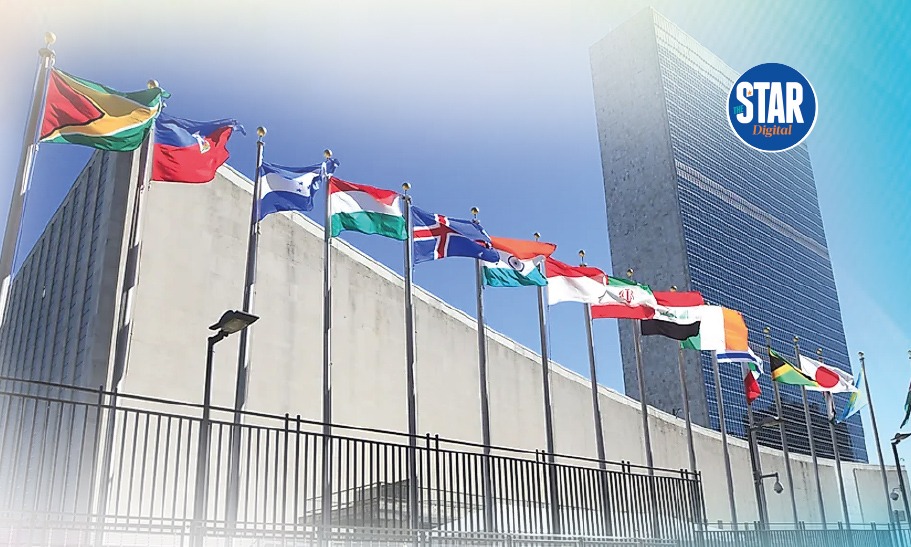
Early this year, the United Nations Secretary General, António
Guterres, announced plans to relocate at least three agency headquarters from
New York to Nairobi, Kenya.
The United Nations complex in Gigiri, Nairobi, is already undergoing
extensive infrastructure improvements as the city prepares to accommodate
additional UN agencies by 2026.
This relocation is part of a broader UN reform initiative
aimed at decentralising operations to more affordable and strategically located
cities.
These offices include the United Nations Children's Fund
(UNICEF), the United Nations Population Fund (UNFPA), and the United Nations
Entity for Gender Equality and the Empowerment of Women (UN WOMEN) programmes.
The new offices will be in addition to the current two
global offices, the United Nations Environment Programme (UNEP) and the
UN-HABITAT, which have their headquarters in Nairobi.
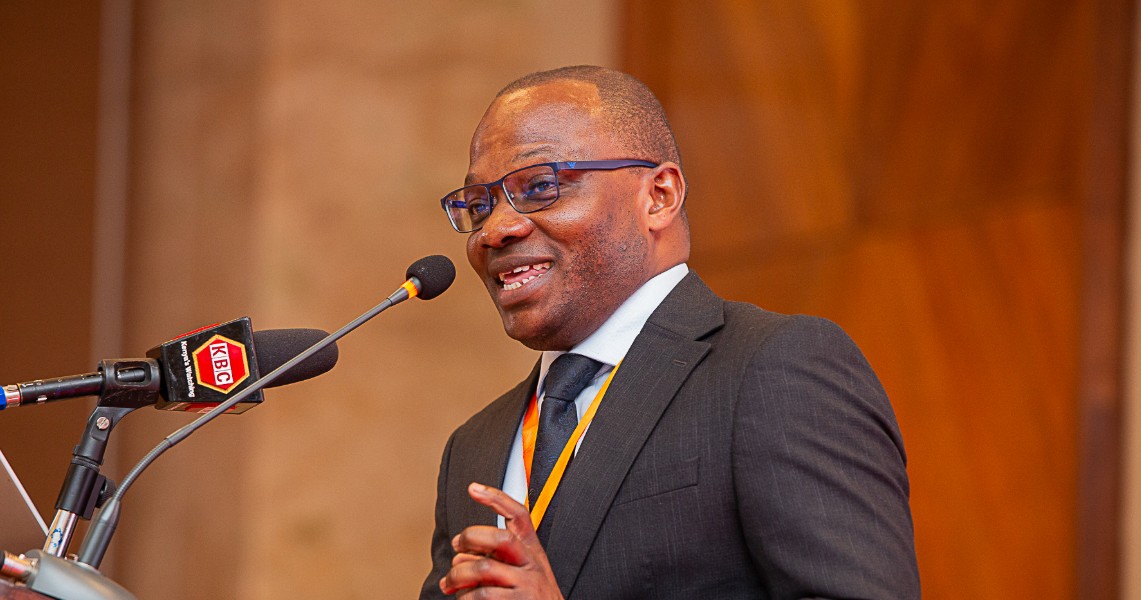
According to Prime Cabinet Secretary Musalia Mudavadi, Kenya’s strategic positioning as a logistics and financial hub gives it an
edge in supporting the UN’s role in multilateral diplomacy and advancing global
and regional priorities.
“We are working very closely, and Kenya is looking forward
to UN’s support with a commitment to make Nairobi a very critical hub for the
UN’s operations both in the country, regionally, and across the globe,” Mudavadi said during an inspection of ongoing expansion works at the UN.
“Kenya will be leveraging on the UN’s existing presence in
the country and the opportunities presented by its operations in the greater
horn, east and central Africa sub-regions.”
The UN is also investing at least $340 million to construct
a new 9,000-seat assembly hall along with 30 new conference rooms. It will be
the first such facility built for UN General Assembly functions outside New
York since 1949.
All these reforms fall under UN80 initiative. The Initiative is a system-wide reform launched by Guterres
in March 2025, to enhance the UN’s efficiency, effectiveness, and relevance by streamlining operations, increasing impact, and reaffirming its
role in addressing global challenges.
It will focus on improving internal efficiency by reducing
bureaucracy and optimising the UN’s global presence through relocating certain
functions to lower-cost duty stations. Rwanda and Botswana have also expressed
interest in hosting UN offices.
This expansion is expected to solidify Nairobi's standing as
a central UN hub, complementing the existing headquarters of the UN Environment
Programme and UN-Habitat.
Nairobi will join New York, Geneva and Vienna as one of only
four cities worldwide hosting multiple UN headquarters.
Currently, Kenya has at least three UN agencies headquartered in Nairobi, including the United Nations Office at Nairobi (UNON), the United Nations Environment Programme (UNEP), and UN-HABITAT.
The expanded UN presence is expected to bring at least 2,000
additional staff members to Kenya, generating more jobs, increased spending by
UN personnel and their families and new business opportunities.
The UN already contributes an estimated $350 million
annually to Kenya's economy, with the figure expected to rise significantly due to the influx of additional staff and their families.
This relates to the demand for housing and hospitality.
Demand for commercial space, including offices and private residences, is expected to
rise rapidly.
The expanded UN presence elevates Kenya's diplomatic
standing by reinforcing Nairobi's role as a centre for global diplomacy and
humanitarian coordination.
Kenya also serves as a UN evacuation centre for at least nine
neighbouring countries, including Ethiopia, Somalia, and South Sudan, among
others.
Infrastructure development and additional job-creating activities are expected to flourish as soon as the new agencies establish themselves in Nairobi.
UN country offices in Nairobi include the Food and Agriculture Organisation of the United Nations (FAO), the International Organisation for Migration (IOM) Kenya, the United Nations Children's Fund (UNICEF) Kenya, and theUnited
Nations Development Programme (UNDP) Kenya.
Others include the United Nations Entity for Gender Equality
and the Empowerment of Women (UNWOMEN) Kenya, United Nations Population Fund
(UNFPA) Kenya, World Food Programme (WFP) Kenya and World Health Organisation
(WHO) Kenya.
In addition to this, Nairobi hosts at least 10 regional offices
including International Fund for Agricultural Development (IFAD), International
Labour Office (ILO), International Maritime Organization (IMO), United Nations
Human Rights Office of the High Commissioner (OHCHR), and United Nations Office
on Drugs and Crime (UNODC).
Others include the United Nations Educational, Scientific and Cultural Organisation (UNESCO), the United Nations High Commissioner for Refugees (UNHCR), the United Nations Industrial Development Organisation (UNIDO), Kenya, the United Nations Children's Fund (UNICEF), and the United Nations Office for Project Services (UNOPS) in Africa.
Other UN entities in Nairobi include the Association of
Former International Civil Servants in Kenya (AFICS-KENYA), International Civil
Aviation Organization (ICAO), International Monetary Fund (IMF), United Nations
Centre for Regional Development Africa Office (UNCRD), United Nations Common
Air Services (UNCAS), United Nations Institute for Training and Research
(UNITAR) and United Nations Office for Coordination for Humanitarian Affairs
(OCHA) Kenya.
There is also the United Nations Office for Disaster Risk
Reduction (UNDRR), United Nations Office for Project Services (UNOPS), United Nations Political Office for Somalia (UNPOS), United Nations Programme on HIV/AIDS (UNAIDS), United Nations Volunteers (UNV) and the World Bank in Kenya.


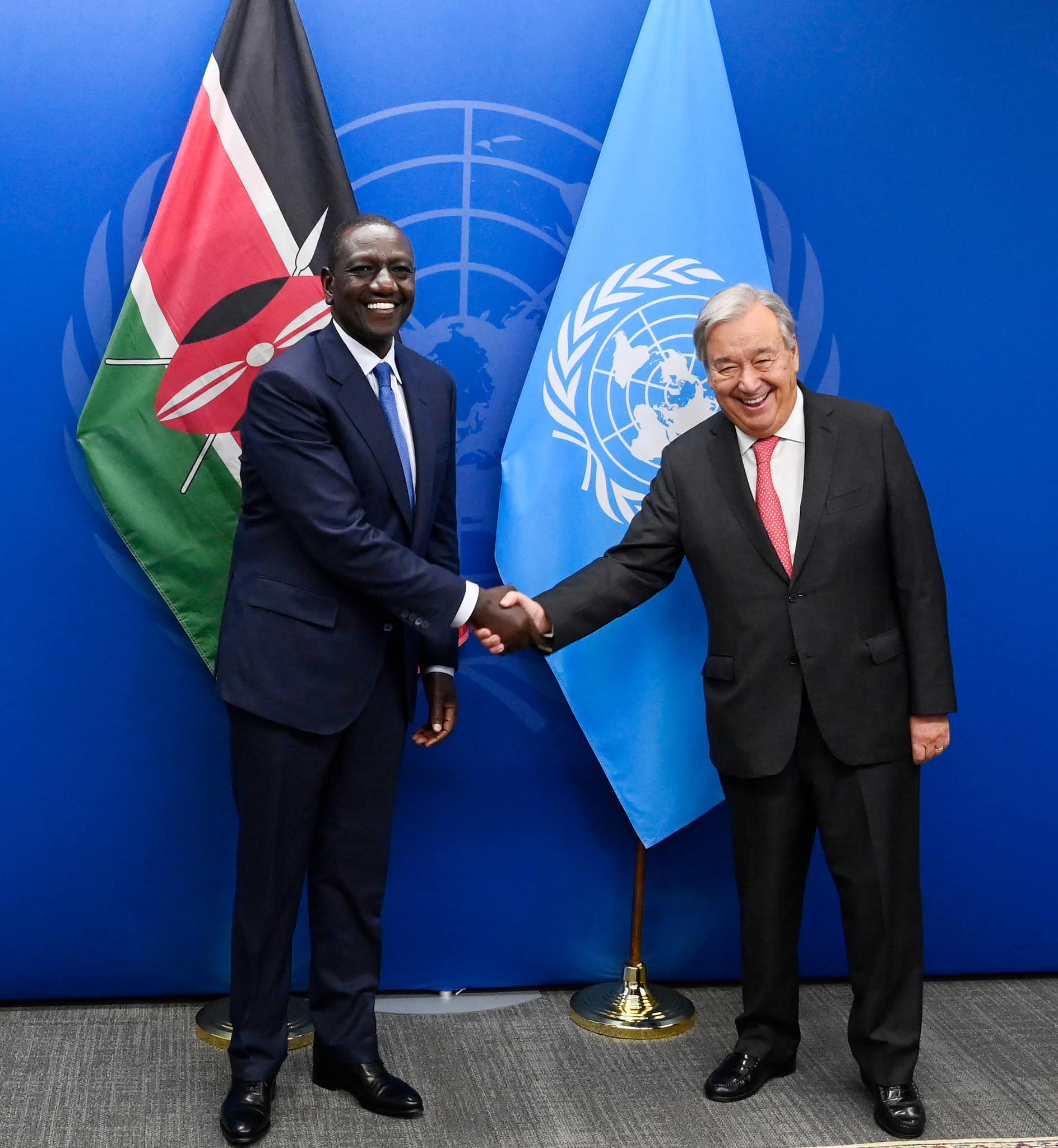 President William Ruto with United Nations Secretary-General António Guterres/HANDOUT