Speaking during a local television interview on Thursday,
the Sigei said the by-elections will offer the first real opportunity for the
commission to prove its impartiality and operational capacity amid criticism
from the opposition and lingering public mistrust in electoral institutions.
“Now that we have a commission, their primary task is to
restore public confidence. Kenyans have gone through a lot, including
demonstrations and mistrust of institutions,” Sigei said.
“This commission must rise above past shortcomings and
deliver credible polls.”
The IEBC, chaired by Erastus Edung Ethekon, was recently
sworn in after months of political deadlock and legal hurdles, including court
petitions challenging the appointment process.
The team, which includes Ann Njeri Nderitu, Moses Alutalala
Mukhwana, Mary Karen Sorobit, Hassan Noor Hassan, Francis Odhiambo Aduol and
Fahima Araphat Abdallah, have already drawn criticism from opposition figures
who allege that its composition favours the executive.
Wiper Party leader Kalonzo Musyoka had earlier attempted to
initiate talks with President William Ruto regarding the formation of the new
IEBC, but the talks did not materialise.
In the absence of a consensus, the appointments were made amid
opposition warnings and accusations of unilateralism.
Sigei acknowledged the controversies surrounding the
appointment process but maintained that the team now has an opportunity to
shift public perception through action.
“What matters now is how they carry out their duties,” he
said.
“Their major assignment is to conduct the upcoming
by-elections in a more transparent and verifiable manner, which will build up
to the 2027 elections.”
By-elections are expected in areas such as Ugunja in Siaya,
Kasipul in Homa Bay, Baringo County and Mbeere North in Embu.
These contests are anticipated to spark fierce competition,
with the performance of the IEBC under close public and political scrutiny.
Concerns have also resurfaced over past election
irregularities, including allegations of rigging and the opaque handling of
results transmission, issues that undermined public trust in previous
commissions.
“The truth is that Kenyans do not trust even their own
leaders, and much of that is rooted in how elections have been handled in the
past,” Sigei noted.
“The IEBC must now be deliberate in engaging the public,
sensitising citizens about their roles, and making the process participatory
and transparent.”
Senator Sigei revealed that financial and legal
hurdles are among the immediate challenges facing the new commission.
Furthermore, the commission is grappling with a pending bill
portfolio of over Sh3.3 billion, including unpaid dues from the 2022 General
Election.
“They need to upgrade election technology, clean and audit
the voter register and settle debts from the previous electoral cycle,” Sigei
said.
“Without adequate resources, their operations will be limited.”
He added that several court pronouncements following the
2022 elections require legislative amendments to align with constitutional
guidelines; a process Parliament is prepared to support.
“A number of matters were litigated during and after the
last election. Courts gave guidance. It’s now up to us in Parliament to amend
those laws accordingly and we have committed to working with the IEBC on this,”
he said.
Sigei stressed that the success or failure of the
by-elections will shape public expectations heading into the 2027 General
Election.
“These by-elections are the first step. If the IEBC fails
now, it will be hard to convince Kenyans to trust the process in 2027,” he
warned.
As the commission settles into office, political observers
are watching closely to see whether the Ethekon-led team can navigate the
delicate task of electoral management without further deepening partisan
divisions.


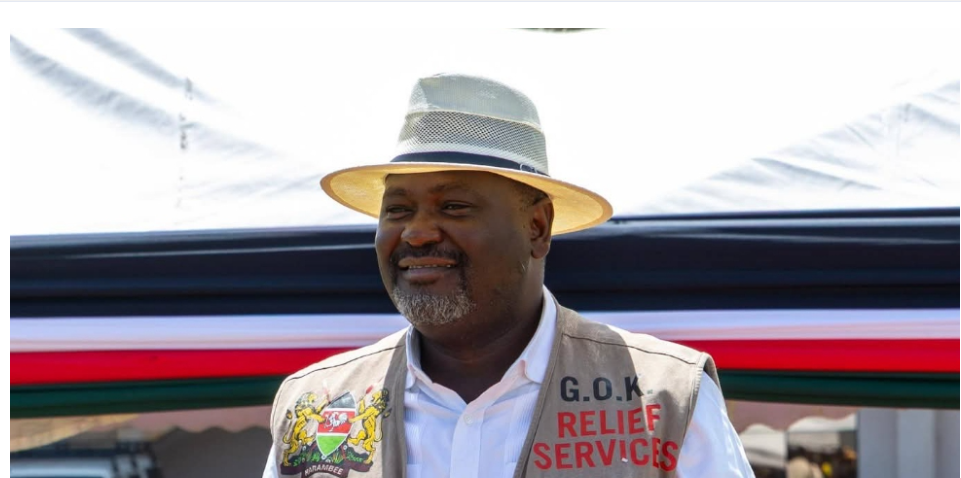
 Bomet Senator Hillary Sigei during the interview on July 17, 2025/SCREENGRAB