These
environmental challenges, intensified by climate change, threaten the
livelihoods and food security of communities that rely heavily on agriculture.
Amidst these adversities, indigenous seed systems emerge as a beacon of hope,
offering resilience and sustainability rooted in generations of local
knowledge.
Indigenous seeds,
such as beans, maize and sorghum varieties, have been cultivated and preserved
by local farmers over centuries. These varieties are not only well-adapted to
the local agro-ecological conditions, exhibiting traits like drought tolerance
and early maturity, but also hold cultural significance, being integral to
community traditions and identities.
However, the
dominance of formal seed systems, propelled by government policies and
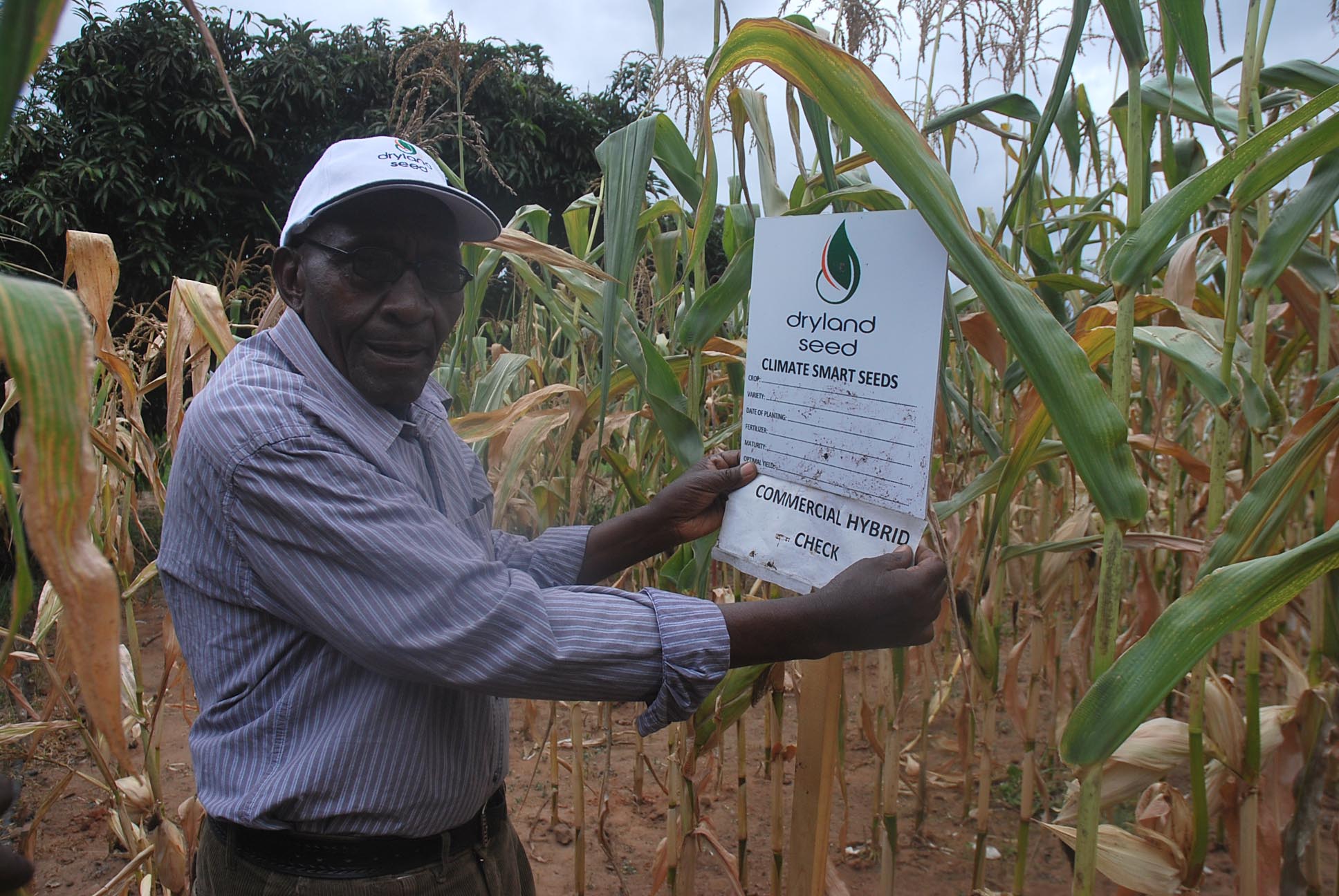
commercial interests, has marginalised the native varieties. Hybrid and
genetically modified seeds, often promoted for their high yields under optimal
conditions, are ill-suited to the variable and resource-constrained
environments of semi-arid regions. Their high cost and dependence on external
inputs further alienate smallholder farmers, leading to increased vulnerability
and food insecurity.
Recognising the
critical role of indigenous seeds, various community initiatives have emerged
to conserve and promote these varieties. In Masinga constituency, for instance,
the Via-Mweki group has established local seed banks to preserve traditional
seeds, ensuring their availability for future planting seasons. These community
seed banks not only safeguard genetic diversity but also serve as centres for
knowledge exchange, where farmers learn about seed selection, storage and
sustainable farming practices.
Organisations like
the Seed Savers Network-Kenya have been instrumental in supporting such
community efforts. Through training programmes and the establishment of seed
fairs, they facilitate the sharing and exchange of indigenous seeds, fostering
a sense of ownership and empowerment among farmers. These initiatives
underscore the importance of participatory approaches in agricultural
development, where farmers are not mere beneficiaries but active agents of
change.
Despite the
evident benefits of indigenous seed systems, existing policies pose significant
challenges. The Seeds and Plant Varieties Act of 2012, for example, restricts
the sharing and exchange of uncertified seeds, criminalising traditional
practices that have sustained communities for generations. Such regulations not
only undermine seed sovereignty but also threaten biodiversity and resilience
in the face of climate change.
To address these
issues, there is a pressing need for policy reforms that recognise and support
farmer-managed seed systems. This includes legal frameworks that protect
farmers' rights to save, use, exchange and sell indigenous seeds. Moreover,
integrating indigenous knowledge into national agricultural strategies can
enhance the adaptability and sustainability of food systems.
Revitalising
indigenous seed systems is not merely about preserving the past; it is about
securing the future. In the face of mounting environmental challenges, these
systems offer practical solutions grounded in local realities. By embracing and
supporting indigenous seeds, we can build resilient agricultural systems that
ensure food security, conserve biodiversity, and uphold the cultural heritage
of communities in Eastern Kenya and beyond.
Writer is an
agronomist and a Masters student at Lukenya University.
[email protected]