During one of my research projects last year on youth
engagement in policymaking, I assessed perspectives from Kenyan MPs, civil society, and the youth,
all of them younger than age 30. One major outcome was the
existence of an obvious misunderstanding of the gaps in society and policy that are
making youth rebel as vigorously as they are today.
The framework of my research had three parameters: firstly, if
the youth need resources, that is time, civic skills and money; secondly, if the youth
need some level of psychological motivation to participate in policymaking, including
participating in their constitutional rights, such as the right to peaceful protests; thirdly, if the
youth need recruitment networks to do their civic duty to raise issues of wide and pressing concern to
the country.
The major outcome was that money and recruitment through
networks such as civil society were the least significant of the factors Kenyan youth needed to
engage in policymaking or even in other general civic duties such peaceful protests.
Most of the major driving factors were time and knowledge of
civic skills needed to participate in policy making and other civic duties. This
now is clearly playing out in the political arena. The
youth have time, as many are unemployed or on daily wages. They are also well informed on their civic duties, through many
different channels, including AI!
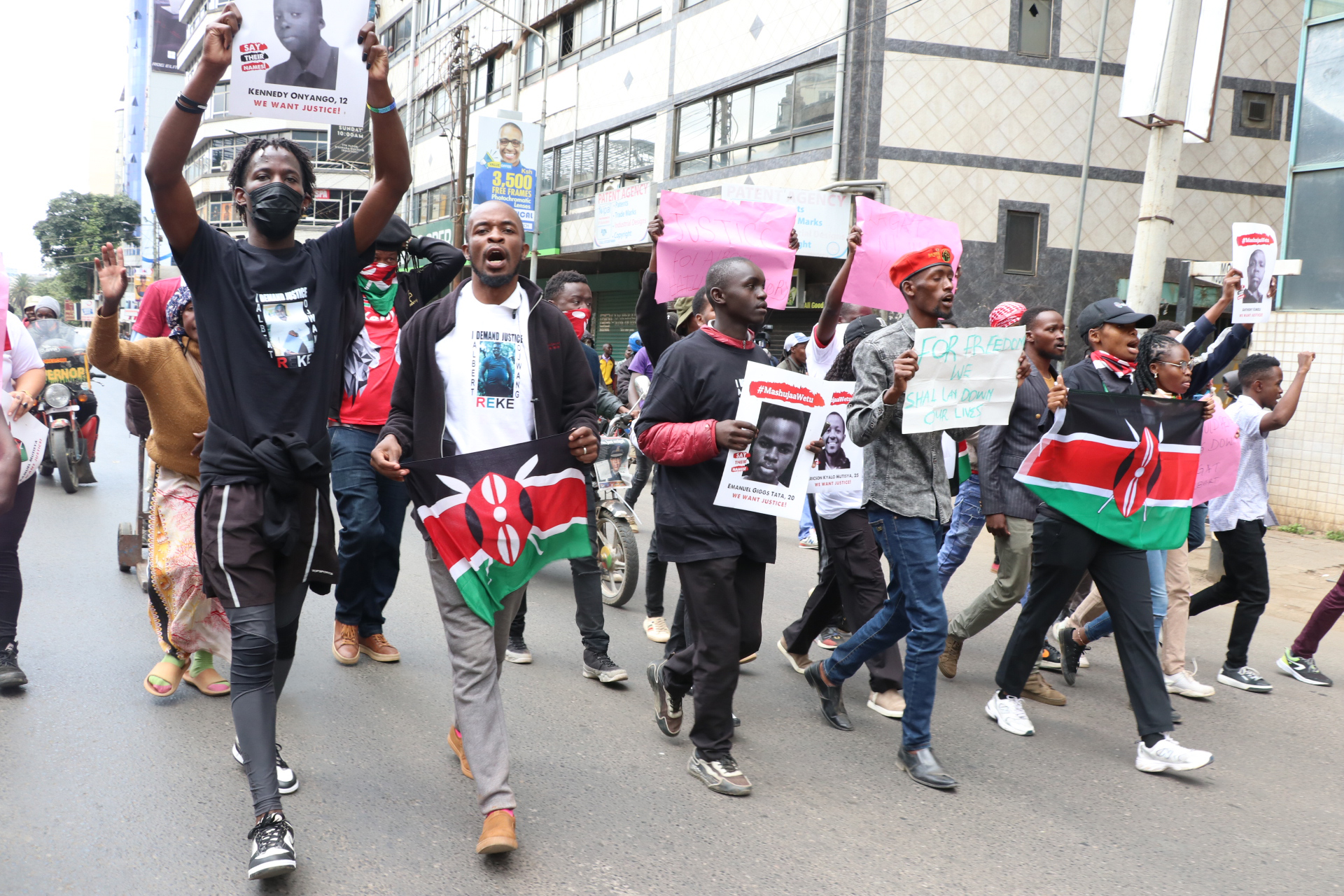
The current protests also show that psychological motivation
to protest is a key factor being used amongst the youth. When they see their peers in the streets,
there is some kind of euphoria that they get and this pushes up the numbers we
see in the streets. Who even thought that 35 years later, Saba Saba protests would head
to neighbourhoods; isn’t that some sort of motivation that gets rubbed onto youth in the
different neighbourhoods amongst themselves?
So what can the government do, therefore, to reduce violence
and maintain stability? Can’t they look at these factors and look at how to nip them
on the bud? To reduce the time that the youth have on their hands, the government needs to create
an environment where the youth are either busy gaining more education or working to contribute
to the economy. Entrepreneurial paths should also be encouraged and terms of setting up
businesses made better, with security guarantees.
Although money was not a significant driving force in my
research to get the youth onto the streets, we cannot ignore that a hungry man is an angry man.
Some politicians also take advantage of the poor youth and pay them to go to the
streets, where they might end up getting killed by thugs or the police.
The government should also ensure the correct information on
the civic duty of the youth is put forth in the easiest way for the youth to understand, so
that misinformation and disinformation does not penetrate platforms easily
accessible to the youth.
My take, over to you, our dear leaders.
Vera Bwire writes on governance, higher
education, and youth in Africa, [email protected]