Opposition leader Raila Odinga has proposed an intergenerational
national dialogue as a long-term solution to the recurring, deadly protests
that have rocked the country in recent weeks.
According to the ODM party boss, Kenya urgently needs an
honest and inclusive conversation to prevent further unrest and save the
country from descending into anarchy.
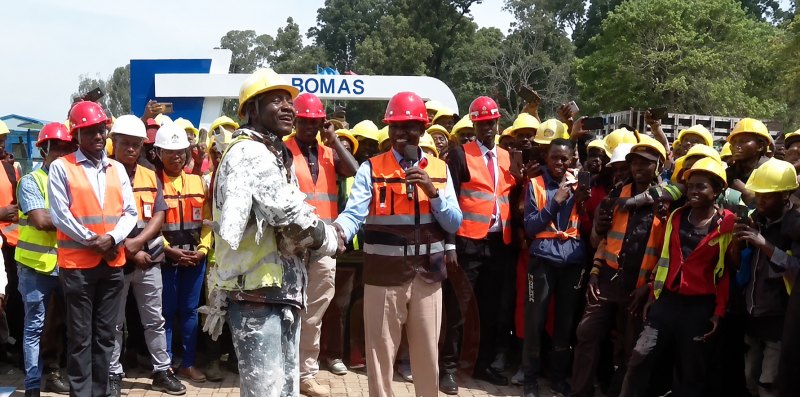
"The Bomas of Kenya Talks were a 'national dialogue':
an inclusive intergenerational national conclave that gave us our current
constitution. It is time for another," he tweeted on Tuesday, reinforcing
his earlier message at the height of the protests.
Raila suggested that the resolutions arising from this
dialogue, which should be akin to the one which resulted in Kenya getting the
famed "Bomas Draft", should be subjected to a national referendum.
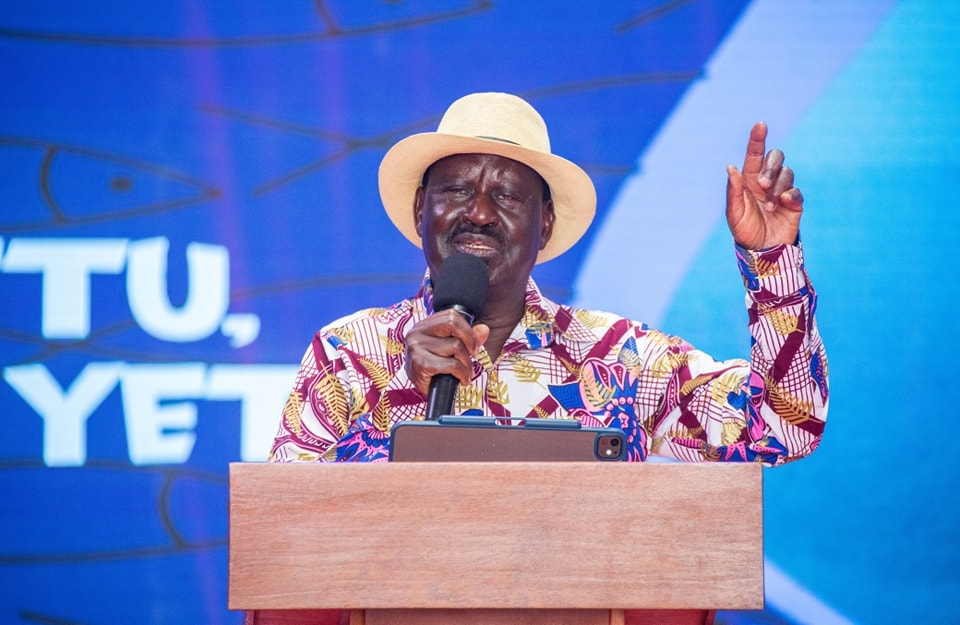
“I propose an inclusive intergenerational national conclave
to hear our people across all divides and to develop irreducible reforms and
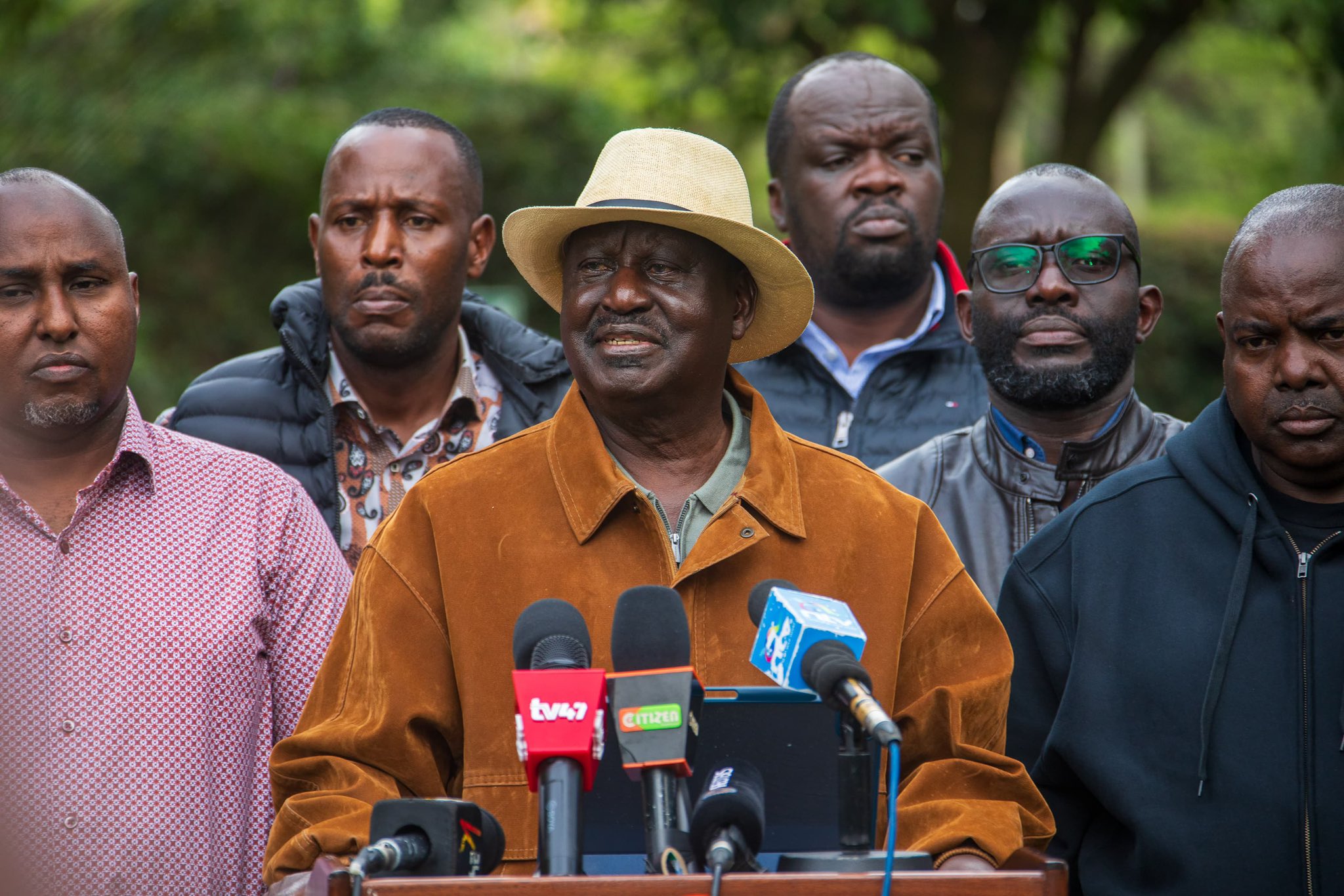
changes necessary to take the country forward,” Raila said during a press conference
at the Serena Hotel on Monday.
He said the proposed dialogue should address key national
concerns, including comprehensive police reforms, improved accountability and
transparency and the need to rebuild public trust in law enforcement.
“The conclave should develop sustainable strategies to address
transparency, accountability and impunity—especially regarding corruption and
ensuring that leaders are held responsible for their actions,” he added.
Raila emphasized that tackling youth unemployment must also
be a priority, calling for strategies to expand opportunities in both the
formal and informal sectors.
“Such a national forum must have clear terms of reference
and be steered by the most serious and sober minds in our nation,” he said.
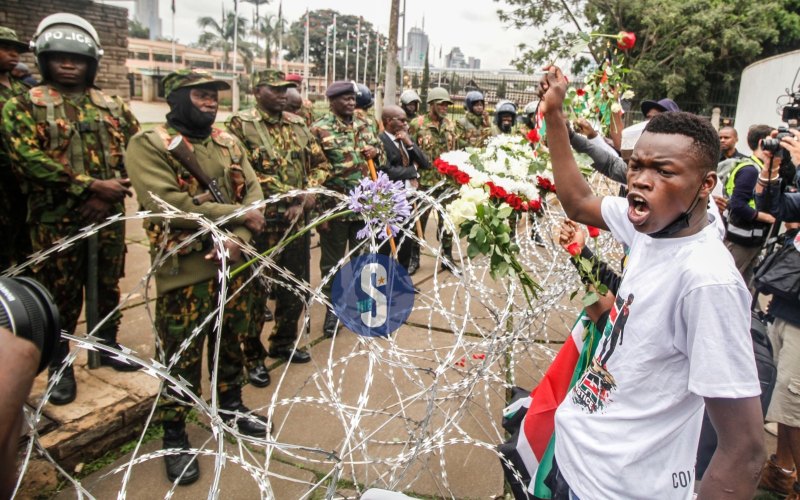
The call comes in the wake of widespread protests that have
resulted in deaths, injuries and extensive destruction of property.
On Monday alone, more than 10 people lost their lives,
scores were injured and property worth billions of shillings was destroyed in
protests across at least 17 counties.
The demonstrations coincided with the 35th anniversary of
the Saba Saba movement, which championed multiparty democracy in Kenya on July
7, 1990.
Two weeks prior, Gen Z activists had also taken to the
streets to mark the first anniversary of the June 25, 2024, protests in which
demonstrators stormed Parliament—events that left at least 19 people dead.
Raila, who was among those arrested during past Saba Saba
protests, noted that this year’s anniversary had aligned with the ongoing Gen
Z-led demonstrations.
“As a living architect of the events leading to Saba Saba, I
choose a coming together of minds and hearts, for the sake of the country I
have long fought for — its progress, stability and prosperity,” he said.
“The most important struggle taking shape in our country
today is the struggle for good governance, economic opportunity and equality.”
However, not all leaders agree with Raila’s approach.
Makueni Senator Dan Maanzo argued that a conclave followed
by a referendum and constitutional amendment may not adequately address the
issues raised by the youth.
“As much as we want to discuss a conclave that could result
in a referendum, I don’t think that addresses the root causes. The country is
unhappy with the politics of the day,” Maanzo said.
Tetu MP Geoffrey Wandeto echoed these sentiments, saying
that some reforms—like ending police brutality and abductions—do not require a
committee or referendum.
“We need an Executive decision. Remove goons from the
protests—those seemingly working with the police to brutalise Kenyans. Stop
intimidating opposition leaders. Right now, the government’s only tool seems to
be brute force,” he said.

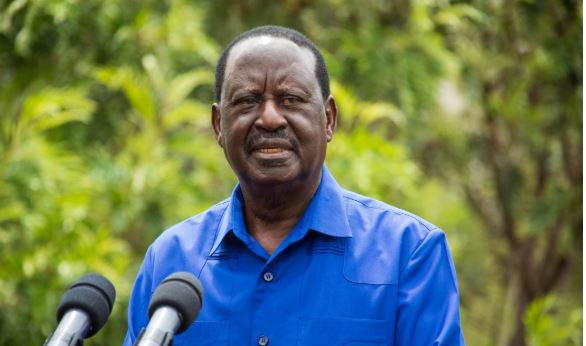
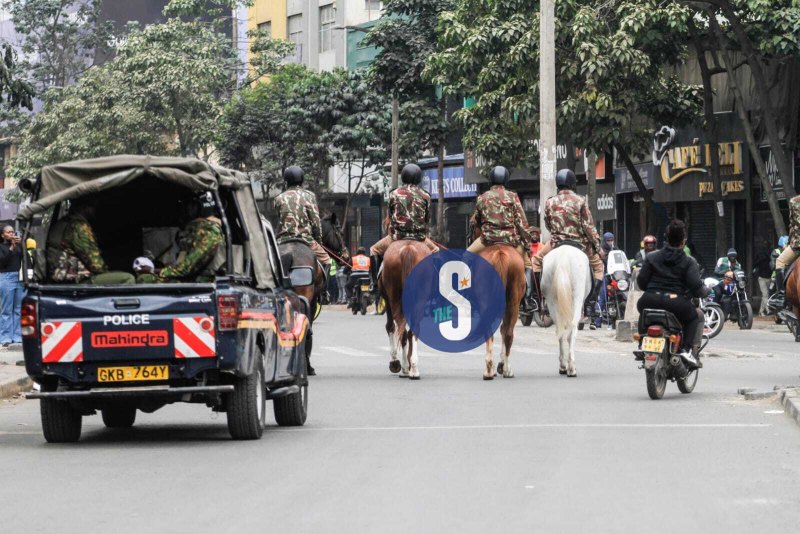
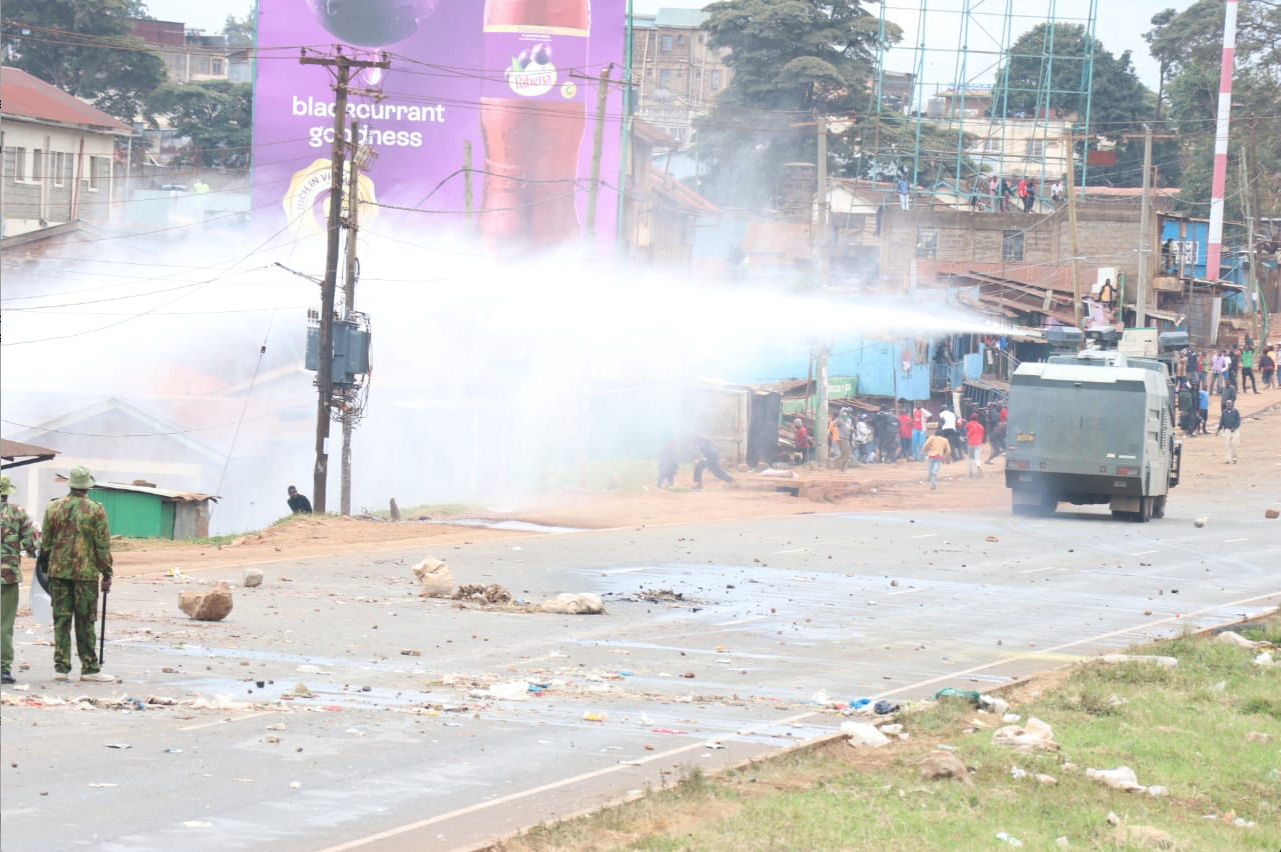 Police disperse youth Kangemi along Waiyaki Way following the Saba Saba Day commemoration on July7, 2025 /Enos Teche