Parliament has turned the spotlight on the Social Health
Authority over delays in remitting billions of shillings owed to county health
facilities, a crisis now threatening healthcare delivery across the country.
The Senate Public Investments and Special Funds Committee
has resolved to summon SHA CEO Mercy Mwangangi to appear before it and
provide a detailed status report, payment schedule, and outstanding balances
owed to the 47 counties.
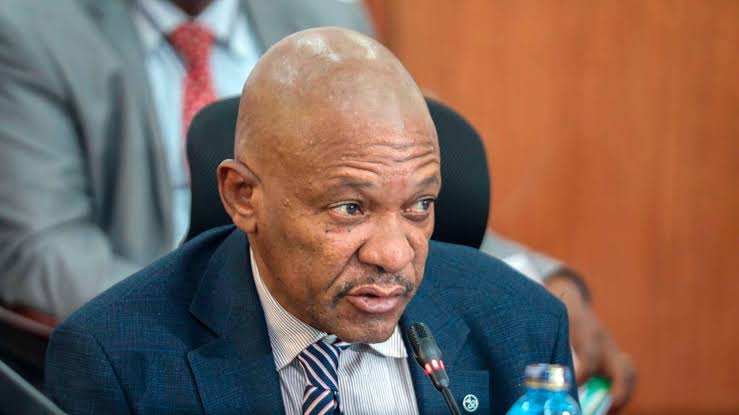
“This committee will invite SHA CEO to provide a status
report, payment schedule and balances to all county hospitals,” committee vice chairperson Eddy Oketch said.
The development comes amid mounting pressure from governors,
who want the outstanding remittances from the defunct National Hospital
Insurance Fund (NHIF)—now rebranded as SHA—to be offset against the debt
counties owe the Kenya Medical Supplies Authority (Kemsa).
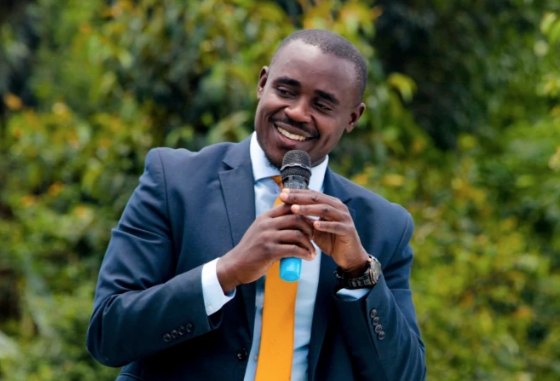
Speaking before the Senate committee, Makueni Governor
Mutula Kilonzo Jnr, who chairs the Council of Governors’ Legal Affairs
Committee, revealed that SHA owes counties more than Sh9 billion, a debt inherited
from NHIF.
Conversely, counties
owe Kemsa nearly Sh4 billion.
“We are proposing a debt swap. Let the money that NHIF or
SHA owe the facilities be given to Kemsa so that services are not interrupted,” Mutula said.
He lamented most counties are being denied medical
supplies by Kemsa, crippling healthcare services, while SHA continues to sit on
billions owed to facilities.
Currently, only Mombasa and Makueni do not have pending
bills with Kemsa.
Governor Mutula painted a grim picture of the state of
county health facilities, warning that shortages in drugs, staff and equipment
are undermining efforts to roll out Universal Health Coverage (UHC).
“We are facing many challenges because of the budget. The
health function has not been properly costed, and that is why we have budgetary
challenges to fully perform this function,” he said.
In Makueni, 38 per cent of the county’s total budget is
allocated to health. Of the county’s 3,900 workers, 2,200 serve in the health
department.
Yet, despite the heavy investment, the system is severely
overstretched.
“I have 242 health facilities in Makueni. Out of that, about
150 have only one nurse—one nurse attending to more than 2,000 patients every month.
It is hectic,” he said.
The situation is mirrored across the country, with many
counties suffering acute shortages of nurses, medical officers, and specialists
such as neurosurgeons.
Mutula also pointed to frequent stockouts, pilferage, and
inefficiencies at Kemsa as major bottlenecks to service delivery.
With Kemsa unable to consistently supply essential medical
commodities, counties have turned to private suppliers to keep hospitals
running.
To curb theft and mismanagement, Mutula said his
administration is digitising hospital inventory systems, aiming to enhance
accountability and prevent recurring shortages.
Senators at the meeting decried the situation, promising to
push for more resources to be devolved from the national Ministry of Health,
which still retains more than Sh100 billion despite having limited operational
functions.
“There is no sense in the Ministry of Health holding a
budget of over Sh100 billion for only formulating policies,” said Senator
Oketch.
Machakos Senator Agnes Kavindu highlighted the mental and
physical strain on overworked health workers, noting that many are enduring long
hours with no leave, leading to burnout, depression, and even suicide.
INSTANT ANALYSIS
As the Senate prepares to summon Mwangangi, county
leaders are urging swift resolution, saying continued delays could paralyse
public health services. They want a clear debt audit, firm payment timelines,
and government support to restructure medical funding frameworks. This needs
urgent intervention. Universal Health Coverage cannot be implemented when
health facilities are crippled and medical staff are overwhelmed.