A
new study has shown majority of people believe governments should tax
oil, gas and coal corporations for climate-related loss and damage.
The study by Greenpeace International and Oxfam International was unveiled June 19 at the UN Climate Meetings in Bonn (SB62).
“African
leaders adopted the Nairobi Declaration during the inaugural Africa
Climate Summit in Nairobi, which, among others, calls for a global
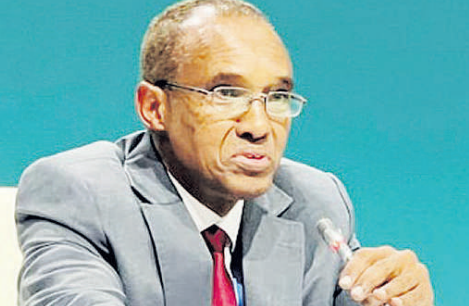
carbon taxation regime, including levies on fossil fuel trade,” said Ali
Mohamed, Kenya's special envoy for climate change.
He
said Kenya co-chairs the Global Solidarity Levies Task Force, which
brings together a coalition of willing countries to design and implement
progressive levies that reflect the true cost of pollution.
“The
principle is simple; sectors profiting from the increasing greenhouse
gas emissions that cause the destructive climate change must be taxed to
support climate-impacted vulnerable communities in Africa and the other
developing world to adapt and recover from the devastating losses and
damages suffered frequently,” Ali said.
During
the UN climate change meetings, government representatives discussed
climate policies, including ways to raise at least US$ 1.3 trillion
annually in climate finance for Global South countries by 2035.
The survey was conducted across 13 countries, including most G7 countries.
The
research was conducted by first-party data company Dynata in May-June,
in Brazil, Canada, France, Germany, Kenya, Italy, India, Mexico,
Philippines, South Africa, Spain, UK and US, with approximately 1,200
respondents in each country and a theoretical margin of error of
approximately 2.8 per cent.
Together, these countries represent close to half of the world’s population.
The
survey shows 81 per cent of people surveyed would support taxes on the
oil, gas, and coal industry to pay for damages caused by
fossil-fuel-driven climate disasters like storms, floods, droughts and
wildfires.
It also shows 86 per cent of people in
surveyed countries support channelling revenues from higher taxes on oil
and gas corporations towards communities most impacted by the climate
crisis.
Climate change is disproportionately hitting
people in Global South countries, who are historically least
responsible for greenhouse gas emissions.
When
asked who should be taxed to pay for helping survivors of fossil
fuel-driven climate disasters, 66 per cent of people surveyed think it
should be oil and gas companies, while just five per cent support taxes
on working people, nine per cent on goods people buy, and 20 per cent
favour business taxes.
The
study shows 68 per cent felt fossil fuel industry and the super-rich
have a negative influence on politics in their country, while 77 per
cent say they would be more willing to support a political candidate who
prioritises taxing them.
Oil and gas campaigner for Greenpeace Africa Sherelee Odayar said
in Africa, people are feeling the heat—literally—and they are done
footing the bill for disasters driven by record fossil-fuel profits.
“This
survey sends an unmistakable message; our governments have a popular
mandate to make oil, gas and coal corporations pay their fair share for
the floods, droughts and hunger they’ve helped unleash. A polluter-pays
tax would turn dirty profits into clean investments for frontline
communities and that’s the climate justice Africa has been calling for,”
she said.
Mads
Christensen, executive director of Greenpeace International, said the
survey results send a clear message; people are no longer buying the
lies.
“They
see the fingerprints of fossil fuel giants all over the storms, floods,
droughts and wildfires devastating their lives and they want
accountability. By taxing the obscene profits of dirty energy companies,
governments can unlock billions to protect communities and invest in
real climate solutions. It's only fair that those who caused the crisis
should pay for the damage, not those suffering from it,” he said.
The
study and pact, run by Dynata, was unveiled alongside the Polluters Pay
Pact, a global alliance of communities on the front lines of climate
disasters.
The
pact demands that – instead of piling the costs on ordinary people –
governments make oil, gas and coal corporations pay their fair share of
damages through taxes and fines.
It
is backed by firefighters and other first responders, trade unions and
worker groups, and mayors from countries including Australia, Brazil,
Bangladesh, India, the Philippines, Sri Lanka, Nigeria and South Africa,
the US and plaintiffs in landmark climate cases from Pacific island
states to Switzerland.
The
agreement also supported by more than 60 NGOs, including Oxfam
International, 350.org, Avaaz, Islamic Relief UK, Asociación
Interamericana para la Defensa del Ambiente (AIDA), Indian Hawkers
Alliance, Pacific Islands Students Fighting Climate Change, Jubilee
Australia and the Greenpeace network.
The
survey’s findings published today reveal broad public support for the
core demands of the Polluters Pay Pact, as climate impacts worsen
worldwide and global inequality grows.
Executive Director of Oxfam International Amitabh Behar said fossil fuel companies have known for decades about the damage their polluting products wreak on humanity.
“Corporations
continue to cash in on climate devastation, and their profiteering
destroys the lives and livelihoods of millions of women, men and
children, predominantly those in the Global South who have done the
least to cause the climate crisis.”
Behar
said a new tax on polluting industries could provide immediate and
significant support to climate-vulnerable countries and finally
incentivise investment in renewables and a just transition.”
The Polluters Pay Pact demonstrates popular support for the campaign to make polluters pay.