Kenya’s Gen Z — young people born between the late 1990s and
early 2010s — have emerged as a powerful political force, staging protests and
igniting national conversations that are shaking the foundations of Kenyan
governance.
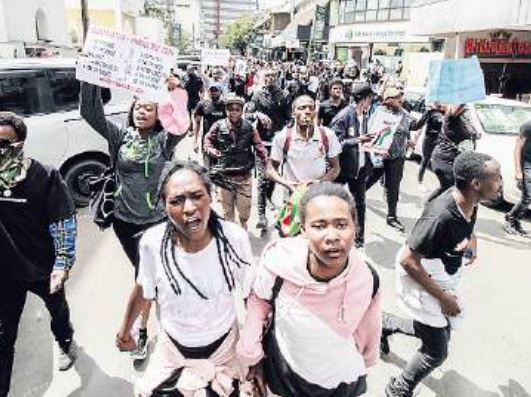
On June 25, 2024, the country’s young population staged historic
protests in the country and stormed the country’s Parliament.
Unfortunately, human rights groups recorded that at least 60
Gen Zs were killed by authorities during the protests against heavy taxation,
abductions and extra-judicial killings.
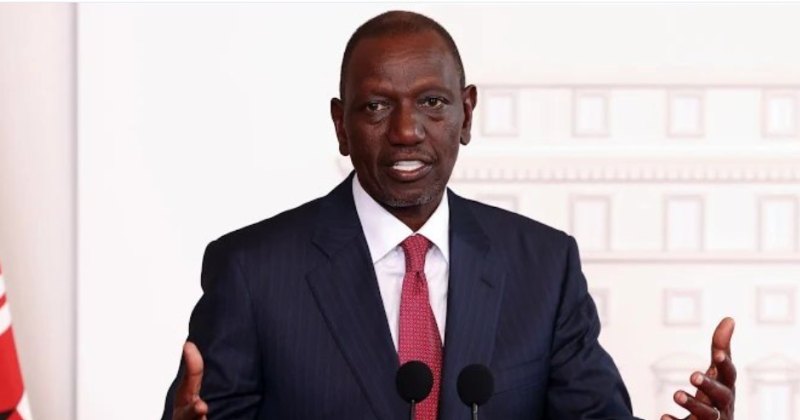
President William Ruto was forced to reject the Finance
Bill, 2024 and dissolved his Cabinet amid immense pressure and ceded some ground
for a national conversation.
However, despite the promises made, Kenya’s Gen Zs argue
that most of their demands were not honoured, including ending extra-judicial
killings, stopping borrowing and inclusion of the youth in government jobs.
June 25, 2025, marks the first anniversary of the Gen Z
protests amid a fresh push by the youth to stage another wave of demonstrations
across the country in honour of those who lost their lives.
But what exactly are
they protesting, and why now?
Here’s a breakdown of the key issues driving the Gen Z-led
protests:
1. Opposition to over-taxation
The spark that ignited the protests was the Finance Bill
2024, which proposed a raft of new taxes on everyday goods and digital
services.
These included 2.5% Motor Vehicle Tax, VAT on bread and other basic
commodities, Tax on digital content creators and increased levies on mobile
money transfers and airtime.
Although the Finance Bill 2025 does not propose additional
taxes to generate more revenue by the executive, Gen Zs claim that the
legislation does not offer any ray of hope.
Gen Z protesters argue that there are taxes that unfairly
burden ordinary Kenyans while doing little to curb wasteful government
spending.
Many see the bill as emblematic of a broader disconnect
between the government and the lived realities of youth.
2. Youth unemployment
and economic frustration
With unemployment rates among youth hovering above 60%, many
Gen Z Kenyans feel locked out of the economy.
Even those with
university degrees struggle to find work or are forced into poorly paying gigs
and digital hustles. There are concerns that the government is not doing enough
to reduce taxes on digital content creation.
They claim that the government continues to attack one of
the few spaces where young people are innovating and earning a living.
3. Police brutality
and state violence
As protests have grown, so too has the issue of police
brutality. In 2024, several young protesters were shot dead or injured
during demonstrations, sparking public outrage.
Recently, police have killed some young people who have been
protesting, while authorities have been accused of abductions and killings.
The death of blogger Albert Ojwang’ has ignited fresh claims
of executions by authorities. The shooting of city hawker Boniface Kariuki and another
youth in Mwiki has also triggered a fresh wave of protests.
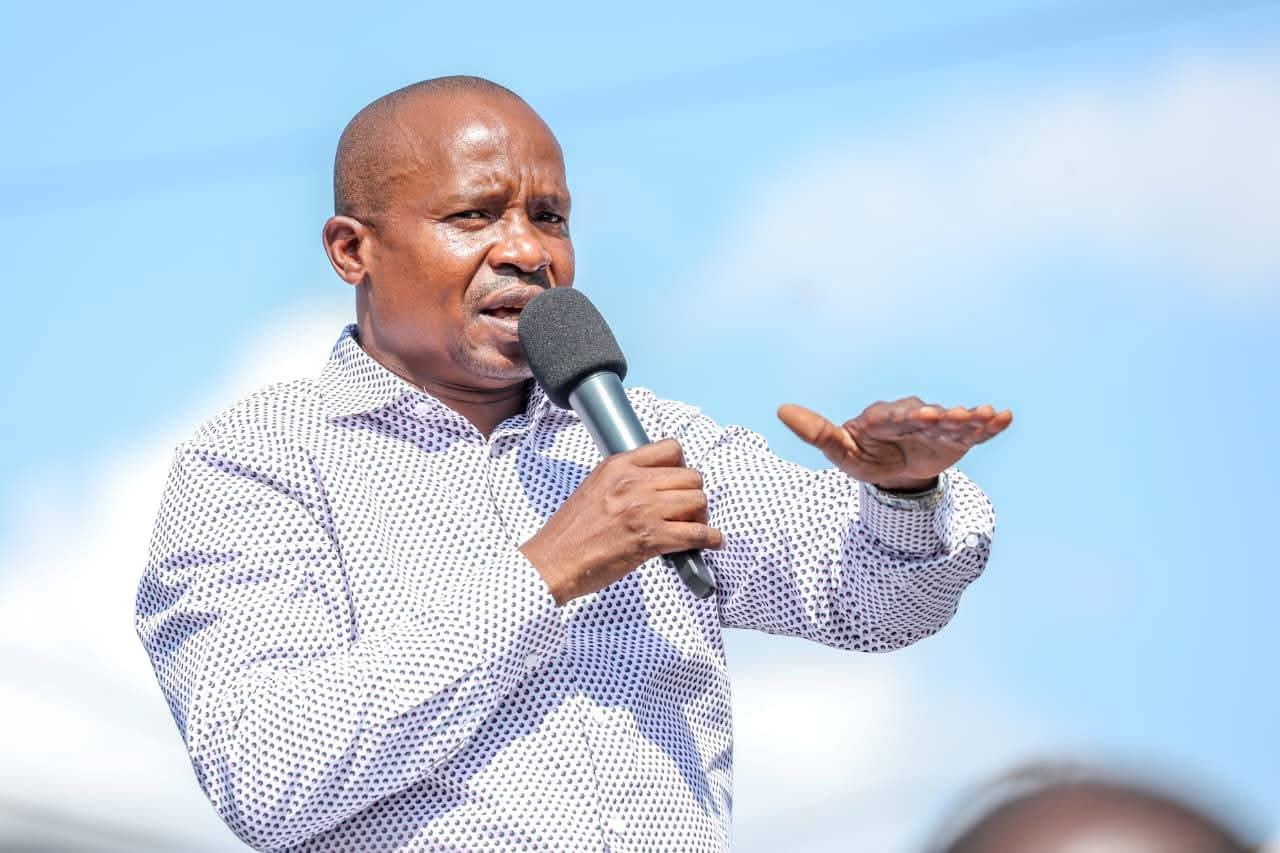
They are demanding the resignation of Deputy Inspector General
of Police Eliud Lagat following the death of Ojwang.
The Gen Z movement has placed a spotlight on extrajudicial
killings, abductions, and forced disappearances, demanding accountability and
reform within the National Police Service.
The protests have drawn attention to the resurgence of
oppressive tactics, including abductions of activists and protest organisers,
online surveillance and digital censorship, use of plainclothes officers and
arbitrary detentions and intimidation of journalists and human rights defenders.
4. Government accountability
and transparency
Gen Z protesters are demanding transparency in public
spending, particularly on the growing public debt, state-sponsored luxuries,
and corruption.
Many view the government as bloated and unresponsive, with
lavish lifestyles at the top clashing with the economic hardship felt by
millions.
There are also concerns about the cost of living, with
protesters raising alarm over the rising cost of basic goods.
High fuel prices and taxation have made life unaffordable
for many, with the high cost of electricity and soaring food
prices, as well as healthcare and education that are either unaffordable or of low quality.
5. Non-political, people-powered
movement
Unlike past demonstrations led by opposition politicians or
civil society groups, Gen Z’s protests are largely nonpartisan and
decentralised, organised through social media, especially TikTok, X (Twitter),
and Instagram.
They reject traditional political alliances and question the
motives of both government and opposition leaders.
However, a section of politicians in the opposition have
indicated that they will join the Gen Zs during the June 25 anniversary.
6. Demand for
leadership that listens
Ultimately, the Gen Z protests are about being heard. Young
Kenyans are demanding a government that consults them, listens to their
struggles, and acts in their interest.
They are pushing for a new political culture based on truth,
empathy, and inclusion.
What happens next?
As Gen Z prepares for another nationwide protest on June 25,
2025, observers say this movement is more than a reaction to a few things —
it’s a generational awakening.
Whether the government responds with reform or repression
may shape Kenya’s democracy for years to come.