A widening political rift within the UDA is threatening to unravel the party’s grip on the Mount Kenya region, with Deputy President Kithure Kindiki emerging at the centre of a high-stakes internal power battle.
The simmering feud, now marked by open defiance, covert meetings and claims of intimidation, is exposing deep divisions within President William Ruto’s ruling party—divisions that could significantly shape the road to the 2027 general election.
What began as murmurs of discontent among grassroots operatives has escalated into a full-blown political standoff involving key regional players, most notably Embu Governor and UDA national chairperson Cecily Mbarire.
Her conspicuous absences from recent high-profile events—including a macadamia conference in Embu attended by Kindiki and a State House meeting convened by President Ruto on June 4—have ignited speculation of growing fallout within the party’s leadership.
Mbarire recently accused unnamed national government operatives of holding clandestine night meetings aimed at undermining her authority in Embu.
Although she did not name Kindiki directly, her comments, paired with her absences, fueled speculation of behind-the-scenes power plays.
“These government officials are disrespecting me,” she said.
“I won’t sit back as backroom deals unfold without my knowledge. If anyone has suffered for this government, it’s me.”
Political observers argue that tensions have been festering since earlier this year, when Kindiki publicly questioned Mbarire’s leadership after President Ruto was heckled during a visit to Embu.
“You are both a governor and the national chairperson,” Kindiki said. “Your party leader is heckled in your county, and you remain in office? Why?”
The rebuke, widely viewed as a thinly veiled attack, underscored a strategic effort by Kindiki to consolidate his influence in the Mt Kenya East power structure—often at Mbarire’s expense.
Reports have since emerged of Kindiki holding closed-door meetings with Embu leaders, excluding Mbarire, and allegedly pushing to sideline her from party and government decision-making.
In an attempt to contain the fallout, the DP reportedly hosted Mbarire at his Karen residence to dissuade her from resigning as UDA chairperson.
Official statements downplayed the meeting, calling it a routine consultation—but insiders say it was a desperate attempt to quell unrest and prevent a damaging split in the Mt Kenya East bloc.
Njuri Ncheke secretary general Josphat Murangiri has called for reconciliation among Mt Kenya East leaders, urging Kindiki, Mbarire, and former Attorney General Justin Muturi to put aside personal rivalries for the sake of regional unity.
“Mount Kenya East is at the centre of national attention, and Kindiki should lead efforts to build a strong political vehicle for the region,” Murangiri said in an interview with the Star.
He emphasised the need for leaders to form a united political front and even proposed the creation of a regional party to represent the community’s interests at the national level.
“We are aware of the sibling rivalry between Kindiki, Governor Cecily Mbarire, and former Speaker Justin Muturi. As elders, we will intervene if the situation escalates and help bring them together,” Murangiri said.
Kikuyu Council of Elders national chairman Wachira Kiago, who warned that continued infighting would erode the region’s influence, echoed his sentiments.
“These supremacy battles are unhealthy,” Kiago said. “The region risks deeper fragmentation if leaders don’t form a united front.”
He acknowledged the ongoing supremacy battles among Kindiki, Muturi and Mbarire, describing them as unhealthy and counterproductive.
“They must speak in one voice for the sake of the electorate. Leaders from both the east and west of Mount Kenya should form a coalition and agree on the way forward,” he said.
He added that Mount Kenya leaders should forge unity with other communities for the purpose of political prosperity.
Analysts argue that the current instability in Mt Kenya mirrors the chaos that preceded the political downfall of former Deputy President Rigathi Gachagua, who was impeached and expelled from UDA last year.
His recent launch of a rival outfit—the Democracy for the Citizens Party—has drawn away significant grassroots support, further weakening UDA’s once-solid Mt Kenya base.
Political analyst and JKUAT lecturer Charles Mwangi said the Kindiki-Mbarire rivalry is symptomatic of a deeper leadership crisis within UDA, especially after the dissolution of Musalia Mudavadi’s Amani National Congress into the ruling party.
“Mbarire is increasingly viewed as ineffective and unable to hold the party together,” Mwangi said. “Kindiki’s rise sends a clear message—her days as chairperson may be numbered.”
He added that Mbarire’s recent tone suggests she is preparing to exit UDA, likely to avoid blame for the party’s declining fortunes in Embu.
Fellow analyst and Nakuru politician John Wahinya agreed, arguing that the fallout mirrors UDA’s broader decline in Mt Kenya ahead of the 2027 election.
“The bloc is no longer united under UDA. Mbarire is facing the same pressure Gachagua felt before his ouster. As the UDA tries to counter Gachagua’s influence and his style of politics, more heat and internal fights must be experienced. If they solve it, the better than later,” Wahinya said.
Muturi, another key Mt Kenya East figure, is also believed to have fallen out with both Ruto and Kindiki before his unceremonious Cabinet exit in March.
The former CS has since become one of the fiercest critics of the Kenya Kwanza administration, recently describing Ruto as an “incorrigible liar” and accusing him of surrounding himself with sycophants.
He has also taken aim at Kindiki, mocking his voice and calling him a "yes-man" in government. Kindiki, while addressing supporters, laughed off the criticism, asking playfully, “Do I look like someone without bass? ‘Nani hana base?’”
While humorous on the surface, the exchange underscores the deep and personal nature of the political turf war now gripping the region.
Political analyst Albert Kasembeli warned that the increasingly public power contest among Mt Kenya East leaders reflects the UDA’s deteriorating grip in the region.
“This is no longer just a political strategy—it’s personal,” he said.
“And unless UDA manages these internal tensions, the region could either fragment or swing its support elsewhere ahead of 2027.”
He added that Kindiki’s current influence is impressive but may not be sustainable: “Without grassroots legitimacy, it’s hard to hold the bloc together through force or maneuvering.”
He argued that while UDA leaders jostle for dominance, Gachagua is quietly positioning himself as a central player in Mt Kenya’s next chapter.
On Monday, the former DP announced a weeklong grassroots tour of Embu and Meru counties to popularize his new party.
Speaking on Kameme FM, he declared the tour would rally citizens around his vision and lay the groundwork for removing the Ruto-Kindiki leadership in 2027.
“I’ll be talking to the people—they invited me—and I know they will follow my direction. In 2027, our only agenda is to send Ruto and his deputy back home,” Gachagua said.
The announcement followed a major shift after the Devolution Empowerment Party, led by former Meru Governor Kiraitu Murungi and Lenny Kivuti, declared its alignment with Gachagua’s camp.
During its national delegates conference on June 16 in Embu, DEP resolved to collaborate with the opposition to prevent Ruto from securing a second term.
Kivuti, who is the party national chairman, said the decision reflected widespread public disillusionment.
“We’ve decided to listen to the voices of ordinary citizens,” Kivuti said.
“We’ll align with the wave supported by the majority of Kenyans—but we won’t formally join any party. We’re avoiding past mistakes—we’re going where the people are.”

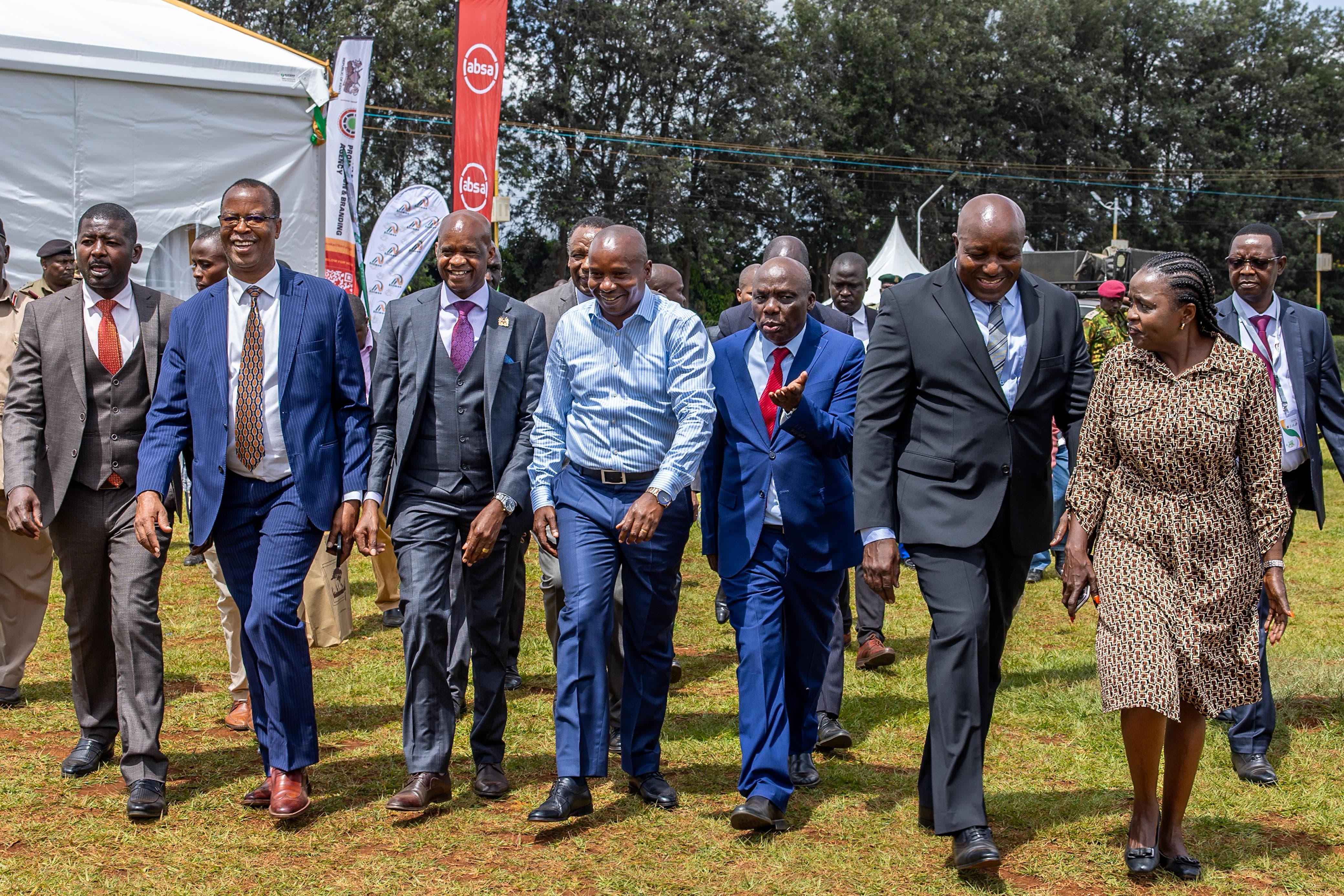
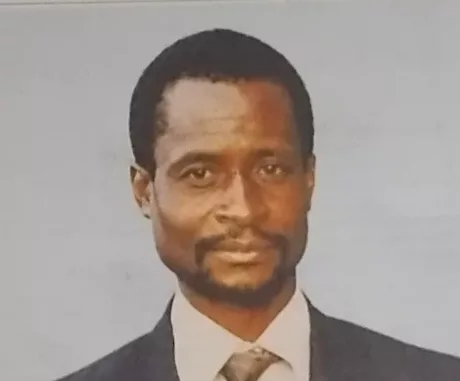
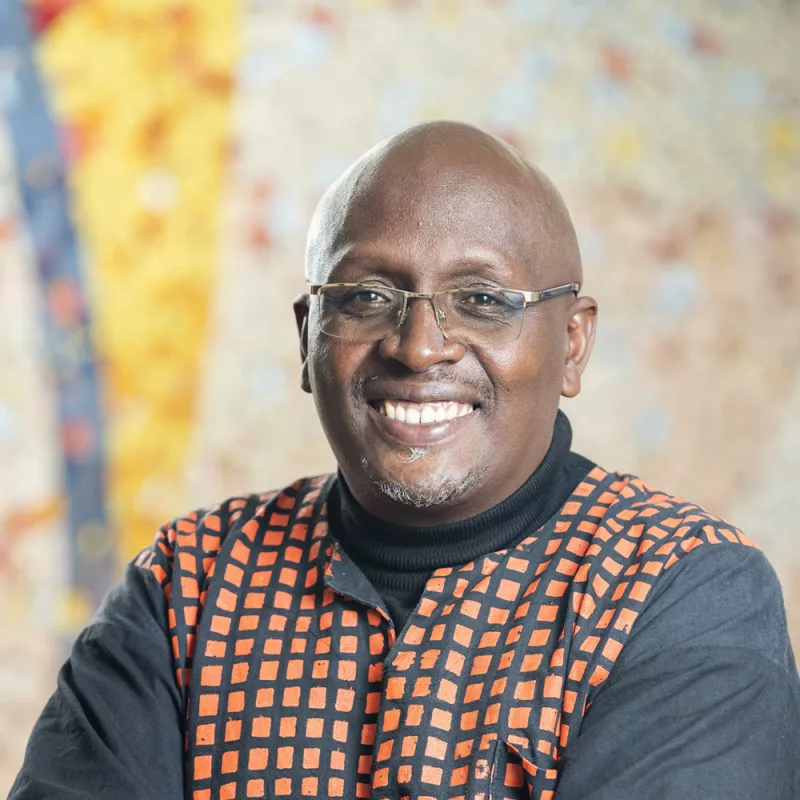
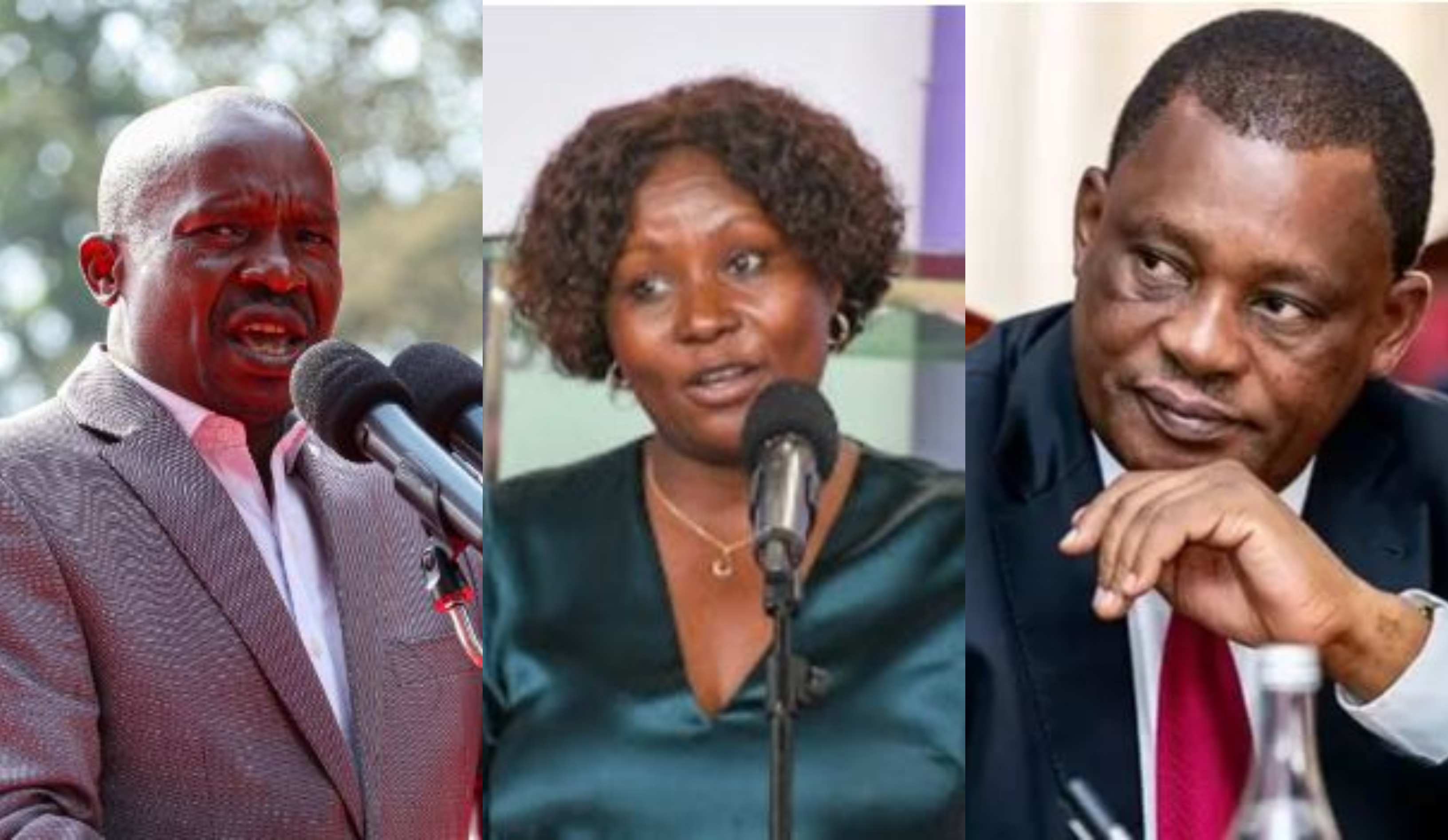 A collage of Deputy President Kithure Kindiki, Embu Governor Cecily Mbarire, and DP Party leader Justin Muturi./FILE