The
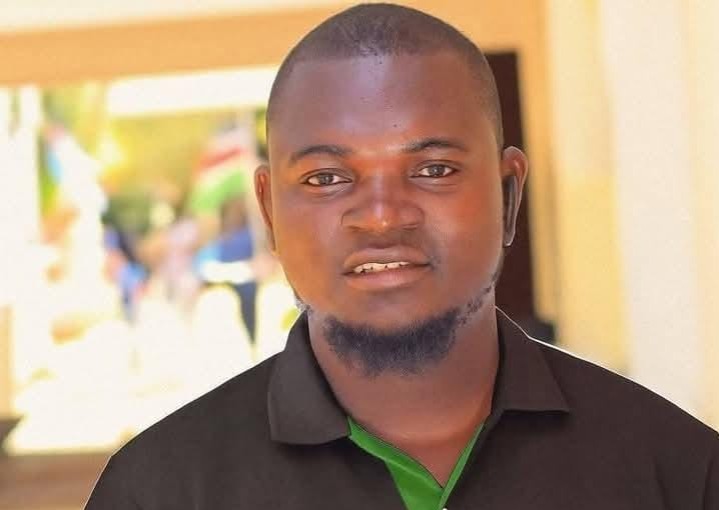
timelines from the day slain teacher Albert Omondi Ojwang was arrested to when
he was found unconscious are key in the probe into the matter.
A team
from the Independent Policing Oversight Authority (IPOA) is keen on the movements
of Ojwang from the point of his arrest to the time he was declared dead.
They
have learnt after his arrest on Friday, June 6, from his Homa Bay home the team
from the Directorate of Criminal Investigations headquarters in Nairobi reported to
Mawego Police Station before he was driven to Nairobi.
His
uncle, Joseph Okumu, said there were six police officers in the team and only two
of them identified themselves as Sigei and Rapudo before leaving.
Ojwang
was later on Saturday taken to DCI headquarters for a grilling session before
being taken to Central Police Station.
He was taken
to the station by the arresting officers at about 9.35 pm on Saturday, June 7.
According
to the Occurrence Book, he was the 59th suspect admitted to the station, booked
at 2:35 a.m. under the charge of false publication.
It is
not clear where he was or why he was not booked between 9.35 pm and 2.35 am
when he was taken to the station.
According
to records, at 3:45 a.m., his death was officially recorded and signed off by
two officers.
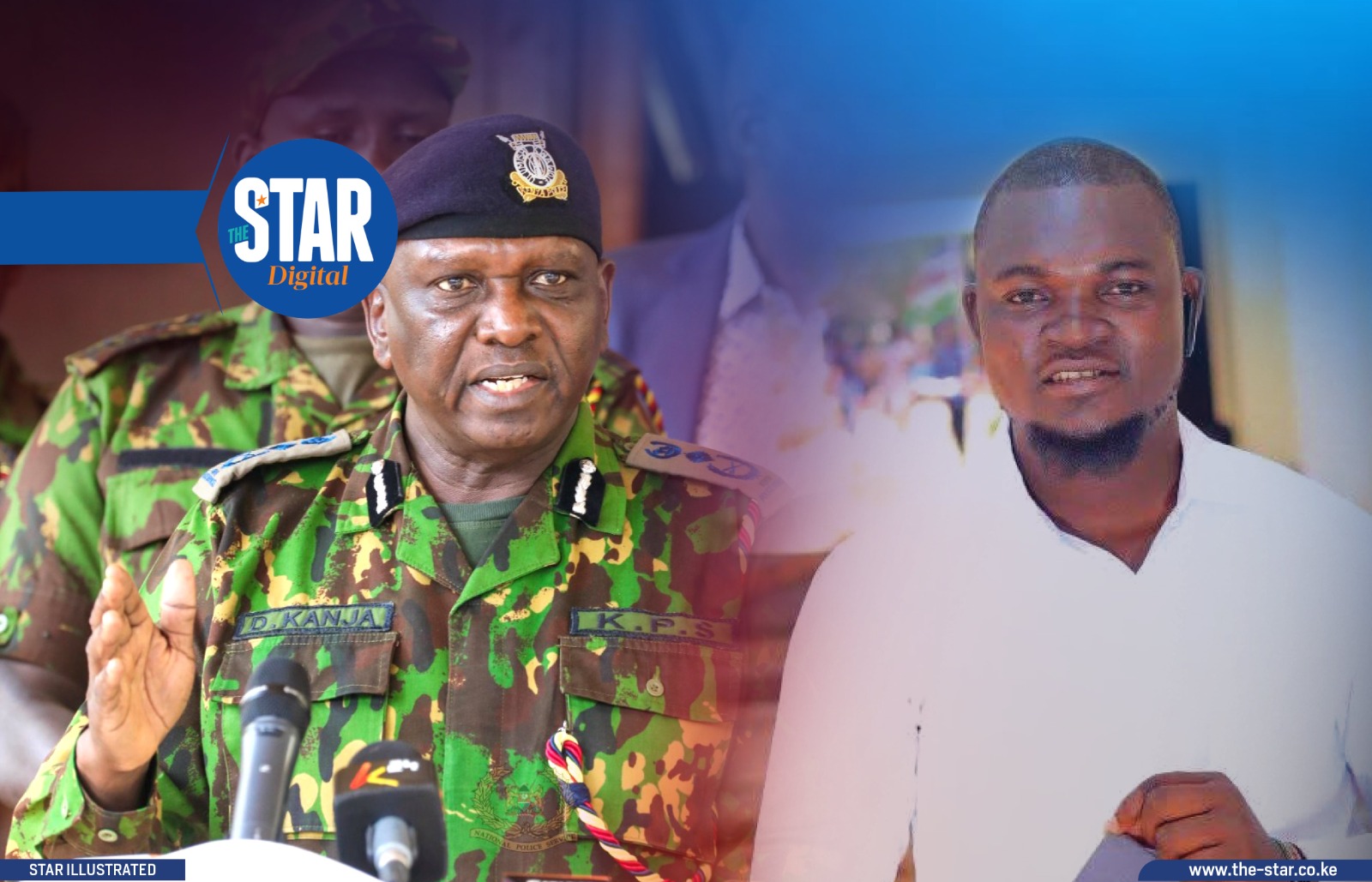
Inspector General Douglas Kanja
explained that Ojwang was found unconscious during a routine inspection at 1:39
am and rushed to Mbagathi Hospital, where he was pronounced dead on arrival.
However, family representatives
dispute this account.
"This young man was alive
and well when the police took him. But by Sunday, the family was being told he
had died during treatment. The truth is, Albert died in custody. His body had
multiple injuries, particularly on the head, and was bleeding from the nose and
mouth," the family lawyer Julius Juma said.
An autopsy was planned on the
body to explain how he died.
Ojwang's final phone
conversation with a friend revealed his anxiety about being in custody. In a
recorded call, he asked:
"Have you ever been
arrested? How is it? I have never experienced this before."
When he
inquired, "Will I be safe?" his friend reassured him based on
previous experience at the Industrial Area police station.
The timelines have become central to the investigation,
with officers from the Independent Policing Oversight Authority (IPOA) present
at the station for a second consecutive day.
A
preliminary review of the station's security setup reveals eight surveillance
cameras positioned across six key locations within Central Police Station.
Four are mounted at the main entrance—two facing
outward and two inward—while two others monitor the reporting area adjacent to
the holding cells.
These cameras are now considered critical to
reconstructing what transpired between the time Ojwang was booked and when he
was found dead.
The team
suspects he was not booked immediately and may have been taken out where he was
battered.
Police
had initially claimed Ojwang had injured himself in the cells.
Investigators have recovered several pieces of
evidence from the holding cell where Ojwang was detained.
Among them are a pair of blood-stained white
Crocs, a black top with visible blood marks, a wet maroon sweater, a water
bottle, a transparent plastic cup, a jug, and a tumbler.
Sources indicate that the cell had bloodstains
on both the walls and floor, with water also smeared across the floor.
Kanja, flanked by his two deputies—Gilbert Masengeli
and Eliud Lagat—as well as the Deputy Director of Criminal Investigations John
Onyango and the IPOA chairperson, Isaak Hassan, visited the scene of the crime.
Kanja
emphasised the seriousness of the case, saying:
Meanwhile, the digital footprint of individuals
connected to the case is also drawing attention.
A social
media account on platform X, believed to belong to Kevin Moinde—a suspect
previously held at Kamukunji Police Station—has been deactivated, raising
further questions.
Police say the deceased had requested to be
isolated as he was unwell and was asthmatic.
This
informs why he was alone in the cell where he was found dead.
Following mounting pressure, IG
Kanja interdicted the Central Police Station commander, duty officer, cell
sentry, and all officers on duty to allow impartial investigation by the
Independent Policing Oversight Authority (IPOA).
"This is standard protocol
to ensure impartial investigations. IPOA is leading the process. If anyone is
found culpable, they will face the law," Kanja stated.





![[PHOTOS] Calm prevails in Kisumu, Homa Bay](https://cdn.radioafrica.digital/image/2026/06/dff8923b-c99a-4f40-a4be-cc996653e4e0.jpg)