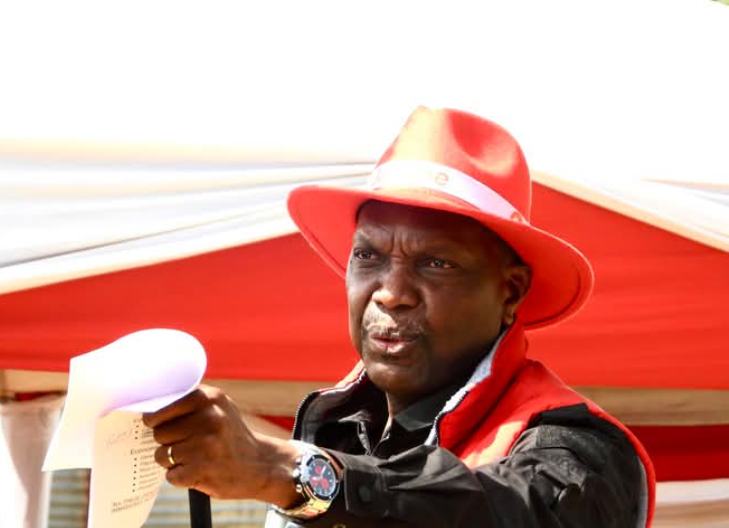
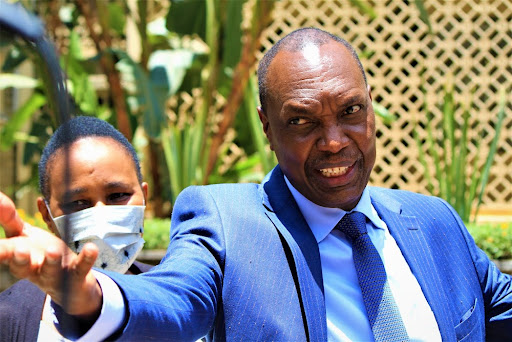
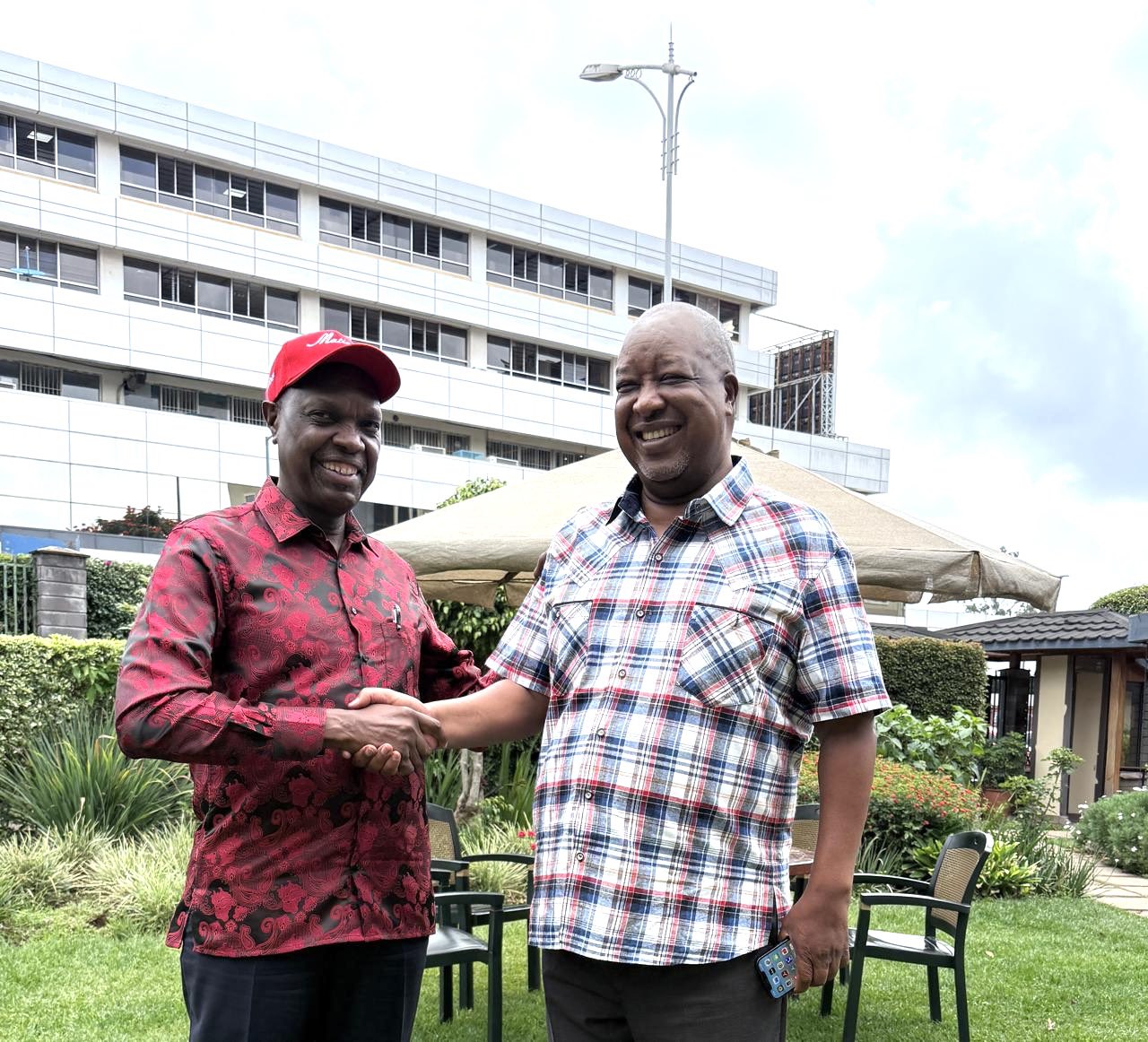
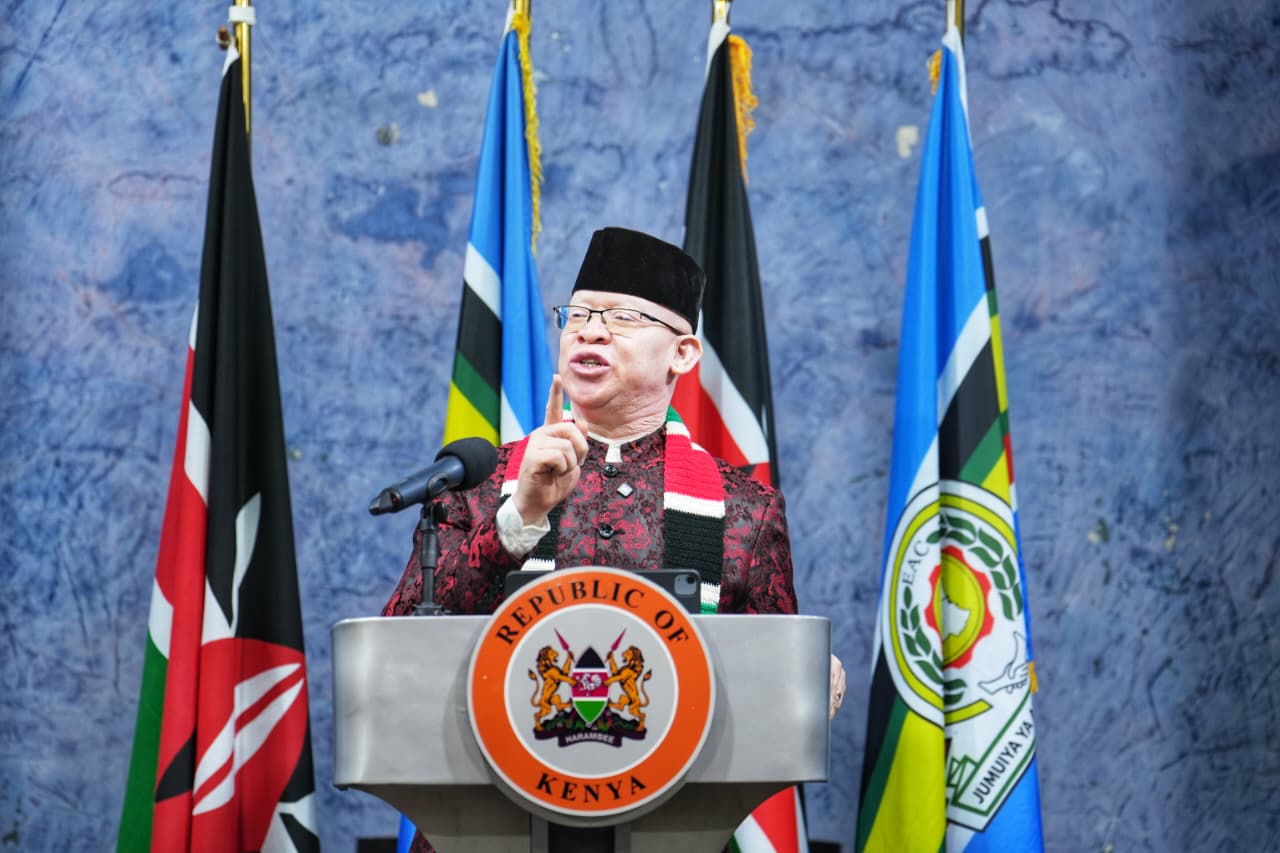
In a tell-all interview with The Star, Kioni said the region
would be willing to forgo the two top positions in favour of Fred Matiang’i’s
presidential candidacy.
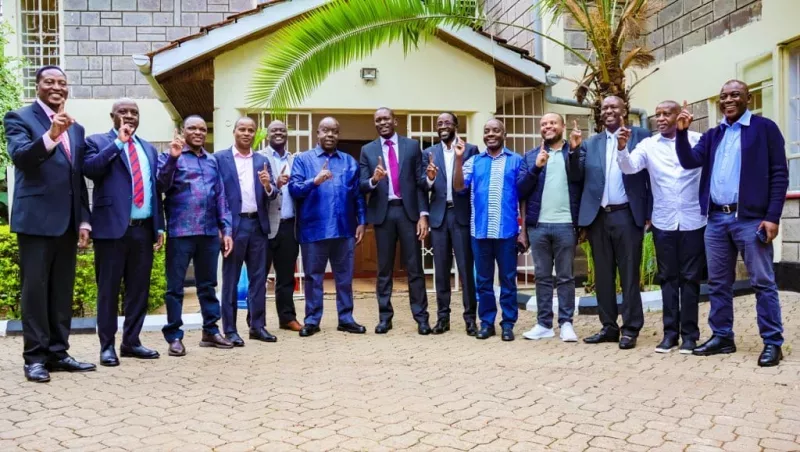
Speaking a day after Matiang’i made his first appearance
during a meeting of opposition leaders on April 29, Kioni said the region was
ready to sacrifice its ambitions in 2027.
“I want to declare that I am not seeking any seat myself. As
a region, we don’t want the presidency, and even the deputy president position
should go to another community,” Kioni said.
“You can’t run the country with a regional outlook—you need
a party with representation from across the country,” he added.
In what was seen as a swipe at efforts to field the
opposition candidate under Rigathi Gachagua’s expected political outfit, Kioni
remarked:
“We can’t sponsor a presidential candidate on a completely new
outfit with no known culture or ideals.”
Addressing his absence from the April 29 meeting of
opposition leaders, despite his vocal support for Matiang’i, Kioni said he did not
want to appear “overbearing.”
“I didn’t want to be overbearing to the leaders with my
presence. Some are uncomfortable with the fact that I’ve openly declared my
support for Matiang’i. They also fear Jubilee as a formidable national party,”
he said.
On April 30, Kioni reiterated that for the opposition to
successfully unseat President William Ruto in 2027, its flagbearer must run under
a national political party.
“It would be suicidal for Matiang’i to run on a regional
political party. We’ve learned from Kibaki and Uhuru that national parties
provide a national outlook,” he said.
His remarks have laid bare the deep-seated tensions and
behind-the-scenes intrigues within the opposition as it works toward unity and
selects its 2027 flagbearer.
Kioni argued that when President Mwai Kibaki sought election
in 2002, he rode on the giant Narc coalition, and in 2007, he ran under the PNU
alliance to project a national image.
For Uhuru, Kioni said he opted for the Jubilee Party when he
sought his second term in 2017.
Kioni’s comments could stir tension, especially given that
former Deputy President Rigathi Gachagua—one of the opposition's leading
figures—is also eyeing the presidency.
Although the law currently bars Gachagua from running due to
his removal from office by impeachment, he has appealed the Senate’s decision
at the High Court, seeking to overturn the resolution.
“Our laws say that if you have not exhausted all legal mechanisms,
you are free to vie for any office. Rigathi Gachagua’s case hasn’t even
started. It will go to the High Court, then to the Court of Appeal, and if need
be, the Supreme Court. Before it is concluded, Gachagua will run for the
presidency—and he will win with many votes,” he said on April 27.
He is among a group of leaders working to build a united
opposition, including Wiper boss Kalonzo Musyoka, Matiang’i, Martha Karua (PLP),
and Eugene Wamalwa (DAP-K).
Gachagua added that if he is not picked as the flagbearer,
he would fully support the candidate chosen by the alliance.
“I am vying for the presidency, so are Martha Karua, Kalonzo
Musyoka, Fred Matiang’i, and Eugene Wamalwa. We will continue to seek support,
and in the end, we shall talk and agree to back one candidate. Even if it’s not
me, I will support whoever we agree on,” he said during an interview with Weru
TV.
Gachagua is expected to formally launch his political party
on May 29—an outfit he intends to use to galvanise and consolidate support in
the Mt Kenya region.
The formation of the new party could trigger sibling rivalry
with the Jubilee Party, especially in Mt Kenya, and may further complicate
efforts to consolidate the region ahead of the 2027 elections.