A
lobby group has launched an inquiry into circumstances under which the
Salaries and Remuneration Commission granted MPs extra perks in mileage
allowance.
In
a move to promote accountability, Katiba Institute has formally
requested the SRC and the Parliamentary Service Commission (PSC) to
disclose the information.
The
lobby wants detailed information on the employment terms, salaries and
benefits of Senators and members of the National Assembly.
The
request, made under Article 35 of the constitution and the Access to
Information Act, seeks to shed light on how legislators’ pay is
determined and whether it aligns with legal and economic realities.
In
the letters, dated March 30, 2025, the group asked the SRC to provide
evidence of comparative labour market surveys used to set parliamentary
salaries, as required by law.
KI also wants to know whether the SRC has recommended any changes to MPs’ pay since 2011.
Additionally,
the institute seeks to be informed on whether lawmakers are classified
as full-time or part-time employees and has demanded documents outlining
the criteria for setting sitting allowances.
Allowances remain a contentious issue given past allegations of MPs getting excessive amounts for minimal legislative work.
From
the Parliamentary Service Commission, KI seeks copies of employment
contracts for MPs and Senators, including their salary structures,
allowances and retirement benefits.
The
request includes having records of any reviews or adjustments made to
these terms since 2011 availed, raising questions about whether such
changes were justified or are merely self-serving.
Of particular interest is whether the PSC considers legislators full-time employees, given the nature of their work.
Shocking
details recently emerged of how MPs arm-twisted SRC to grant all of
them mileage allowances, including those who cover short distances.
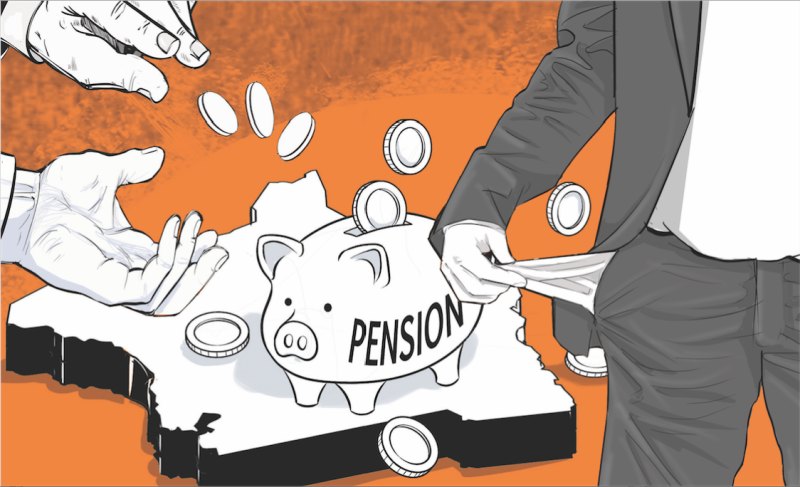
The commission granted the 416 MPs a fixed mileage of Sh366,011 per month, translating to about Sh2 billion per year.
This
would be besides a car maintenance allowance of Sh356,500 per month.
Other monetary benefits include a committee sitting allowance.
The new mileage allowance was paid from April 1, coming at a time MPs’ pay is considered to surpass that of the President.
Mileage allowance for many MPs can double the lawmakers gross salary (of Sh725,500), especially those from far-flung areas.
As taxpayers shoulder the burden of maintaining MPs, the high cost has triggered frustration among members of the public.
Kenya faces huge economic challenges, including rising public debt and austerity measures affecting ordinary citizens.
Despite
the woes, MPs have repeatedly approved hefty perks for themselves as
teachers, doctors and other civil servants fight for fair wages.
Audit
reports have flagged that some earn millions in allowances on top of
their salaries, with others processing fake claims from which they rake
in large sums.
Legal experts argue that KI’s request is not only justified but necessary for enforcing constitutional principles.
Article 35 of the constitution guarantees citizens the right to access information held by the state.
The Access to Information Act provides the legal framework for such disclosures.
KI
could escalate the matter to the Commission on Administrative Justice
or even the courts, should the SRC and PSC fail to respond.
Civil society groups have welcomed the move, noting that secrecy around MPs’ pay fuels distrust in government.
“Taxpayers have a right to know how their money is being used,” said Chris Owala, an activist checkmating public spending.
“If MPs have nothing to hide, they should have no problem releasing these documents.”