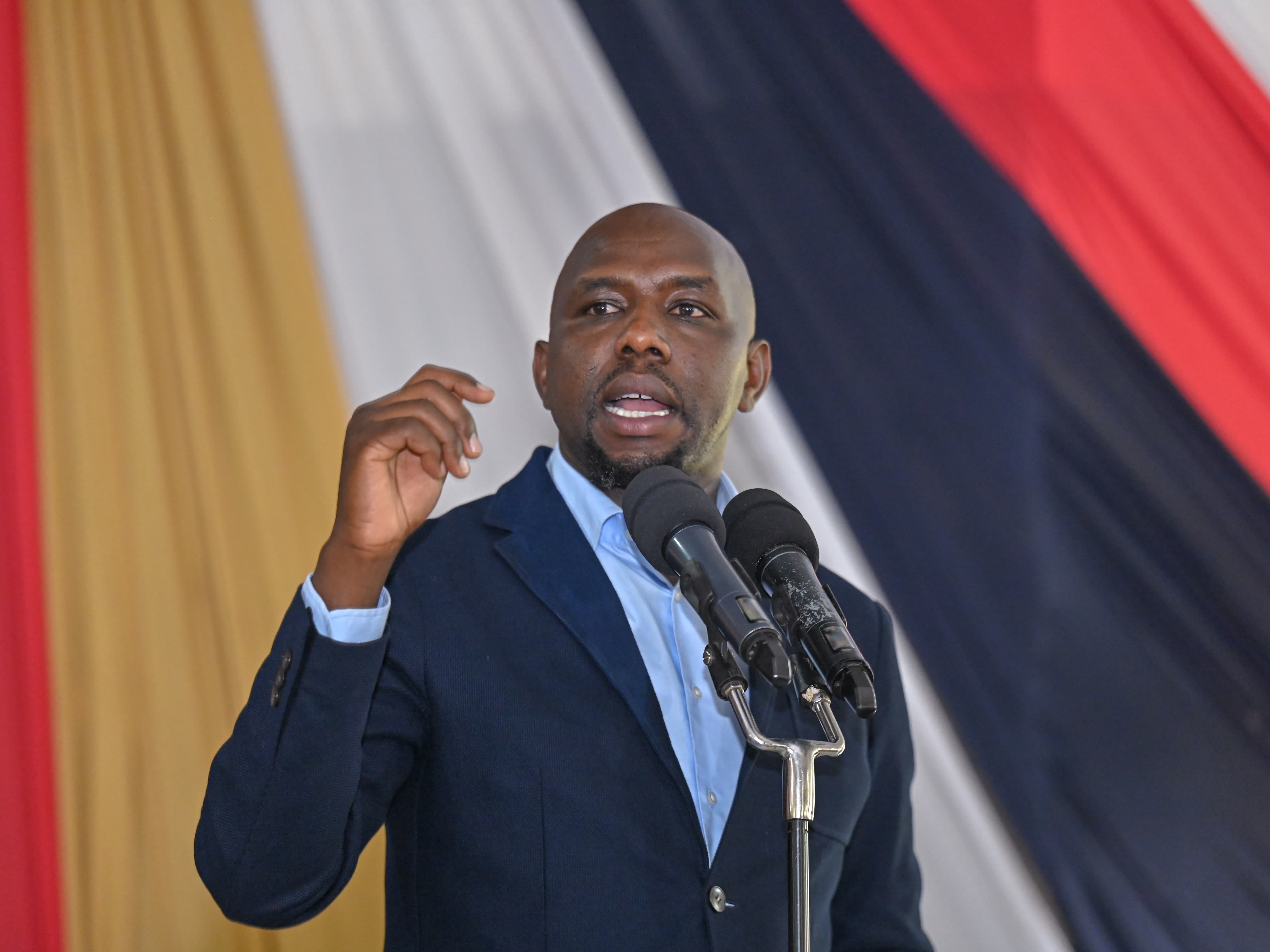
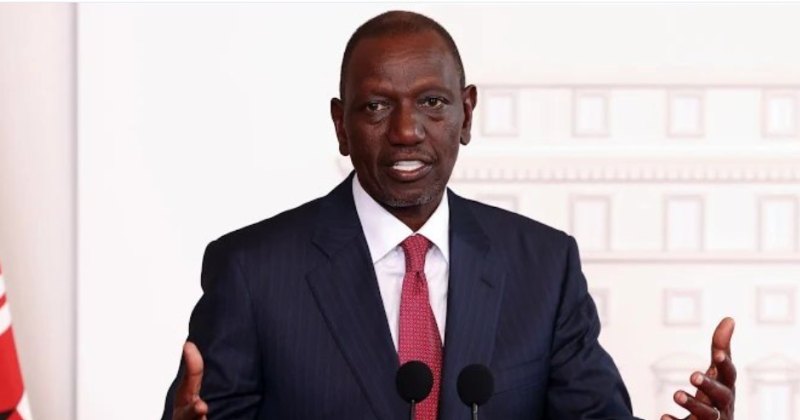
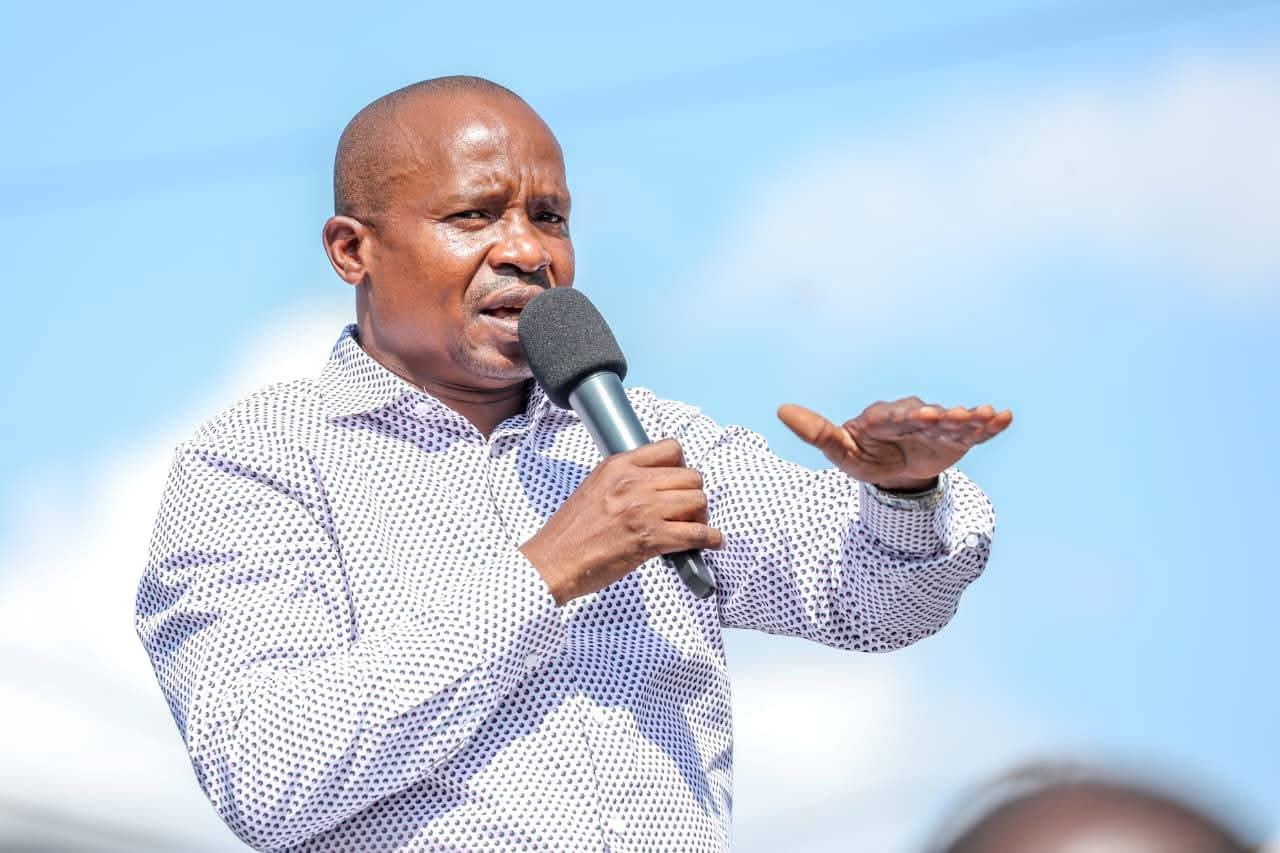
 DWU members celebrate outside the union headquarters in Mombasa.
The Employment and Labour Relations Court in Mombasa has nullified the Dock Workers Union elections held on April 4, declaring the exercise unlawful and ordering fresh polls within 60 days.
In a judgment delivered by Justice Ocharo Kebira, the court found the elections were conducted in violation of the union's constitution, democratic principles and the Labour Relations Act.
The elections had sparked a bitter leadership battle within one of Kenya's most influential labour unions, with one faction seeking to replace long-serving general secretary Simon Sang and his allies. Sang's supporters challenged the process in court, arguing the elections were unlawful.
The ruling arose from a petition filed by union members Matano Shakombo and Abdala Ali, alongside a separate claim by Justine Muranja Angore, who questioned the legality of the elections and the subsequent registration of officials by the Registrar of Trade Unions.
Justice Kebira ruled that there was no valid National Executive Committee (NEC) resolution authorising the advancement of the elections from June 25, 2026, to April 4, 2026, as claimed by the respondents.
“The court is left with a single option, namely to conclude that no NEC meeting was held at which a resolution was passed to move the date of elections from June 25, 2026 to April 4, 2026,” the judge stated.
The court found credible evidence that a key NEC meeting allegedly held on March 11, 2026, never took place.
Several union officials, including national chairman Juma Mwasera and union secretary Winfer Nyaboke, testified that the meeting had been aborted and that minutes later produced to justify the election date were fabricated.
Nyaboke told the court she declined requests to prepare minutes and attendance records for a meeting that never occurred. WhatsApp messages presented in court supported her claims.
Justice Kebira criticised the manner in which the elections were organised, saying the process lacked transparency, accountability and compliance with the union's constitution.
The court noted the DWU constitution requires elections to be organised through an election board and conducted during a properly convened conference after adequate notice has been issued to members. Evidence showed the April 4 exercise failed to meet those requirements.
The judge also questioned the legitimacy of the alleged Special Conference held at Mbaraki Hall, noting there was no proof the required quorum had been attained or that eligible members had been notified.
The court observed the union has traditionally conducted elections within Kenya Ports Authority premises using multiple polling stations to accommodate its more than 5,700 members.
The shift to Mbaraki Hall, which can accommodate fewer than 1,000 people, was found to be inadequately explained and potentially prejudicial to member participation.
Justice Kebira further faulted the Registrar of Trade Unions for registering the new officials despite receiving numerous objections from union members challenging the validity of the elections.
The court held the registrar failed to conduct a proper inquiry as required under Section 35 of the Labour Relations Act and instead relied on assurances from the union leadership, whose conduct was under challenge.
Consequently, the court nullified the registration of all officials elected through the disputed process and directed that fresh elections be held within 60 days under the supervision of the election board that was in office before the contested polls.
The court also ordered the Registrar of Trade Unions to cancel the registration of the disputed officials and awarded costs against the registrar and Owuor.
Last week, a section of DWU members gathered outside the union headquarters in Mombasa to celebrate the ruling.
Assistant chairperson Gunda Kaneno welcomed the decision, saying members were ready for fresh elections.
"We are very happy with the court decision and also our members for being patient for the past two months as we challenged the alleged election of April. I want to inform members that elections will now be held in accordance with our constitution within the 60 days as directed by the court," he said.
DWU chairperson Mohammed Juma Mwasera urged members to remain united and continue focusing on workers' interests.
"We want to assure members that we will work for them. We will follow up on the CBA agreement with the KPA management and also ensure that we have the new election within the 60 days," he said.
INSTANT ANALYSIS
The ruling is a significant victory for internal democracy within trade unions and sends a strong warning against attempts to manipulate electoral processes. By nullifying the Dock Workers Union elections, the court reaffirmed that leadership legitimacy must be grounded in transparent, constitutional and verifiable elections. The judgment also places greater responsibility on the Registrar of Trade Unions to thoroughly investigate objections before registering officials. Beyond the immediate leadership dispute, the decision could influence how unions across the country conduct elections, reinforcing the principle that procedural compliance and member participation are central to democratic governance within labour organisations.