Kenya’s political landscape
has long been shaped by a
consequential truth: save
for the Kenyatta dynasty,
every President since Independence
first served as Vice President or Deputy President.
This pattern underscores the
weight of the office, often a springboard to the highest authority.
The
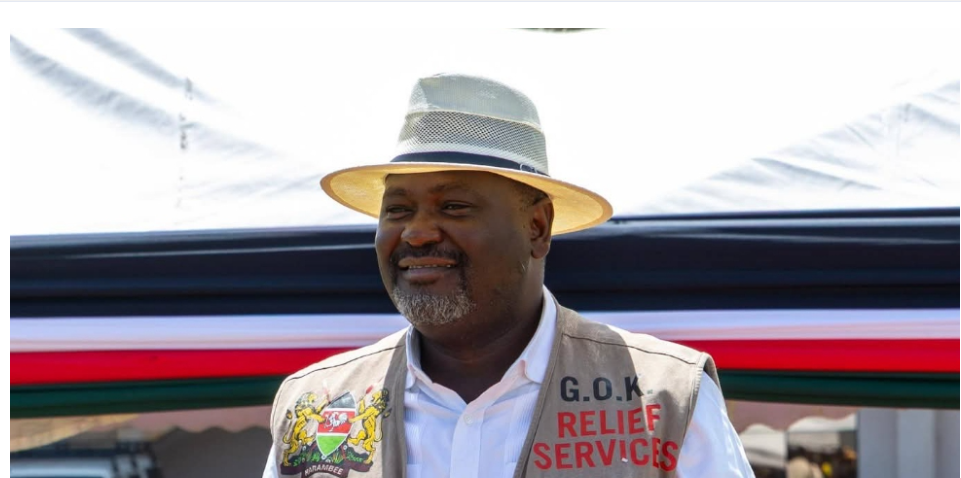
November 1 swearing-in of Professor Kithure Kindiki as Kenya’s
third Deputy President, following
the impeachment of Rigathi Gachagua, invites a rigorous examination
of leadership, unity and the values
demanded of those who hold this
pivotal role.
Historically, Kenya’s Deputy Presidents have straddled the delicate
line between loyalty and ambition.
From Daniel arap Moi’s ascent after
Jomo Kenyatta’s death to William
Ruto’s rise from Deputy President
to President, the office has proven
transformative.
Yet its occupants are rarely scrutinised with the rigour their potential presidency demands.
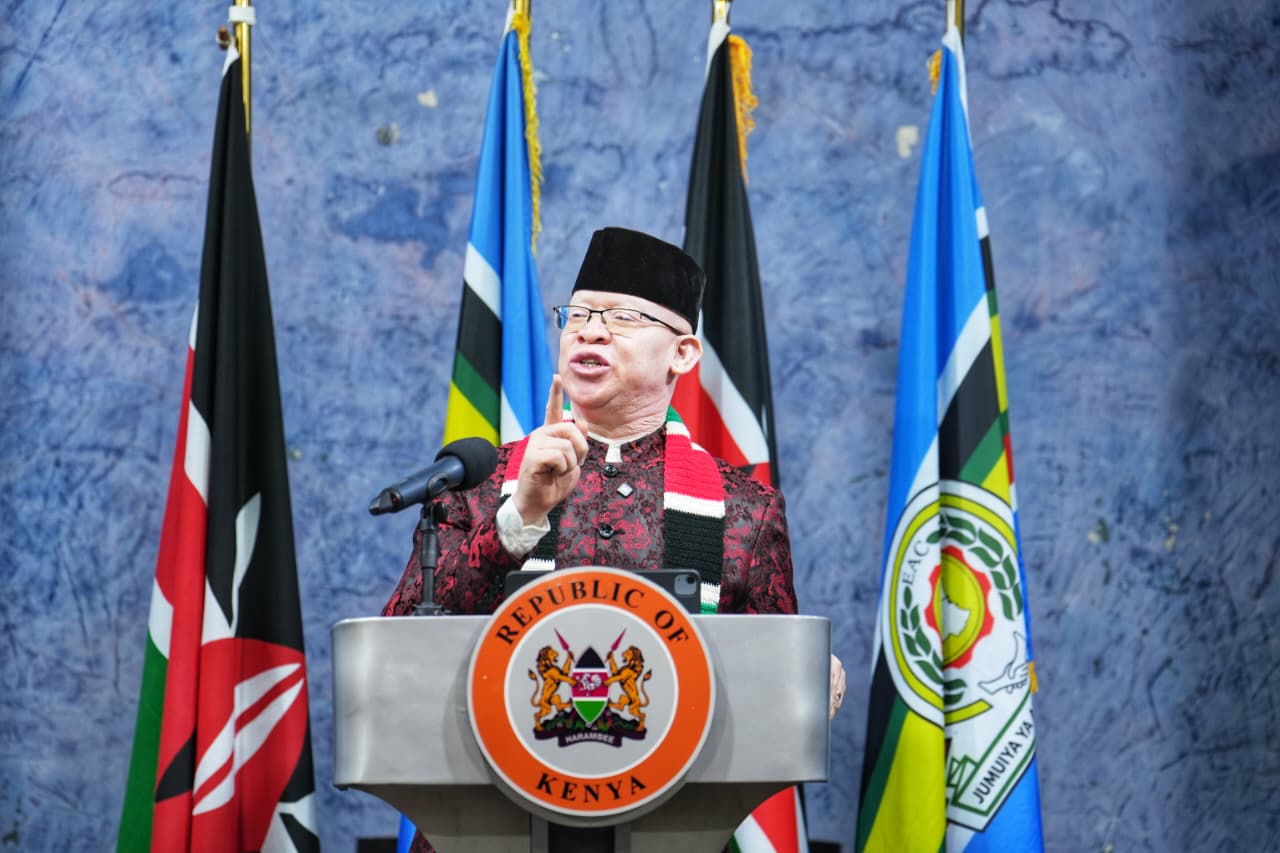
Gachagua’s tenure, marred by allegations
of ethnic favoritism and inflammatory rhetoric, exposed the dangers
of complacency in vetting deputy
leaders.
His impeachment, while contentious, reaffirmed a biblical principle:
“When the righteous thrive, the people rejoice; when the wicked rule,
the people groan” (Proverbs 29:2).
Gachagua’s leadership was defined by combative politics.
A populist figure, he often framed
governance as a zero-sum game, pitting regions and communities
against one another. His tenure
amplifi ed divisions, particularly in
the aftermath of a fiercely contested
election, undermining the deputy
president’s constitutional role as a
unifying fi gure.
Questions remain as to his
self-control and sense of responsibility after he launched a scathing
public attack against the National
Intelligence Service, a critical security organ, despite having better fora
for admonition such as the National
Security Council, of which he was a
member.
Contrast this with Prof Kindiki,
a legal scholar and former Senator
renowned for his measured rhetoric
and institutional fidelity.
Kindiki’s academic background
suggests a preference for evidence-based policymaking, while
his legislative record, including
bipartisan efforts to strengthen
devolution, hints at a conciliatory
approach.
However, intellectual prowess
alone does not guarantee transformative leadership.
Kindiki must
transcend the elitist perception often associated with academia and
connect with Kenya’s grassroots.
A Deputy President must balance
the humility to listen with the courage to lead. the DP’s office demands more
than administrative competence; it
requires moral authority.
In a nation fractured by ethnic politics, the
holder must embody what Romans
13:1 describes as a “minister of God
for good”.
Gachagua’s divisive tactics eroded this sacred trust, reducing the office
to a partisan weapon.
Kindiki, conversely, has so far shown a drive to
restore its dignity.
His early speeches emphasising
“service beyond tribe” echo the
unity-minded leadership of South
Africa’s Thabo Mbeki, whose deputy
presidency under Nelson Mandela
laid the groundwork for reconciliation.
Yet global history offers cautionary tales. America’s Spiro Agnew,
Richard Nixon’s vice president,
resigned in disgrace amid bribery
charges, tarnishing an already embattled administration.
Conversely, Germany’s Walter
Scheel used the vice presidency
(1974-1979) to champion European
integration, proving that deputies
can shape national trajectories.
Kindiki must heed these lessons: the
office is a platform for legacy.
The best deputies amplify their
President’s strengths while mitigating their weaknesses.
Al Gore’s environmental advocacy
under Bill Clinton redefi ned the US
Vice Presidency, proving the role’s
potential for policy impact.
Similarly, India’s Sardar Vallabhbhai Patel, as Deputy Prime Minister, unified fractured states into a
republic.
These leaders thrived by
embracing Micah’s triad: justice,
mercy and humility.
Gachagua’s failure lay in prioritising political survival over national
interest.
His tenure saw few landmark
policies, instead fuelling patronage
networks.
Kindiki must continue to
avoid this trap. His success hinges on delivering
tangible reforms that outlast political cycles.
Kenya’s history demands a paradigm shift in how deputies are chosen.
The US system, despite fl aws,
subjects vice-presidential candidates to intense scrutiny — financial audits, legislative records and
public debates.
Political parties must infuse more
rigour into sthe election of running
mates.
With the benefi t of hindsight, we
now know that Kenya Kwanza MPs
got it right when they voted against
Chachagua as their coalition’s running mate.
Our political system, prior to
approving deputies, must institutionalise similar vetting: assessing
integrity, competence and commitment to national unity.
Prof Kindiki’s ascent is a litmus
test for Kenya’s democratic maturity. His academic brilliance and
legislative experience position him
to redefine the deputy presidency.
Yet, as Ecclesiastes 9:10 warns,
“Whatever your hand finds to do,
do it with all your might.”
He must
leverage his mandate to heal, innovate and inspire — transcending the
transactional politics that consumed
his predecessor.
Kindiki’s success will be shaped
not by political cunning, but by
whether he embodies the transformative values Kenya’s youth and
marginalised people desperately
seek.
The nation watches, hopeful yet
wary, as history’s gatekeepers rarely
err twice.
The writer is
the MP for Gem
constituency