The enhanced pay is contained in the Collective Bargain Agreement negotiated between the workers and the government.
The second phase of the agreement was to start on July 1, 2024, but the government maintains it has no money to effect the increase.
The public officers under the Union of Kenya Civil Servants (UKCS) have, however termed the implementation of the Phase II of the CBA non-negotiable.
The move comes at a time teachers, lecturers and matatu operators have issued strike notices starting next week Monday.
Speaking to the Star on the phone, UKCS secretary general Tom Odege said they would paralyse government operations if the state does not honour its part of the bargain.
“We are not renegotiating anything. They either give us money or we withdraw our services,” Odege, who is also Nyatike MP, said.
“It [Phase II of the CBA] is not something you can open to negotiation again, that was concluded. The only thing available is to honour part of the bargain because the first one was paid. They cannot say the second one is not there, it doesn’t make sense.”
UKCS represents workers from all ranks in the civil service and has written to the National Treasury demanding the deal be honoured.
The Salaries and Remuneration Commission and the National Treasury approved the active CBA in August 2023.
The deal had salary review for the civil service amounting to Sh1,691,675,113 for basic salary and Sh322,129,938 for house allowance.
However, SRC has advised deferring the implementation of the benefits, citing inadequate funds occasioned by the withdrawn Finance Bill, 2024.
“SRC, being cognisant of the emerging fiscal constraints and the budget cuts emanating from the withdrawal of the Finance Bill, 2024, requested the National Treasury to confirm the availability of funds for the implementation of the remuneration and benefits for all other public officers for 2024-25 financial year,” the SRC letter to all accounting officers read.
“The National Treasury advised that the salary review for the financial year 2024-25 be deferred to a later date, subject to the availability of funding, occasioned by the loss of revenue emanating from the withdrawal of the Finance Bill, 2024.”
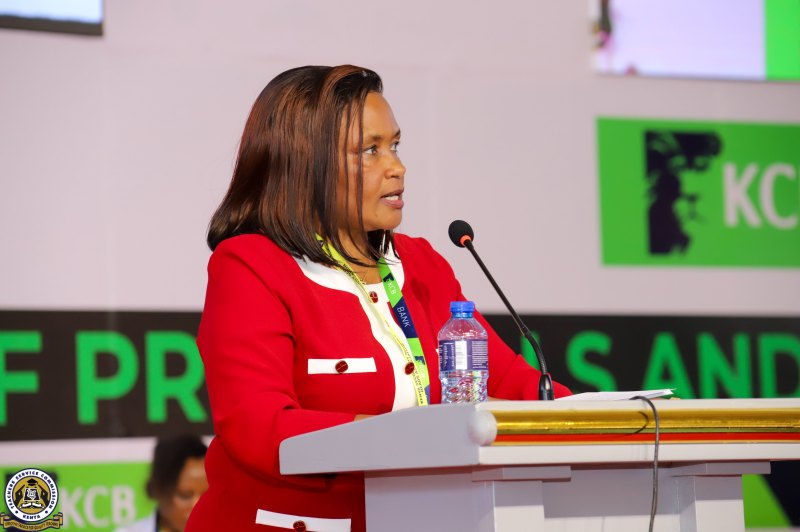
SRC chairperson Lyn Mengich signed the letter dated July 16, 2024.
To avert any industrial action, she advised public service institutions with maturing CBAs to engage respective unions on the new developments.
But according to Odege, by granting teachers their enhanced remunerations, the government cannot purport to defer implementation of civil servants CBA.
“That advice [by SRC] cannot hold because the directive from the President to pay teachers has already thwarted her [Mengich] efforts,” he said.
The government on Thursday released Sh13 billion to fully implement the second phase of the teachers CBA, averting a potential paralysis in schools.
Public schools are scheduled to reopen for third term on Monday next week.
Apart from teachers, the government has also implemented the pay rise for police officers.
The rise, which was a key component of the proposed reforms outlined in the task force report led by retired Chief Justice David Maraga, was effected from July this year.
By press time on Friday, it was not clear if the teachers will call off the strike as some of their demands, including employment of the 46,000 Junior Secondary School intern teachers on permanent and pensionable terms, had not been addressed.
During an interview with Citizen TV on Thursday, Treasury Cabinet Secretary John Mbadi said the government has no money to absorb the intern tutors.
"We don't have resources for recruiting JSS teachers on permanent and pensionable terms, and we do not have the resources for the additional 20,000 JSS teachers that was reduced in the estimates," he said.
The government had planned to employ teachers, who are currently on internship, at a budget of Sh18.3 billion.
Also pending and which can push teachers to the streets is the promotion of 130,000 teachers, some of whom have attained higher academic qualifications.
The situation might worsen following similar threats by matatu operators to paralyse public transport on Monday.
The operators are protesting the recent increase in the fuel levy from Sh18 to Sh25 per litre.
The Universities Academic Staff Union (UASU) had given the government up to August 21 to address their grievances or they resort to a nationwide industrial action.
The threat coming at a time students are joining universities could disrupt learning.
“There will be no learning in universities from September,” UASU secretary general Constantine Wasonga said recently.
Their grievances include salary delays, incomplete payments and new funding model.
Wasonga cited Technical University of Kenya that has reportedly paid a percentage of the staff July salary.