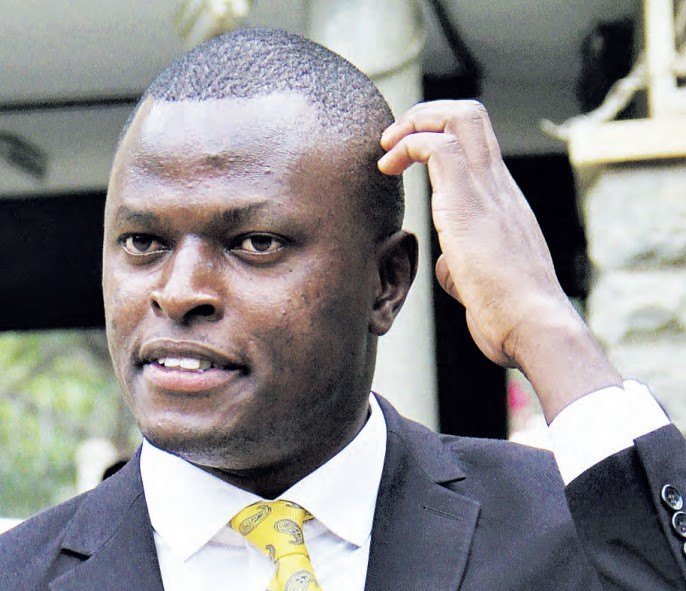
Speaking a day before King Charles concludes his four-day tour of the country, the lawmaker demanded that the British government accept liability and compensate victims and their surviving households.
Singling out the 1950 Kolowa massacre, Kamket said the British police killed more than 400 Pokot morans and other innocent believers of Mafuta Pole.
Kolowa is in East Pokot.
The believers had congregated to worship only to be attacked by the colonial officers.
“The visit by King Charles III and Queen Camilla comes at a time when Kenyans and former British colonies are raising their voices on the need for the British to admit liability for atrocities committed during the dark era of colonialism,” Kamket said.
Although the MP welcomed the King’s acknowledgement of the atrocities during the State House banquet, he said there is need for a visit to the families of the victims.
“A better apology would be meeting the people of East Pokot whose families and friends were massacred indeed as King Charles III stated,” he said.
According to the Tiaty lawmaker, the British government should compensate the victims to the tune of US $35,000 for each life lost.
The MP also wants a further US $7,000 for each household to compensate the households that lost their property in the massacre.
“The time is nigh that we commence a conversation on reparation and compensation for all those families and children who were massacred,” he said.
The lawmaker threatened legal action by next week if their demands are not met by the former colonial power.
“In commemoration and salutation of the Pokot morans who were massacred at Kolowa, we continue to seek justice and reparations and in default of our demands aforementioned,” he said.
“Commensurate legal action shall be taken against the British government. The demand should be complied with within 48 hours of this communiqué.”
King Charles and his wife Camilla are in the country for a four-day visit.
The visit comes amid agitation by some non-state actors like the Kenya Human Rights Commission and victims of colonial repression to have him address the scars of the imperial British rule in the country that ended six decades ago