An analysis of the new allocation shows each of the 47 counties will get between Sh58 million and Sh1.93 billion.
In total, the Commission on Revenue Allocation has allocated all the counties Sh407 billion, up from the current Sh370 billion, an increase of 10 per cent.
However, the counties reject that and want 425 billion, Sh55 billion more.
CRA chairperson Jane Kiringai attributed the 10 per cent increment to projected improved revenues.
“The shareable revenue is projected to increase by 17 percent from Sh2.19 trillion in the financial year 2022-23 to Sh2.56 trillion in the financial year 2023-24,” Kiringai said in a report to Parliament.
“The county governments' allocation of Sh407 billion is equivalent to 23.5 percent of the most recent audited and approved accounts for the financial year 2019-20, amounting to Sh 1.73 trillion,” according to the report.
With the improved funding, the devolved units can unlock stalled projects, start new ones and clear pending bills that have hindered effective services delivery.
However, governors have rejected the CRA’s proposal and demanded Sh55 billion increase from the current allocation.
“The council rejects this figure and maintains its position of Sh425 billion, which is an increase of 15 percent of the projected revenue growth in the financial year ending June 30, 2024,” CoG vice chairman Ahmed Abdullahi said during a press conference in Nairobi on Monday.
Comparison of the new allocation with the current indicates that Nairobi will the highest cash increment of Sh1.97 billion with Uasin Gishu getting Sh58 million more in 2023-24 fiscal year.
This means the city county under Governor Johnson Sakaja will get Sh21.22 billion, up from Sh19.24 billion.
With the additional funding of Sh.1.97 billion, the counties can do at least two new hospitals, improve, hire more medical staff, improve roads or hire more contractors to clear garbage on the streets and estates.
Nakuru, Kiambu, Kilifi, Mandera, Kitui and Bungoma are the other counties that will get an additional allocation of more than Sh1 billion if the Senate and the National Assembly agree with CRA.
Nakuru will get Sh1.36 billion more, Kiambu will land Sh1.22 billion extra cash while Mandera will get Sh1.12 billion more.
Kitui and Bungoma will receive Sh1.04 billion and Sh1.08 billion more respectively in the new proposal that is likely to a pose a headache for the government in the wake of underperforming revenues.
Currently, Nakuru, Kiambu, Kilifi, Mandera, Kitui and Bungoma get Sh13.02 billion, Sh11.71 billion, Sh11.71 billion, Sh11.64 billion, Sh11.19 billion, Sh10.39 billion and Sh10.65 billion, respectively.
“Informed by the performance of revenue, the Commission recommends an increment in the allocation to each level of government for the financial year 2023-24,” Kiringai said.
Other counties that will get big cash increments are Machakos (Sh924 million), Meru (Sh957 million, Wajir (Sh910 million), Kisumu (Sh805 million), Kisii (Sh874 million), Kajiado (Sh829 million), Homa Bay (Sh872 million), Narok (Sh844 million) and Migori (Sh807 million).
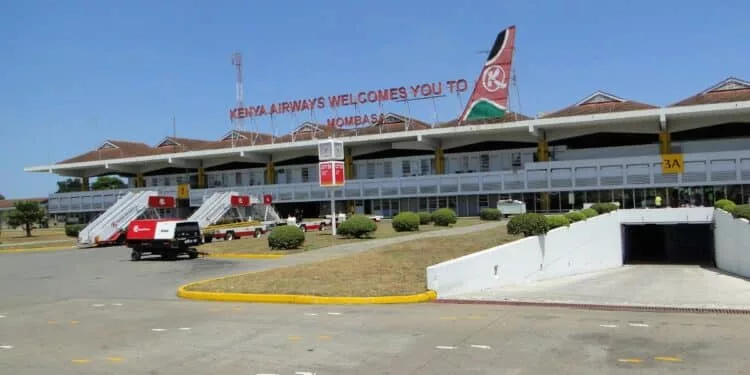
Others are Busia (Sh728 million), Garissa (Sh772 million), Kwale (Sh765 million), Mombasa (Sh706 million), Murangá (Sh705 million), Nandi (Sh755 million), Makueni (Sh775 million) and Siaya (Sh712 million).
Counties that will get the least addition are Uasin Gishu, which will get Sh58 million more, Lamu will get Sh317 million more, Tharaka Nithi (Sh394 million), Isiolo will get Sh452 million, Elgeyo Marakwet will get additional allocation of Sh468 million.
Others are Taita Taveta (Sh476 million), Laikipia (Sh533 million), Kirinyaga (Sh538 million), Embu (Sh520 million), Nyandarua (Sh565 million).
Marsabit will get Sh680 million more, Nyeri will land Sh616 million extra, West Pokot has been given Sh682 million more cash while Trans Nzoia will get Sh753 million.
The sharing of revenue, the Commission said, is based on the third generation formula that was passed by Parliament two years ago after months of push and pull among the lawmakers.
In the formular, some of 20 percent of the total amount will be shared equally among the 47 counties while the balance will be based on other indexes.
They include Health (17 percent), Agriculture (10 percent), Population (18 percent), Urban Services (five percent), Land Area (eight percent), Rural Access (eight percent) and poverty (14 percent).
“Based on this criterion, Sh158.25 billion is shared using the 2019-20 county allocation index and the balance of Sh248.75 billion is shared using the approved Third Basis for revenue sharing,” Kiringai said in the report.
Section 190 (1)(b) of PFMA, mandates the Commission to submit the determination of each county’s equitable share in the county share of that revenue while making recommendations for the following financial year.
In 2020, the formula split the senators as they engaged in bitter wrangles.
Senators whose counties were set to ‘lose’ funds in the formula mounted a spirited fight to defeat the formula.
But after months of stand-off characterised by arrests, claims of intimidation, bribery, blackmail and a record 10 adjournments, the lawmakers struck a deal.
This after then President Uhuru Kenyatta agreed to give the counties additional Sh53 billion to ensure no county loses funds.
“This formula brings to rest a long protracted, winding, noisy and messy debate in the House that has now come to an abrupt end,” then Bungoma Senator Moses Wetang'ula had said.
In the proposed allocation by CRA, the counties will also get Sh424.6 million for running libraries and Sh8.7 billion as equitable share.
“There are 62 libraries in Kenya spread in 33 counties. Out of the 62 libraries, three, namely, Buru Buru, Milimani and Nakuru, have been retained by the national government for strategic importance,” Kiringai said
The Commission recommends that Sh424.6 million in recurrent expenditure due to 59 libraries be transferred to 33 beneficiary counties in the financial year 2023-24.
Some six counties will also benefit from the proceeds of mining.
There are six counties with mineral operations underway, namely; Kilifi, Kajiado, Nandi, Taita Taveta, Kwale and Kiambu.
Section 183 (5) of the Mining Act 2016 provides that proceeds from mining shall be apportioned as follows: 70 percent to national government, 20 percent to county government and 10 percent to the community where mining operations are carried out.
(Edited by V. Graham)