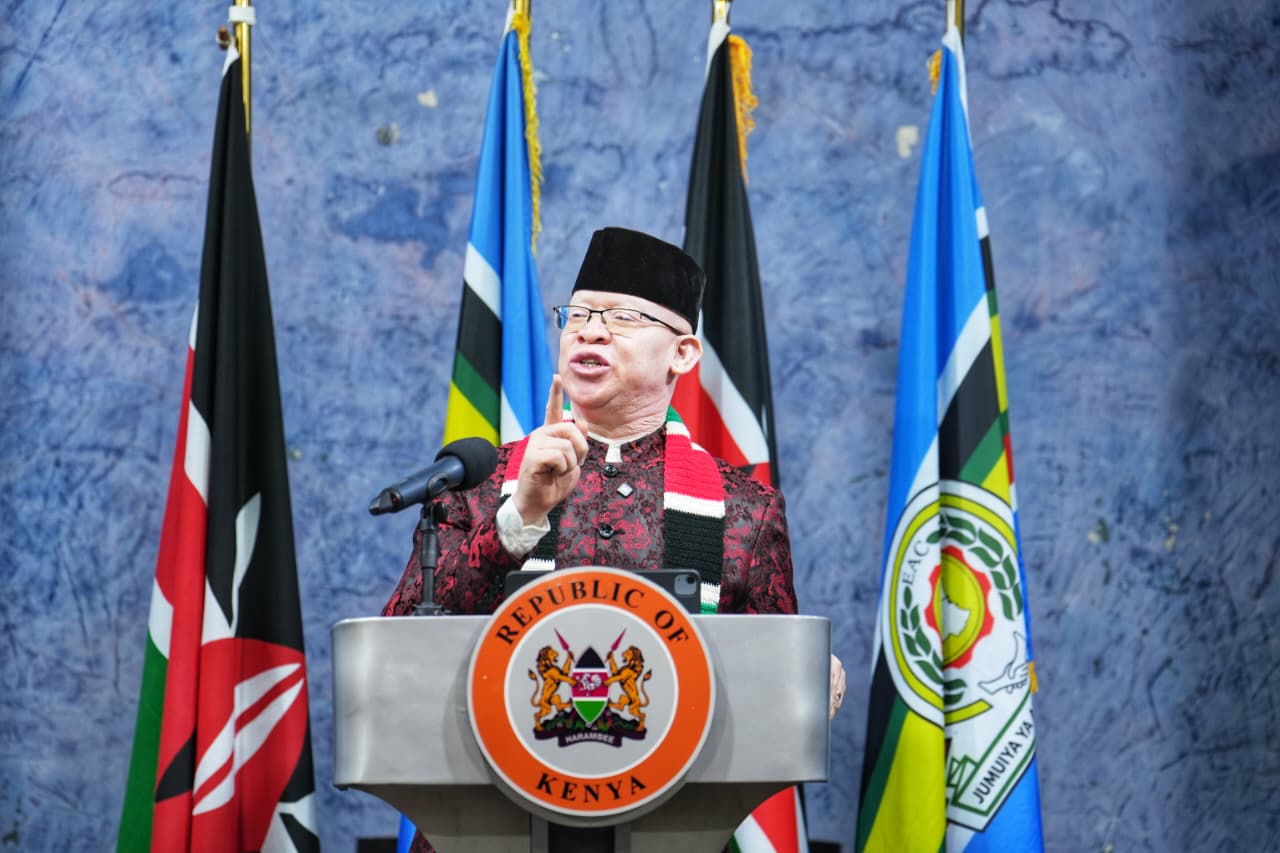
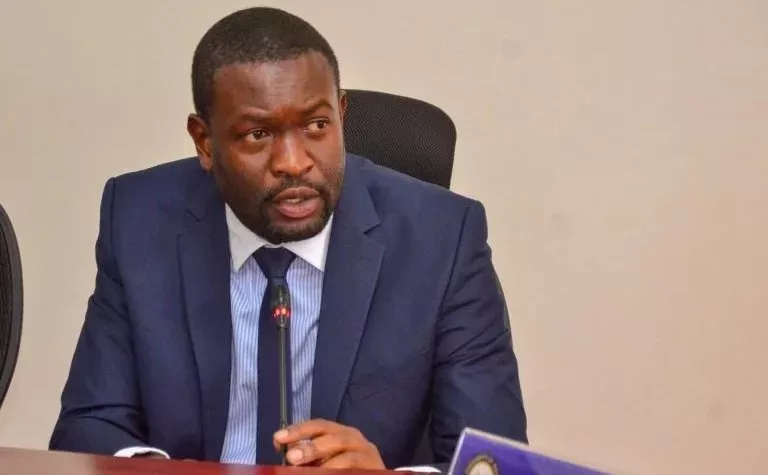
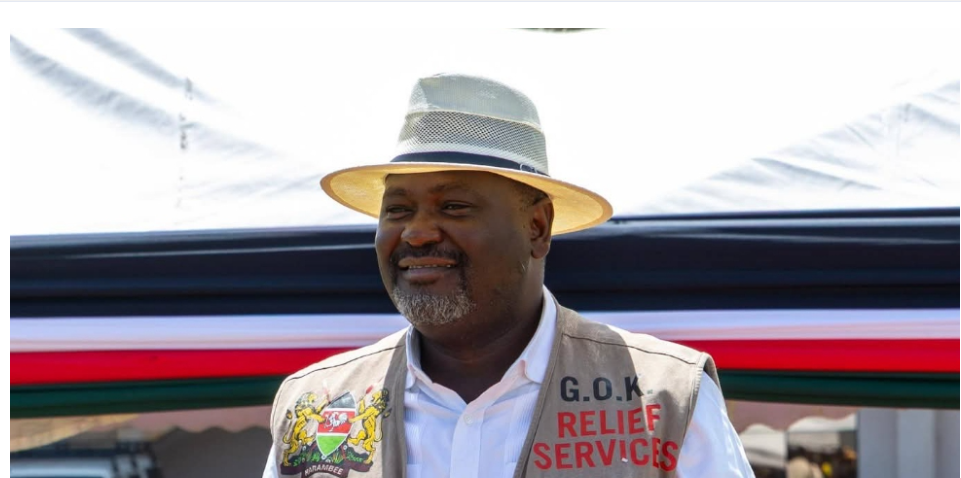
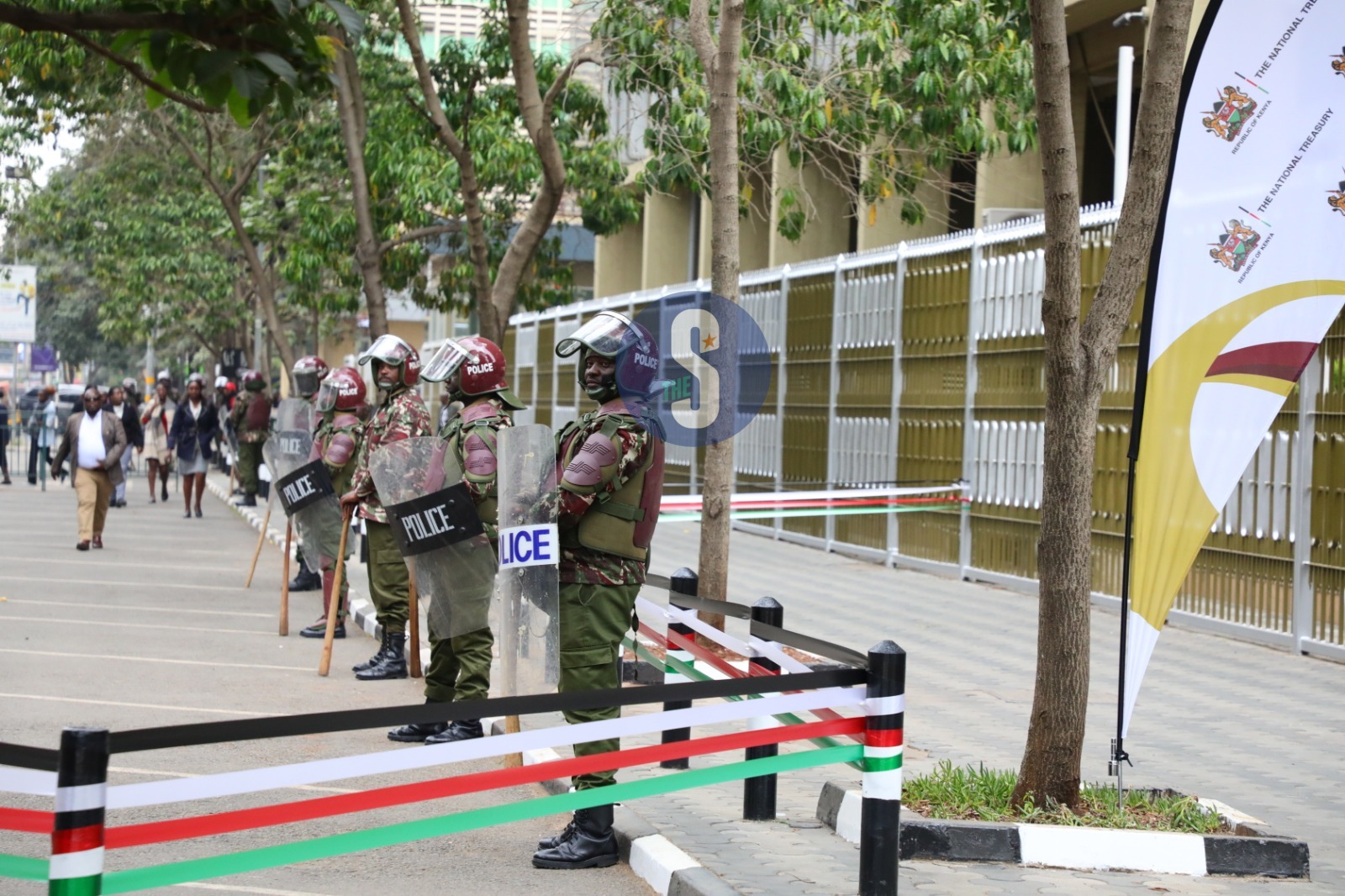
Deputy President Rigathi Gachagua said on Thursday the county chiefs will henceforth be handled ‘decently’ by the anti-corruption officials pursuing them for interrogation.
“We are aware of the harassment and intimidation governors have gone through by state agencies,” the DP said.
Gachagua said they have told DCI officers to retreat to their Kiambu Road headquarters and wait for crimes to be reported there.
Detectives have no business camping and hovering in government offices, and creating toxic environments for governors, he said.
“The level of extortion by detectives pretending to be fighting graft, whereas they were just extorting money from governors and officials, is a thing of the past,” the DP said.
“If there is an issue that needs to be addressed, as it should be. We are not saying that we should not fight graft. But let's be decent people. Let’s have respect for elected leaders.”
Gachagua said the new administration will not allow elected leaders to be harassed, intimidated and demeaned in front of their juniors by security officers and anti-graft detectives.
“Let the head of that particular organisation write a letter to the governor himself and not delegate some junior officers to address a sitting governor because that is not right,” he said.
“Those are things that we are going to do to restore the dignity of our leaders to enable them to perform. Because when you embarrass an elected leader in front of his juniors and you go away, how do you expect him to perform the following day?”
Gachagua said he was a civil servant for many years and in those days, things were working properly.
He said a gazetted officer could only be interrogated by a gazetted officer. "There is no way you can send a corporal or a constable to interrogate a sitting governor.”
He said that soon after they constitute the government, he will hold regional meetings with county commissioners, police commanders, and governors and inform them about the new ‘order of doing things'.
Gachagua was addressing governors and their deputies during a three-day induction workshop at Pride Inn Paradise Hotel in Mombasa.
Besides the induction, the county chiefs will elect the Council of Governors' leadership and unveil CoG’s 2022-27 strategic plan.
Kenya Kwanza will be fronting Kirinyaga Governor Anne Waiguru for the influential CoG chairperson position.
Governors Ahmed Abdi Abdullahi (Wajir) and Joseph ole Lenku (Kajiado) are the frontrunners from the Azimio wing.
President William Ruto is expected to preside over the closing ceremony of the conference on Saturday.
During Gachagua and Ruto's swearing-in at Kasarani Stadium on Tuesday, the DP criticised retired President Uhuru Kenyatta for allegedly using the security apparatus and the criminal justice system to persecute his political opponents.
During Uhuru’s regime, Gachagua was arrested in the wee hours at his rural home in Nyeri and arraigned for graft.
He and Ruto fiercely protested the arrest and arraignment as political persecution.
However, Uhuru’s allies defended the arrests and accused Ruto and his allies of politicising the graft war for political capital.
Uhuru supported Azimio leader Raila Odinga and Martha Karua for the presidency in the August 9 election.
In the past, DCI and EACC officials dramatically arrested governors, other elected leaders and government officials and held them in police cells before being charged in court.
Former Nairobi Governor Mike Sonko and his Kiambu counterpart Ferdinand Waititu were among the county bosses whose arrests were dramatic.
In his address to the governors, Gachagua also said the new administration is committed to ensuring that devolution works.
“Just as he has started with the Judiciary, more things will be coming to support devolution. In the last regime, things did not work because there was a lack of political goodwill,” he said.
The government, Gachagua held, will swiftly address the perennial cash disbursement delays by the National Treasury.
He urged the new county bosses to audit the pending bills they inherited from the previous administration and forward their plans of action to the offices of the Controller of Budget and the Auditor General.
“The issue of delayed disbursement will be addressed. The issue of transfer of services, followed by resources will be dealt with,” he said.
Edited by A.N