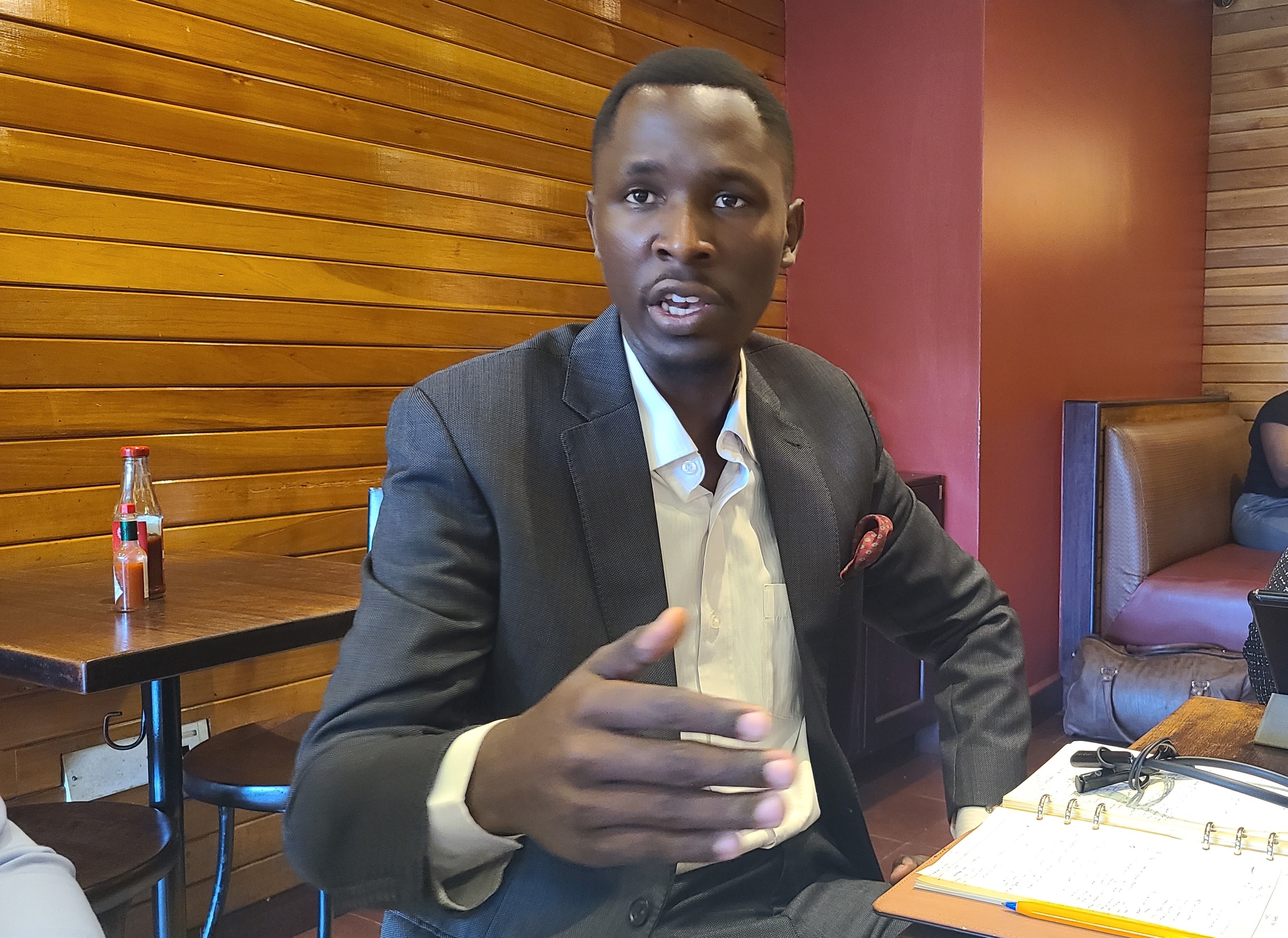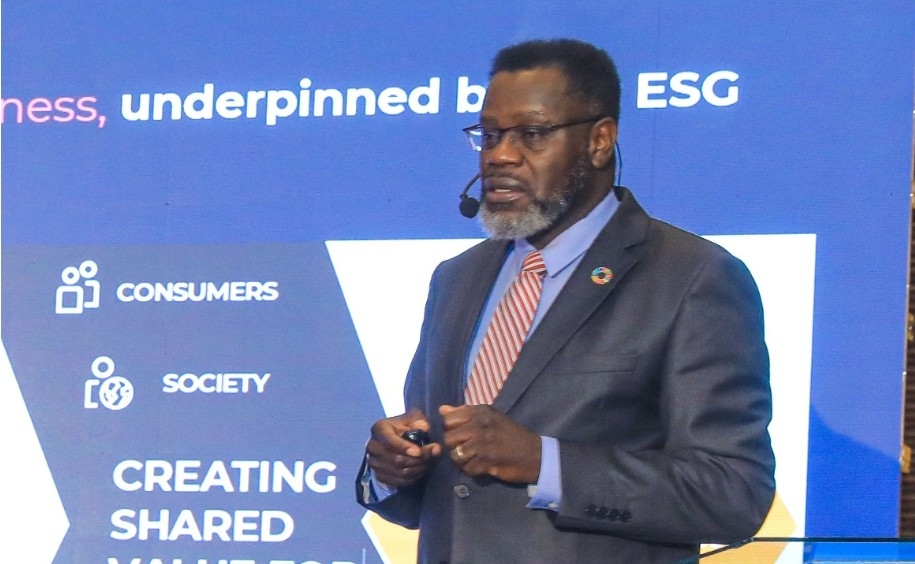


 WHO Country Representative Dr Abdourahmane Diallo, Acting Director General, Kemri, Prof. Elijah Songok, and Health CS Aden Duale, EGH, as they opened the extended Laboratory in Nairobi on Tuesday. Photo/X
Kenya Medical Research Institute (KEMRI) has inaugurated a new laboratory that will significantly reduce the time it takes to sequence viruses, particularly the poliovirus.
Sequencing refers to reading all of an organism’s DNA, and it is useful because it helps public health experts understand diseases, guide treatment, and track outbreaks.
Kemri complained that previously, it took more than 35 days to sequence polioviruses, and this happened in South Africa or the United States.
The laboratory will now reduce that time to less than a week and will also serve neighbouring countries.
Health Cabinet Secretary for Health Aden Duale, called the laboratory “a beacon of hope, a symbol of
resilience and a clear demonstration of Kenya’s determination to safeguard the
health of our people.”
He emphasised that the upgraded facility
will reduce results turnaround times, accelerate outbreak response, and firmly
establish Kenya as a regional leader in polio surveillance and research.
“Until recently, sequencing of polioviruses had to be done in South Africa or at the Centres for Disease Control and Prevention in Atlanta, USA. This meant long delays before results confirmation. Such delays not only hampered surveillance but also slowed our outbreak response,” said CS Duale.
He said that apart from polio, the facility is already sequencing other important pathogens, including MPOX, measles, rubella and enteric viruses.
“This laboratory will serve as the foundation of a broader multi-pathogen genomic platform. It will strengthen our national capacity to detect and respond not only to polioviruses but also to other epidemic and pandemic threats,” said CS Duale.
He said Kenya can now meet World Health Organization International Health Regulations (IHR) standards and lead epidemic preparedness in Africa.
The expanded laboratory serves as Kenya’s National Reference
Laboratory while supporting surveillance efforts in Somalia, Djibouti, Eritrea
and Comoros.
Kemri's acting Director General, Prof Elijah Songok said the World Health Organization (WHO) and the Bill and
Melinda Gates Foundation helped with financial and technical support.
“With the support of the World Health Organization and the
Bill and Melinda Gates Foundation, Kemri has built in-country capacity for
genomic sequencing. Once fully accredited in the coming months, this laboratory
will dramatically reduce turnaround times, enhance efficiency, and cement
Kenya’s leadership in the region,” he noted
Prof Songok further said, “For many years, genomic sequencing of polioviruses required shipment of isolates to South Africa or the United States, leading to costly delays sometimes over 35 days before results were available. These delays limited the speed of surveillance and compromised the outbreak response in the region.”
He said Kemri is working with partners
to ensure the new high-tech facility thrives “beyond today's
inauguration” by mobilising local and international resources, moving laboratory
staff from short-term to long-term contracts, and enhancing training for future
epidemic threats.
Health CS Duale placed the flagship laboratory within the framework of the national Bottom-Up Economic Transformation Agenda (BETA) for Health. “Strong disease surveillance and local diagnostic capacity are critical to Universal Health Coverage because they ensure that Kenyans in every county are protected from outbreaks, and that our responses are fast, efficient and cost-effective,” he said.