Kenya must raise its health budget
if it is serious about reducing the heavy out-of-pocket costs that continue to
drive millions of citizens into poverty, a health financing expert has said.
“One way of making people poor is
through making them pay from their own pocket when seeking health services.
Some diseases are chronic requiring the people to constantly spend in the
hospitals,” said Dr Dynesius Nyangau, a lecturer and researcher at Chuka
University.
He was speaking in Nairobi during a
bioethics conference organised by the Bioethics Society of Kenya, where he
presented a new study titled Ethical Imperatives in Healthcare Financing:
Legal Foundations and Policy Implications in Kenya.
Dr Nyangau noted that Kenya’s health
budget currently stands at 7.5 per cent of the national allocation, far below
the Abuja Declaration commitment of 15 per cent. The shortfall, he said,
exposes Kenyans to high out-of-pocket (OOP) expenses, which now account for 26
per cent of total health expenditure.
According to his study, the burden
is so severe that nearly 1.5 million Kenyans are pushed into poverty each year
because of healthcare costs, posing a direct threat to the government’s
Universal Health Coverage (UHC) plan.
In his report, Dr Nyangau stresses
that the Constitution guarantees every Kenyan the right to the highest
attainable standard of health, delivered in an open, equitable, and transparent
manner. He calls for ethical financial practices in healthcare to ensure fair
funding, especially for marginalised populations.
He identified corruption, weak
oversight, and delays in disbursement as key ethical challenges undermining
service delivery. To address these, he proposes embedding ethical audits in
budgeting and procurement, strengthening anti-corruption measures, enhancing
citizen participation, and developing equity-sensitive financing models.
“Ethics must underpin financing
reforms to achieve Universal Health Coverage by 2030,” he emphasised.
Dr Nyangau also warned that
Public-Private Partnerships raise concerns of fairness and profiteering,
insisting such deals must undergo strict ethical scrutiny.

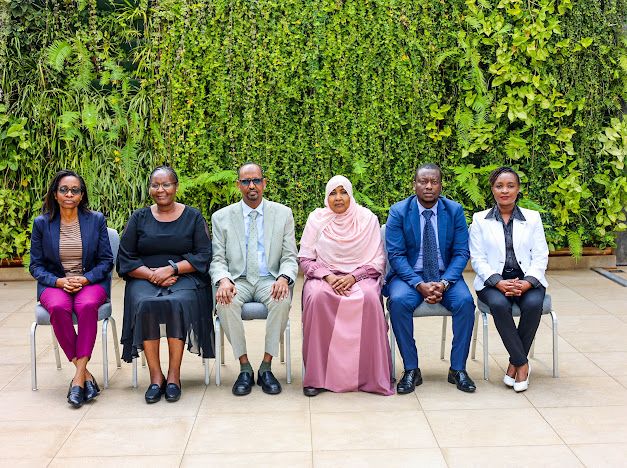
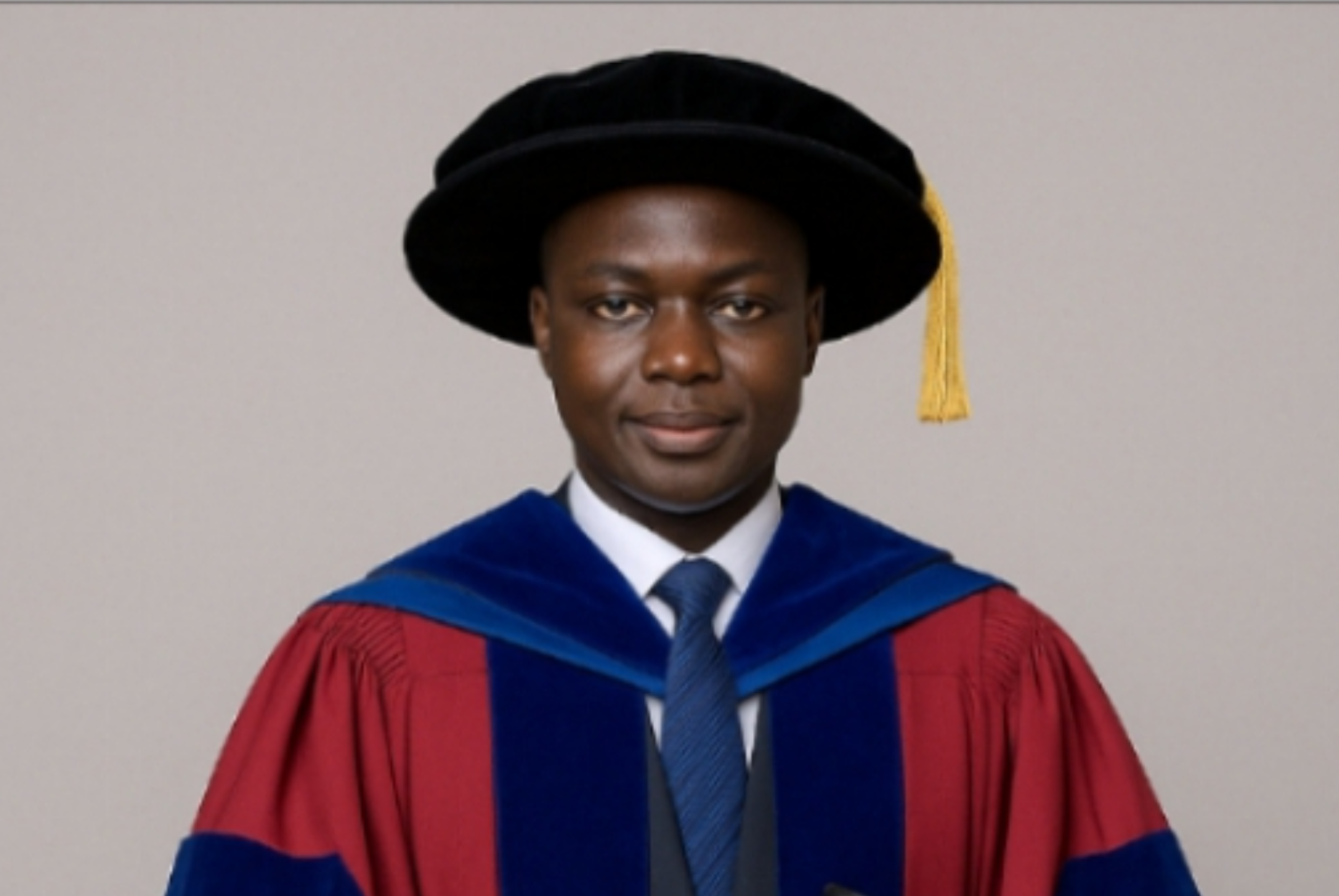 Dr Dynesius Nyangau, lecturer and researcher, Chuka University.





![[PHOTOS] Ol Kalou residents turn out in large numbers to vote](https://cdn.radioafrica.digital/image/2026/07/fe42d51c-7f79-466e-94e8-59561f77bbe7.webp)